Executive Summary
The African market for waterproof joint systems is entering a period of significant structural transformation, driven by a confluence of large-scale infrastructure investment, rapid urbanization, and a heightened focus on climate resilience. This report, based on a 2026 analysis with a forecast horizon extending to 2035, provides a comprehensive examination of the market’s current dynamics and future trajectory. The sector is no longer merely a niche component of construction but a critical enabler for national development goals across the continent, influencing project longevity, operational safety, and total lifecycle costs. Understanding the interplay between regional demand hotspots, evolving material technologies, and complex supply logistics is paramount for stakeholders aiming to capitalize on the opportunities presented in this decade.
Growth is fundamentally underpinned by public and private capital flowing into transport networks, energy generation, and urban real estate. However, the market is characterized by pronounced regional heterogeneity, with North and Southern Africa demonstrating more mature demand patterns compared to the high-growth potential but logistically challenging markets of East and West Africa. The competitive landscape is simultaneously consolidating and fragmenting, with global specialty chemical and building material giants competing against a growing number of regional manufacturers and import distributors. This report delineates these complex forces to offer a clear strategic roadmap.
The outlook to 2035 suggests a market that will increasingly bifurcate between standardized, cost-competitive solutions for high-volume residential projects and high-performance, engineered systems for mega-infrastructure. Success will depend on a nuanced approach to regional regulations, partnership models with local contractors, and supply chain agility. This analysis equips executives, investors, and planners with the data and insights necessary to navigate this complex and promising landscape, identifying not just where growth will occur, but how to capture value within it effectively and sustainably.
Market Overview
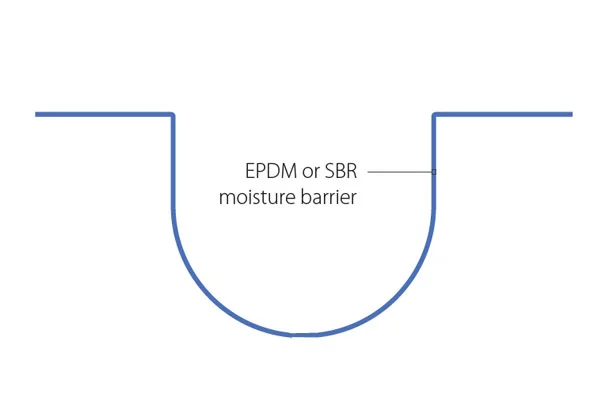
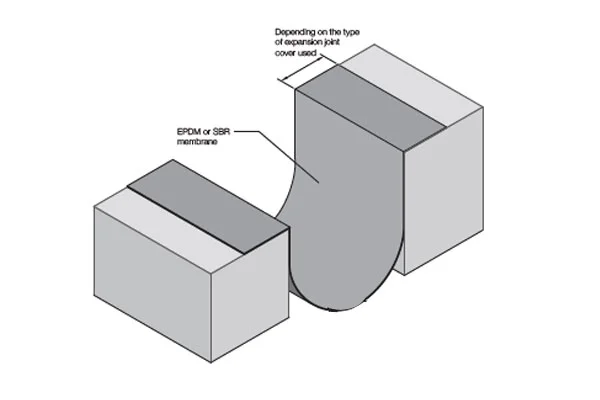
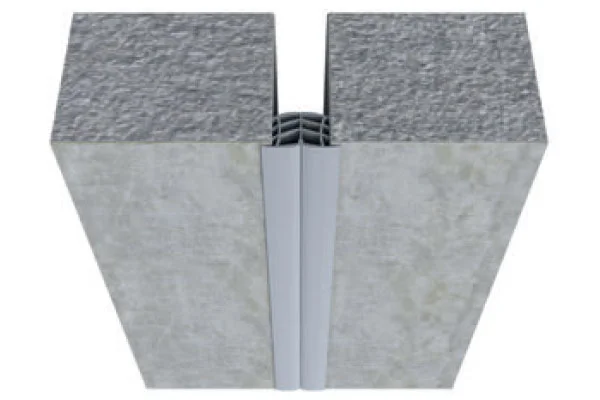
The African waterproof joint systems market encompasses a wide array of products designed to prevent the passage of water and other fluids through joints, seams, and connections in structures and infrastructure. Key product segments include liquid-applied membranes, pre-formed sheet membranes, waterstops (both PVC and hydrophilic), sealants (polysulfide, polyurethane, silicone), and expansion joint systems. The market’s scope extends across the entire construction value chain, from foundational work in civil engineering to finishing touches in building envelopes. The 2026 market assessment reflects a sector in transition, moving from an import-dependent model towards increased regional manufacturing and technological adoption.
Geographically, the market is highly fragmented, with demand concentration closely mirroring regional economic activity and investment flows. North Africa, led by Egypt, Morocco, and Algeria, represents the most established market, driven by government-led housing programs and energy sector investments. Sub-Saharan Africa presents a more varied picture, with South Africa serving as a mature hub with advanced technical specifications, while Nigeria, Kenya, Ghana, and Ethiopia emerge as high-growth frontiers fueled by urban expansion and new transport corridors. The continental market cannot be treated as a monolith; successful strategy requires a country-by-country, and often project-by-project, understanding of specifications and requirements.
The market’s evolution is further defined by a gradual but noticeable shift in specification standards. While cost remains a primary decision factor in many projects, there is growing awareness among consulting engineers and large developers regarding the long-term economic and safety benefits of high-quality waterproofing. This is leading to increased demand for systems backed by international certifications and proven performance data, particularly in flagship commercial developments and critical public infrastructure. This trend is gradually elevating market standards and creating distinct tiers within the product landscape.
Demand Drivers and End-Use
Demand for waterproof joint systems in Africa is propelled by multiple, often interlocking, macroeconomic and sector-specific forces. The primary engine is the continent’s profound infrastructure deficit, which has triggered a wave of investment in transport, energy, and utilities. Concurrently, demographic pressures are accelerating urban development, creating sustained demand in the residential and commercial real estate sectors. A third, increasingly critical driver is the need for climate adaptation, mandating more resilient construction techniques to withstand extreme weather events, which are becoming more frequent and severe across many African regions.
The end-use segmentation reveals the market’s backbone in large-scale civil engineering. The transportation sector—encompassing roads, bridges, tunnels, airports, and railways—constitutes the largest and most technically demanding application. Here, waterproof joint systems are critical for ensuring the structural integrity and longevity of concrete elements subjected to dynamic loads and environmental exposure. The energy and utilities sector follows closely, with significant demand arising from hydropower dams, water treatment plants, reservoirs, and oil & gas infrastructure. In these applications, containment and corrosion protection are paramount, driving demand for specialized, high-durability systems.
The building construction segment, while more fragmented, represents a high-volume market. Key sub-segments include:
- Residential: Driven by mass housing projects and rising middle-class developments, focusing on basements, wet areas (bathrooms, kitchens), and balconies.
- Commercial & Industrial: Including office towers, shopping malls, hotels, and warehouses, where below-grade parking, podium decks, and roof gardens require robust waterproofing.
- Public & Institutional: Schools, hospitals, and government buildings, often subject to public procurement processes and evolving building codes.
A critical cross-cutting trend is the formalization and gradual tightening of building codes and construction standards in several key economies. While enforcement remains uneven, the direction of travel is towards greater stringency, particularly for public projects and large-scale developments. This institutional shift is a powerful latent driver, compelling contractors and developers to prioritize compliant, quality-assured waterproofing solutions over ad-hoc methods, thereby structurally expanding the addressable market for professional-grade joint systems.
Supply and Production
The supply landscape for waterproof joint systems in Africa is characterized by a hybrid model of imports, regional manufacturing, and local assembly. A significant portion of high-specification and specialized products, particularly advanced liquid membranes, high-grade waterstops, and specific sealant chemistries, are imported from global production hubs in Europe, Asia, and the Middle East. These imports are channeled through a network of dedicated distributors and the in-country offices of multinational manufacturers. However, the landscape is shifting towards increased local value addition, driven by cost pressures, import substitution policies, and the need for faster delivery cycles.
Regional manufacturing is gaining ground, particularly for products with less complex formulations or higher bulk-to-value ratios. Cementitious waterproofing coatings, basic bituminous membranes, and PVC waterstops are increasingly produced within Africa. Countries with relatively advanced industrial bases, such as South Africa, Egypt, and Morocco, serve as regional production hubs, supplying not only their domestic markets but also neighboring countries. This local production is often led by subsidiaries of international groups or by large regional construction material companies diversifying their portfolios. The competitive advantage for local manufacturers lies in logistics cost savings, understanding of local application conditions, and flexibility in meeting project-specific demands.
The supply chain’s last mile—the applicators and contractors—remains a critical bottleneck and differentiation point. The performance of any waterproof joint system is intrinsically linked to the quality of its installation. The market suffers from a shortage of skilled, certified applicators, leading to frequent application failures that undermine confidence in the products themselves. Leading suppliers are therefore increasingly competing not just on product quality and price, but on the strength of their technical support, training programs for contractors, and on-site supervision capabilities. This shift from selling products to selling assured performance solutions is a defining feature of the evolving supply-side dynamics.
Trade and Logistics
International trade is a lifeline for the African waterproof joint systems market, facilitating the flow of technology, specialized materials, and competitive pricing. Major import origins include Germany, Italy, and other EU countries for high-performance sealants and membranes; China and Turkey for a wide range of cost-competitive products including sheet membranes and basic waterstops; and Saudi Arabia and the UAE for bituminous-based products and systems suited for similar climatic conditions. The choice of sourcing is dictated by a trade-off between technical specifications, landed cost, and delivery lead times, which vary dramatically across the continent’s diverse port and inland logistics infrastructure.
Logistics costs and complexities represent a significant component of the total landed cost and a major barrier to market uniformity. Landlocked countries face particularly high costs due to multiple border crossings, trans-shipment delays, and varying customs procedures. Port congestion, inadequate warehousing, and poor road conditions further exacerbate supply chain inefficiencies, leading to stockouts, project delays, and increased inventory holding costs for distributors. These challenges favor suppliers who can maintain strategic regional stockpiles or establish local assembly points to buffer against supply chain volatility and provide faster response to project timelines.
The regulatory environment for trade adds another layer of complexity. While regional economic communities like ECOWAS and SADC aim to harmonize standards and reduce tariffs, in practice, importers must navigate a maze of country-specific certifications, testing requirements, and sometimes opaque customs valuation processes. Compliance with local standards (where they exist) or the acceptance of international norms (such as European or ASTM standards) is a key consideration for project approvals. Successful market participants invest in deep regulatory intelligence and often engage with local testing institutes to pre-certify their products, thereby smoothing the path to market entry and project specification.
Price Dynamics
Pricing in the African waterproof joint systems market is influenced by a volatile mix of global commodity inputs, regional competitive intensity, and project-specific procurement models. The cost of raw materials—including polymers (PU, PVC, acrylics), bitumen, and specialty chemicals—is inherently tied to global oil prices and petrochemical supply chains, introducing a layer of macroeconomic volatility. Currency fluctuations against the US Dollar and Euro further amplify this volatility for import-dependent markets, making cost forecasting and price stability a persistent challenge for both suppliers and buyers.
At the regional and project level, pricing strategies diverge significantly. For standardized products in competitive, high-volume segments (e.g., basic cementitious coatings), price competition is fierce, often led by local manufacturers and large importers competing on thin margins. Conversely, for engineered systems specified for complex infrastructure projects (e.g., tunnel waterproofing, reservoir linings), pricing is less sensitive and more value-based. In these scenarios, the cost of the waterproofing system is evaluated against the total project cost and, more importantly, the potential risk and cost of failure, allowing suppliers of proven, high-performance systems to command significant premiums.
Procurement channels also dictate price structures. Large public infrastructure projects typically involve international competitive bidding, which exerts intense downward pressure on prices but may prioritize initial cost over lifecycle value. Private commercial and residential projects offer more varied procurement, with direct negotiations between developers, consultants, and suppliers. Here, factors like brand reputation, technical service offerings, and warranty provisions become integral to the pricing discussion. The trend towards design-build and EPC (Engineering, Procurement, and Construction) contracts further consolidates buying power, placing pressure on suppliers to offer bundled solutions at competitive rates while maintaining margins through efficiency and scale.
Competitive Landscape
The competitive arena is stratified and dynamic, featuring a diverse set of players ranging from multinational conglomerates to regional specialists and local traders. The top tier is occupied by global leaders in construction chemicals and specialty materials, such as Sika, BASF (Master Builders Solutions), Fosroc, and Mapei. These companies compete on the basis of extensive R&D, globally recognized brands, comprehensive product portfolios, and the ability to provide integrated technical solutions for mega-projects. Their strategy often involves establishing local manufacturing or blending plants in key markets to improve cost competitiveness and supply chain reliability, supported by a direct or hybrid sales force targeting consultants and large contractors.
The middle tier consists of strong regional manufacturers and the local subsidiaries of other international players. This group includes companies like Chryso (part of Saint-Gobain) in Francophone Africa, various Turkish and Chinese manufacturers with dedicated regional strategies, and large South African firms like AfriSam (in cementitious products) or specialized local manufacturers. These competitors often succeed by offering a strong price-to-performance ratio, deep understanding of local application practices, and agility in serving medium-sized projects. They may also form strategic alliances with global players for technology transfer or distribution.
The base of the competitive pyramid is vast and fragmented, comprising numerous local importers, distributors, and small-scale manufacturers. This segment is highly price-driven and often focuses on the lower-specification, high-volume segments of the market. While individual companies in this tier may have limited market share, collectively they account for a substantial volume of sales, particularly in price-sensitive residential and small commercial projects. The competitive landscape is further shaped by the following key strategic battlegrounds:
- Technical Specification & Consultant Engagement: Influencing project design and material specifications from the earliest stages.
- Contractor Training & Certification: Building loyalty and ensuring proper application through skilled labor networks.
- Supply Chain Localization: Balancing the cost advantages of local production with the technical breadth of global imports.
- Project Financing & Partnership Models: Collaborating with developers and contractors to structure deals that facilitate project execution.
Methodology and Data Notes
This report on the Africa Waterproof Joint Systems Market employs a rigorous, multi-faceted methodology designed to ensure analytical depth, accuracy, and strategic relevance. The core approach integrates quantitative market sizing with qualitative, insight-driven analysis of industry dynamics. Primary research forms the backbone of the study, consisting of structured interviews and surveys conducted with key industry stakeholders across the value chain. This includes in-depth discussions with executives from leading manufacturers and suppliers, major distributors, prominent engineering and consulting firms, large contracting companies, and project owners across targeted African countries.
Secondary research complements and triangulates primary findings, drawing from a wide array of credible sources. These include analysis of company annual reports, investor presentations, and official corporate announcements; review of regional and national industry publications and trade journals; examination of project databases and tender announcements for major infrastructure and construction developments; and synthesis of relevant economic, demographic, and trade data from international institutions such as the World Bank, African Development Bank, and national statistical offices. This dual-source approach ensures that market estimates are grounded in both bottom-up demand assessment and top-down macroeconomic validation.
The market sizing model itself is built using a combination of supply-side and demand-side analysis. Supply-side analysis tracks production volumes, import/export data, and the capacity expansions of key players. Demand-side analysis builds up estimates from the consumption patterns observed in key end-use sectors (transport, energy, building construction), factoring in project pipelines, investment forecasts, and intensity-of-use metrics. The forecast component, extending to 2035, is developed through the application of econometric modeling techniques that correlate historical market growth with leading indicators such as infrastructure investment GDP, urbanization rates, and construction industry output, while also incorporating scenario-based analysis for key disruptive factors like regulatory changes and material innovation.
It is critical to note the inherent challenges in analyzing a continent as diverse and data-opaque as Africa. Market data can be inconsistent or unavailable for certain countries, and the informal economy plays a non-trivial role in some segments. This report explicitly acknowledges these limitations. Estimates are presented with appropriate ranges and confidence intervals where data uncertainty is higher. The analysis focuses on the formal, addressable market for professional-grade waterproof joint systems, which is the primary domain of interest for investors and strategic players. All findings and projections reflect the market conditions and data available as of the 2026 base year analysis.
Outlook and Implications
The African waterproof joint systems market is poised for a sustained growth trajectory through the forecast period to 2035, albeit with varying speeds and characteristics across sub-regions and product segments. The fundamental drivers of infrastructure development, urbanization, and climate resilience are structurally embedded in the continent’s economic agenda, ensuring a long-term demand pipeline. However, growth will not be linear or uniform. Markets with improving regulatory environments, stable investment climates, and developing local manufacturing ecosystems, such as Morocco, Egypt, Rwanda, and Ghana, are likely to outperform the continental average. Success in this evolving landscape will require participants to move beyond a generic pan-African strategy to a nuanced, cluster-based approach.
Technological and material evolution will be a key shaping force. The market will see increased adoption of polymer-modified and composite systems that offer better performance, easier application, and environmental benefits. Demand for “green” or sustainable waterproofing solutions, driven by the rise of green building certifications (like EDGE or LEED) in major commercial projects, will create a new premium segment. Furthermore, digitalization will begin to influence the market, from BIM (Building Information Modeling) integration for detailing joints in the design phase to smart membranes with sensing capabilities for critical infrastructure monitoring, though this will remain a niche in the near term.
For industry participants, the strategic implications are clear and actionable. Global manufacturers must continue their “glocalization” efforts, combining global technology with local production and tailored commercial teams. They must invest heavily in technical service and contractor education to capture value and ensure brand integrity. Distributors and local partners need to consolidate their positions by offering value-added services like just-in-time delivery, technical sales support, and inventory management for contractors. For investors and new entrants, opportunities lie in filling specific gaps in the supply chain, such as establishing blending plants for liquid membranes in strategic East African hubs or partnering with international firms to bring new technologies to underserved markets.
Ultimately, the Africa waterproof joint systems market of 2035 will be larger, more sophisticated, and more competitive than it is today. The winners will be those who recognize that they are not just selling a construction product but providing a critical insurance policy for the continent’s built environment. Companies that build robust in-country partnerships, demonstrate unwavering commitment to quality and application excellence, and flexibly navigate the complex interplay of logistics, regulation, and financing will be best positioned to secure a profitable and enduring stake in Africa’s construction renaissance. This report provides the foundational intelligence required to make those strategic decisions with confidence.