

Sealing Techniques
Basement sealing uses targeted methods to stop water intrusion and protect the foundation. Understanding these options helps homeowners pick the best solution for their property.
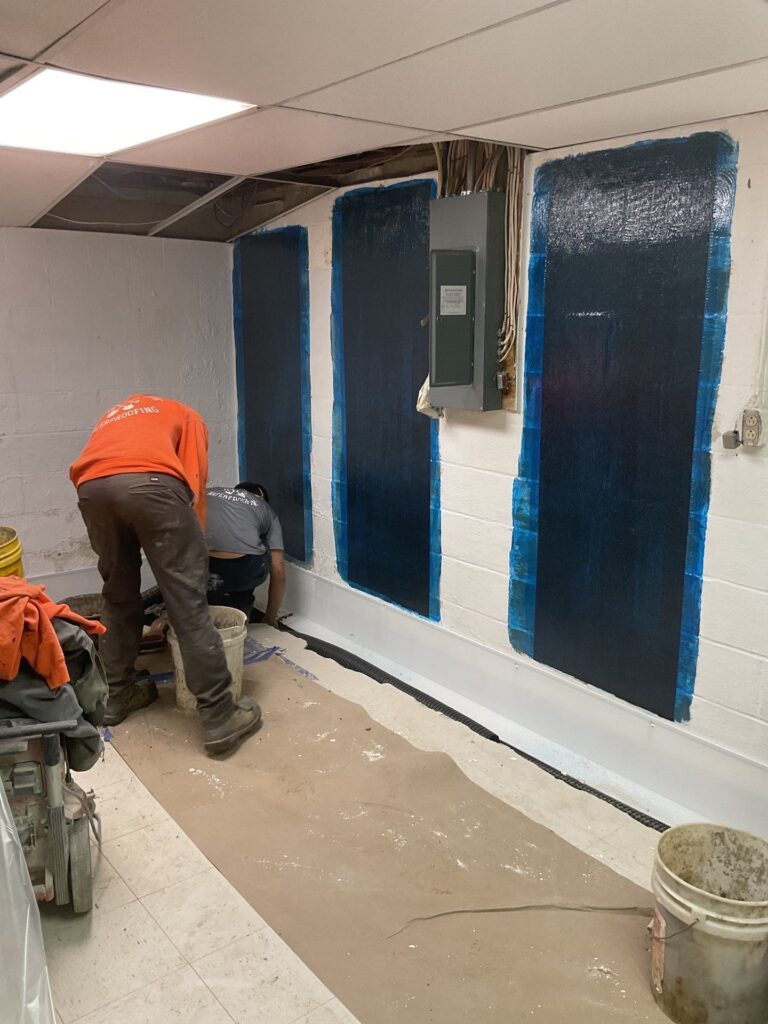
- Interior Drainage Systems: Systems collect water that seeps into the basement and direct it to a sump pump, preventing flooding.
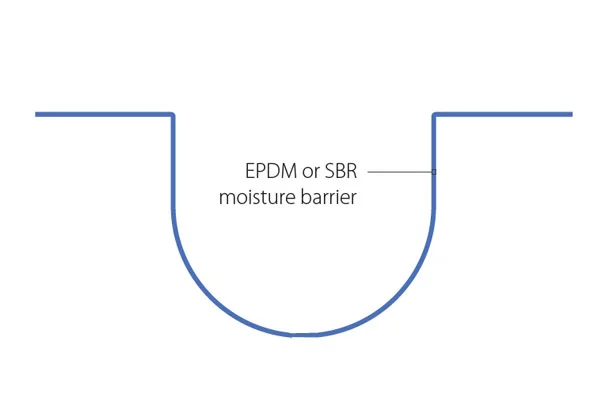
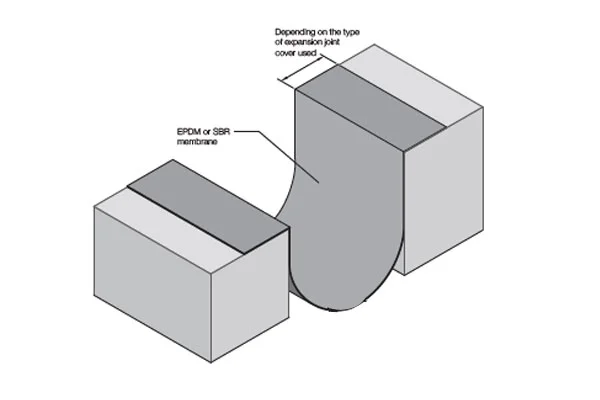
- Exterior Membrane & Excavation: This method applies a waterproof membrane to the exterior foundation walls and requires excavation to access them.
- Sump Pumps with Battery Backup: Sump pumps remove accumulated water, and a battery backup keeps them working during power outages.
- Crawl Space Encapsulation: Sealing the crawl space prevents moisture entry, improves air quality, and reduces mold risk.
Cost Insights
Costs for basement waterproofing vary. Knowing the main cost drivers helps homeowners budget and compare proposals effectively.
- Factors Influencing Costs: Job complexity, materials, and the area needing treatment all affect price.
- Typical Cost Ranges: Basic interior drainage and crack sealing are lower cost. Mid-range work often includes sump pump installation or crawl space encapsulation. High-end work may involve extensive exterior excavation or foundation replacement.
- Free Inspections: Many companies, including Ohio State Waterproofing, offer free inspections to assess condition and recommend tailored solutions without a financial commitment.
| Waterproofing Method | Average Cost | Description |
|---|---|---|
| Interior Drainage | $1,500 – $3,000 | Collects and removes water from the basement. |
| Exterior Membrane | $4,000 – $10,000 | Waterproofs the foundation from the outside. |
| Sump Pump Installation | $800 – $2,500 | Removes water from the basement, preventing flooding. |
The table lists average costs for common waterproofing methods to help homeowners plan a budget and compare options.
Expert Guidance
Choosing the right contractor for basement sealing is essential for quality work and long-term protection. Consider the following tips when evaluating providers:
- Choosing a Contractor: Hire licensed, insured professionals with proven experience in basement waterproofing. Check reviews and request references to confirm reliability.
- Comparative Quotes: Obtain multiple quotes to compare scope, materials, and price; this clarifies market rates and the best value.
- Long-Term Value: Focus on long-term performance. Lower upfront costs can result in higher repair expenses if the work is not done correctly.
Selecting a qualified contractor helps ensure durable results and protects your investment. Use inspections and documented estimates to compare options.
Ohio State Waterproofing offers free inspections and service appointments to review basement conditions and explain available solutions. This consultation builds trust and helps clients decide with confidence.
What Are the Most Effective Basement Sealing Methods in Cleveland?
Several sealing methods work well to prevent water intrusion and protect foundations. For more detailed information on basement waterproofing options, consult professionals who can assess your home’s specific needs.
How Do Interior and Exterior Sealing Techniques Compare?
Interior methods like drainage systems are often more cost-effective and faster to install. Exterior solutions target the water source and provide broader long-term protection. Compare benefits, costs, and site conditions to choose the right approach.
Which Sealant Materials Provide Long-Term Protection?
Common sealants include silicone, hydraulic cement, and liquid rubber. These products resist moisture and offer durable protection when applied correctly.
How Can Homeowners Identify Signs of Basement Water Damage?
Early recognition of water damage reduces repair costs. Common indicators include:
- Musty Odors: A persistent damp smell often signals mold or moisture problems.
- Visible Cracks: Cracks in walls or floors can indicate structural stress and water entry.
- Damp Spots: Moist patches on walls or floors are clear signs of infiltration.
What Are Common Indicators of Foundation Cracks and Moisture Issues?
Foundation issues can appear in many ways. Watch for these signs and act quickly.
- Damp Spots on Walls: Moisture on walls may point to ongoing water intrusion and potential mold.
- Visible Mold Growth: Mold thrives in damp conditions and poses health risks.
- Cracks in Walls or Floors: These may indicate settling or shifting and often require professional evaluation.
How Does Early Detection Prevent Mold and Structural Damage?
Detecting water problems early prevents mold and structural deterioration. Regular basement checks and prompt repairs can save significant repair costs and maintain a safe living environment.
What Foundation Repair Services Complement Basement Sealing in Ohio?
Alongside sealing, several foundation repairs enhance stability. To explore basement sealing options, consult a trusted provider.
- Carbon Fiber Reinforcement: Strengthens walls that are bowing or cracking.
- Epoxy Injection: Fills foundation cracks to prevent water intrusion.
- Wall Anchors: Provide additional support for walls bowed by soil pressure.
Which Repair Options Address Foundation Cracks Effectively?
Effective repairs stabilize bowing walls and restore structural integrity. A professional assessment will determine the best method for your situation.
How Do Free Inspections Support Reliable Foundation Maintenance?
Free inspections offer tailored recommendations and peace of mind. Early identification of issues enables timely repairs and helps preserve foundation longevity.
How Does Basement Sealing Prevent Mold and Improve Indoor Air Quality?
Sealing basements controls moisture levels and directly improves indoor air quality. Preventing water intrusion reduces the risk of mold growth, improving the home’s health and comfort. For more information on basement waterproofing, seek expert advice tailored to your home.
What Are Practical Mold Prevention Tips for Cleveland Basements?
To reduce mold risk in basements, homeowners should:
- Conduct Regular Inspections: Check for moisture signs and address issues promptly.
- Maintain Gutters and Downspouts: Keep them clear so water is directed away from the foundation.
- Use Dehumidifiers: Control humidity to lower mold likelihood.
How Does Sealing Reduce Health Risks Associated with Mold?
Proper sealing reduces mold exposure, which can cause respiratory issues and other health concerns. Maintaining a dry basement helps improve indoor air quality and protects household health.
Research in the Cleveland area highlights serious health risks from mold exposure, especially for vulnerable people.
Cleveland Mold Remediation & Water Damage Health Risks
Stachybotrys chartarum is an indoor mold that has been associated with pulmonary hemorrhage cases in the Cleveland, Ohio, area. The study applied two new quantitative measurements to air samples from a home in which an infant developed pulmonary hemorrhage. The remediation program removed all contaminated wallboard, paneling, and carpeting in the water-damaged areas of the home. Although spore counts and toxicity were high during remediation, air samples taken postremediation showed no detectable levels of S. chartarum or related toxicity.
Evaluation of Stachybotrys chartarum in the house of an infant with pulmonary hemorrhage: Quantitative assessment before, during, and after remediation, 2000