 Skip to content

 You’ve just noticed a mysterious water stain on your ceiling or maybe you’ve discovered mold growing along your basement walls. You’re likely dealing with water intrusion, an issue that can lead to a myriad of household problems if not addressed promptly. Wouldn’t you want to know how to spot potential signs early, or better yet, prevent these issues from occurring in the first place? Let’s explore some fundamental aspects of water intrusion, which can help you safeguard your home and maintain its structural integrity.
Key Takeaways
- Water intrusion involves unwanted water entry into homes, often through cracks or joints, causing dampness, mold, and structural damage.
- Common causes include roof leaks, foundation cracks, drainage issues, and plumbing failures, often marked by mold, high humidity, and water stains.
- Health risks from mold, structural damage, long-term deterioration, pest infestations, and insurance implications are some impacts of water intrusion.
- Preventive measures include effective drainage systems, waterproof barriers, regular maintenance, landscaping solutions, and weatherproofing methods.
- When water intrusion becomes overwhelming, it’s crucial to hire qualified experts with certifications, good references, and clear communication skills.
Understanding Water Intrusion Basics
Water intrusion, quite simply, is an unwelcome guest in any home. It’s an intrusion that doesn’t discriminate, affecting both old and new houses alike. To fully grasp what it entails, you need to understand two essential elements: water sources and moisture levels.
Water sources are the primary cause of water intrusion. Rain, groundwater, and even indoor sources like leaks are common culprits. They can seep into your home through cracks, joints, or porous materials, causing havoc in the form of dampness, mould, or structural damage.
Moisture levels, on the other hand, are a good indicator of water intrusion. High moisture levels in your home can signify a water intrusion problem that’s already underway. They can exist in your walls, ceilings, or floors, hidden from your sight until the damage is too severe to overlook.
Understanding these two concepts is your first step towards tackling water intrusion. So, be vigilant, keep an eye out for any signs, and don’t let this unwelcome guest settle in your house. That’s how you stay one step ahead of water intrusion.
Common Causes of Water Intrusion
While you may think that your home is a fortress against the elements, even the smallest vulnerabilities can lead to water intrusion. It’s not just weather events that can cause this. There are several common causes you should be aware of, ranging from roof leaks and foundation cracks to drainage issues and plumbing failures.
Let’s break down some of these causes:
| Cause | Description | Prevention |
|---|---|---|
| Roof Leaks | Water can seep through holes and cracks in your roof. | Regularly check for damage and repair promptly. |
| Foundation Cracks | Water can infiltrate through cracks in your home’s foundation. | Seal and repair cracks right away. |
| Drainage Issues | Improperly routed or blocked drains can lead to water buildup. | Guarantee proper drainage and clear blockages swiftly. |
| Plumbing Failures | Leaky pipes can cause hidden water intrusion. | Regular maintenance and timely repairs are vital. |
Other factors like soil erosion, landscaping problems, and gutter blockages can also contribute to water intrusion. It’s important to monitor these areas and maintain regular upkeep to prevent damage. Remember, prevention is always better than cure when it comes to water intrusion.
Identifying Signs of Water Intrusion
Awareness is your first line of defense when it comes to identifying signs of water intrusion. If you’re vigilant, you’ll notice the subtle, yet telltale indicators hinting at a potential problem.
One of the most common signs is mold growth. Mold thrives in damp environments, so if you spot it, it’s a red flag that water’s getting in somewhere it shouldn’t.
Foundation issues often signal water intrusion. Look for cracks or crumbling in your foundation walls. These could be evidence of drainage problems, allowing water to seep into your home.
Monitor your humidity levels too. High humidity inside can indicate a leak or poor ventilation, both of which can lead to water intrusion.
Don’t neglect the importance of water stains. These unsightly marks on your walls or ceiling often signify roofing leaks or plumbing failures.
Similarly, unexplained wet spots or basement flooding should be cause for concern. Remember, early detection is essential. The sooner you identify these signs, the sooner you can address the issue and prevent further damage.
Keep your eyes open and use this knowledge to protect your home.
The Impact of Water Intrusion
Now, let’s shift our attention to the impact of water intrusion.
You’ll soon discover how consequential it can be, especially when it comes to household dampness.
We’ll also touch on preventative measures to keep your home safe and dry.
Water Intrusion Consequences
Imagine coming home to a waterlogged carpet or a damp basement. It’s more than an inconvenience; water intrusion can lead to serious consequences.
One of the most immediate effects is mold growth. Moisture retention provides an ideal environment for mold to thrive, which can cause extensive interior damage and pose significant health risks, such as respiratory issues and allergies.
Structural damage is another major concern. Over time, water can weaken the integrity of your home, compromising its safety and reducing your property value.
It’s not just visible damage you need to worry about. Prolonged exposure to moisture can lead to unseen deterioration of your home’s foundational elements.
Also, don’t overlook the potential for pest infestations. Many pests, like termites and cockroaches, are attracted to damp environments. They can cause further damage to your home and even pose additional health issues.
Lastly, consider the insurance implications. Many policies don’t cover damage caused by gradual water intrusion, which might leave you footing a hefty repair bill.
Preventing Household Dampness
Given the serious consequences of water intrusion, it’s clear that proactive measures against household dampness are a smart move. You can’t overlook the importance of moisture control, which is your first line of defense. Monitor your home’s humidity levels, guaranteeing they remain within an ideal range. This is where ventilation strategies come into play, promoting a constant airflow that helps keep dampness at bay.
Don’t underestimate the power of insulation techniques. Properly insulating your home prevents condensation, a common cause of dampness. Similarly, it’s crucial to have efficient drainage systems and sump pumps in place. These tools divert water away from your home, further preventing moisture buildup.
Landscaping solutions also play an essential role. By creating a slope away from your house, you make sure water doesn’t pool around your foundation. Speaking of foundation care, use water-resistant building materials and regularly inspect for cracks that can let water in.
Lastly, don’t forget about weatherproofing methods. These include sealing windows and doors, protecting your home from rain and snow.
It’s a thorough approach, but with these tactics, you can effectively prevent household dampness and the damage it brings.
Preventive Measures Against Water Intrusion
To safeguard your property from the damaging effects of water intrusion, you’ll need to adopt several preventive measures.
The first line of defense is to guarantee you’ve got well-functioning drainage systems. These can be anything from gutters and downspouts to drains and sump pumps. They’ll direct water away from your property, effectively reducing the risk of water seeping into your home.
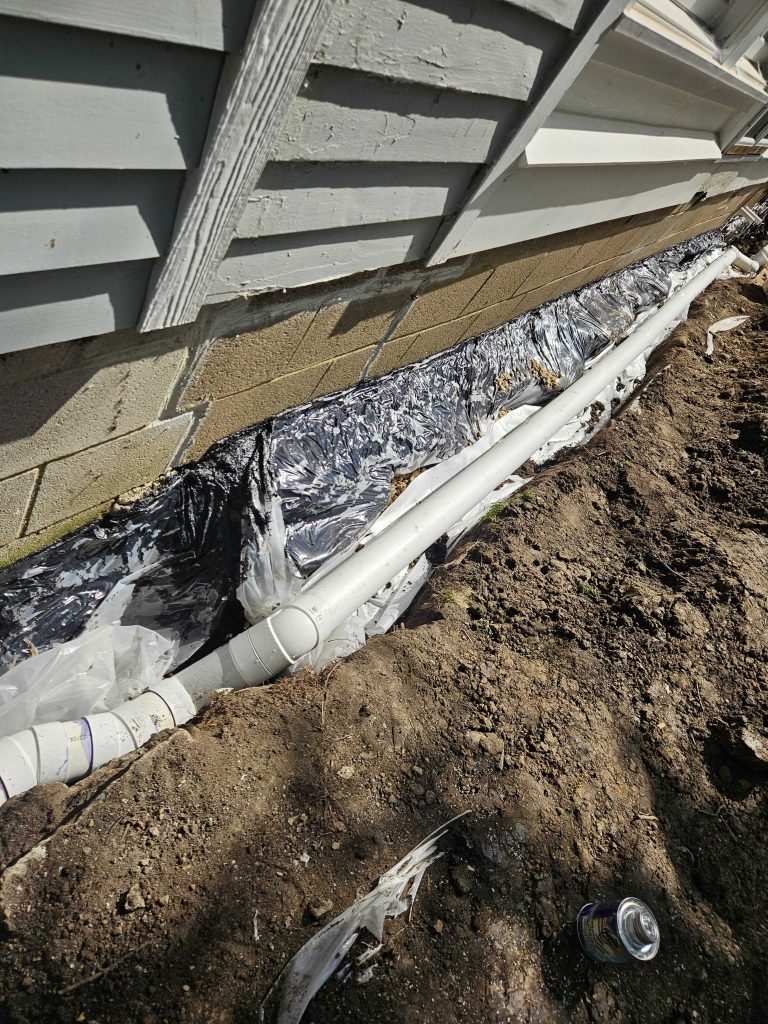
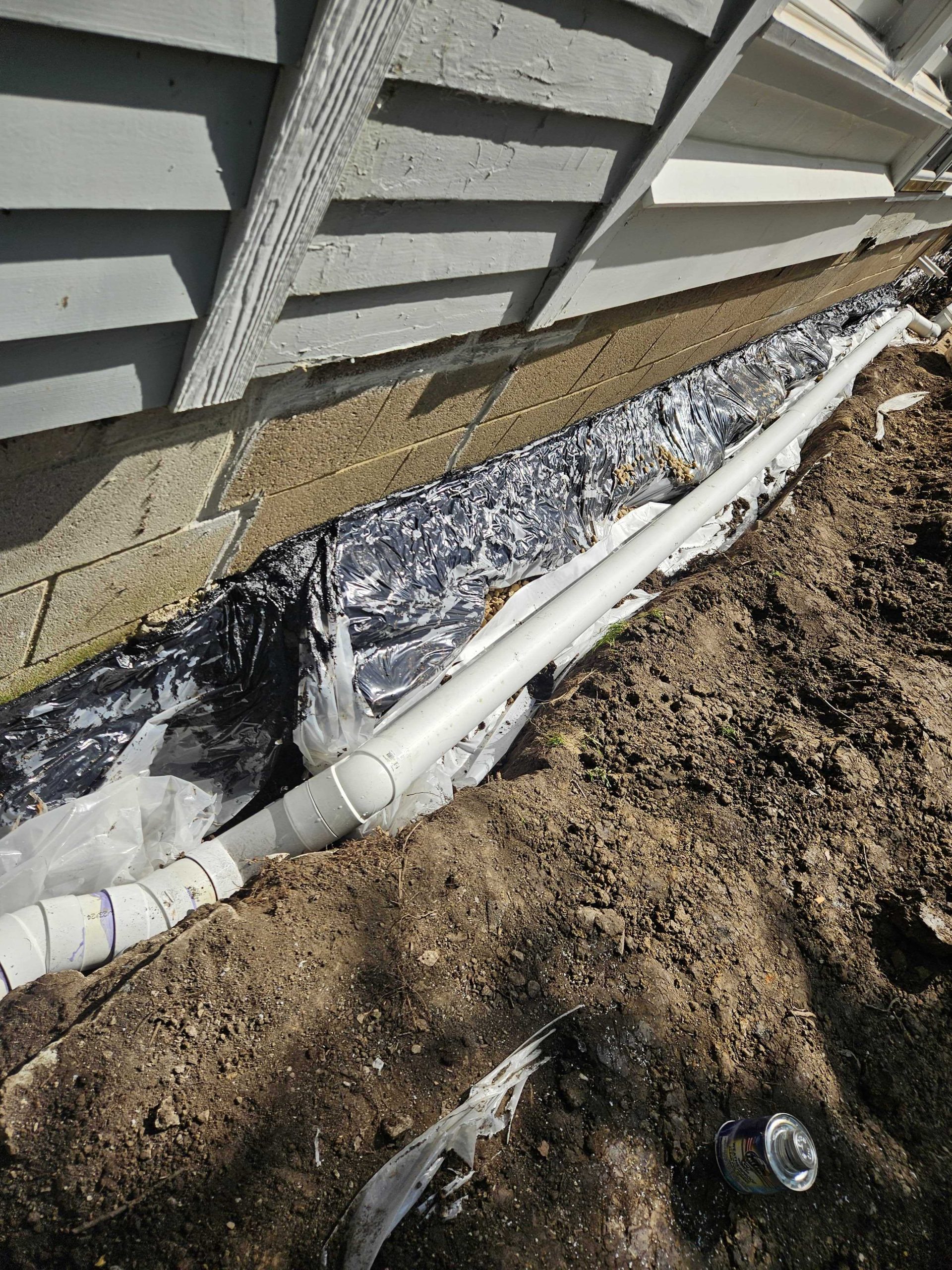
But having a good drainage system isn’t enough. You also need to install waterproof barriers. These barriers can be applied to vulnerable areas of your home such as the basement, windows, and doors. They act like a shield, blocking water from getting inside.
Regular maintenance of these systems is essential. Check your drainage systems for blockages or damage, and repair them promptly.
Your waterproof barriers should also be inspected for wear and tear.
DIY Solutions for Water Intrusion
Without shelling out for professional services, you can tackle water intrusion problems on your own. Start off by inspecting your drainage systems. They’re essential in directing water away from your home. If they’re not working properly, it’s time for some DIY repairs.
Gutter maintenance is another task you can handle. Make sure they’re clean and free of debris to prevent water from spilling over and causing damage.
Additionally, consider your landscaping. Proper grading can direct water away from your home, acting as a natural foundation barrier.
Investigate sealant options for window sealing. High-quality sealants can prevent water from infiltrating your property. Likewise, use moisture barriers in damp-prone areas such as the basement.
Basement waterproofing can be achieved by applying a waterproofing paint or installing a sump pump. Regular roof inspections can help spot potential leak points.
Replace damaged shingles and make certain vents are properly sealed. For extreme cases, consider installing foundation barriers to protect your home’s structure.
When to Call Professionals
You’ve tried DIY methods, but the water intrusion persists.
Now, it’s necessary to contemplate bringing in the experts.
Let’s discuss how to recognize when professional intervention is needed and how to hire qualified professionals for this task.
Identifying Water Intrusion
While it’s true that not all water intrusion issues require a professional touch, there are definite signs when it’s time to call in the experts.
Initially, you need to identify the water sources. These could be leaky pipes, flooding, or even high humidity. Sometimes, the source might be obvious, like a broken pipe or a flooded basement. In other cases, it might be more subtle, like moisture seeping in from the outside.
Next, you need to check for signs of water damage. This could be anything from a damp smell to visible mold. Remember, water damage isn’t always obvious, so it’s important to stay vigilant.
Moisture detection is an essential part of identifying water intrusion. You can use a moisture meter to check the moisture levels in your walls, floors, and ceilings. If the readings are high, it’s a clear sign of water intrusion.
Lastly, if the issue persists despite your best efforts or if you aren’t confident in your assessment, it’s best to call in professionals. They’ve the tools and expertise to accurately identify water intrusion and recommend the best course of action.
Hiring Qualified Experts
Don’t hesitate to call in the professionals when water intrusion becomes too challenging to handle on your own.
It’s vital to recognize when expert help is needed, as water damage can quickly escalate, causing significant property damage and potential health risks.
The hiring process should be approached with care. You don’t want to entrust your home to just anyone.
Look for expert qualifications such as certifications from recognized bodies like the Institute of Inspection Cleaning and Restoration Certification (IICRC).
To help you, here’s a quick guideline:
- Check Certifications and Experience: Verify the expert has extensive experience and necessary certifications.
- Ask for References: Don’t shy away from asking for references. This way, you can get firsthand information about their work quality and reliability.
- Get Detailed Estimates: A professional will provide a thorough estimate, including the extent of the damage, the materials needed for repair, and the total cost.
Maintenance Tips for Long-term Prevention
Shield your home from future water intrusion with regular and effective maintenance. You can’t underestimate the importance of a well-functioning drainage system. It’s your first line of defense against water damage.
Regularly check and clean your gutters, downspouts, and drains. Keep them free of debris to guarantee water flows away from your home, not into it.
Invest in waterproof coatings for your home’s exterior walls and foundations. These coatings act as barriers, preventing water from seeping into your home. They’re not foolproof, but they’re an extra layer of protection that’s worth the investment.
Don’t overlook your roof. It’s another critical area where water can get in.
Regularly inspect it for any signs of damage or wear and tear. Replace any broken or missing shingles promptly.
Frequently Asked Questions
What Is the Average Cost of Professional Water Intrusion Repair Services?
You’re asking about the average cost of professional water intrusion repair services.
It’s not a simple answer. Costs can vary widely depending on the extent of water damage and the repair techniques used.
You might see prices ranging from $1,000 to $4,000 on average, but severe cases can run tens of thousands.
It’s crucial to get a professional quote to understand what you’re dealing with and what it’ll cost you.
Can Water Intrusion Affect the Structural Integrity of My Home?
Absolutely, water intrusion can affect your home’s structural integrity.
When water sources like rain or plumbing leaks get into your house, they can cause rot, mold, and even foundation issues.
It’s essential to use prevention methods such as proper sealing and drainage to protect your home.
Ignoring these problems won’t make them go away; it’ll just make them more costly to fix in the long run.
What Types of Insurance Cover Water Intrusion Damages?
Yes, certain types of insurance, like flood insurance and homeowners insurance, often cover water intrusion damages.
However, you’ll need to check your policy’s specifics. Flood insurance typically covers damages from natural flooding, while homeowners insurance might cover unexpected water damage inside your home.
It’s essential to review your coverage carefully to guarantee you’re protected from all potential water intrusion scenarios.
How Does Climate or Weather Affect the Risk of Water Intrusion?
Climate plays an essential role in your risk for water intrusion. Increased rainfall patterns can heighten the likelihood of water seeping into your home.
Living in flood zones also raises your risk, as these areas are more prone to flooding from heavy rains or storm surges.
It’s vital to evaluate these factors when contemplating your home’s vulnerability to water intrusion. Awareness can help you take preventative measures and mitigate damage.
Are There Any Health Risks Associated With Long-Term Exposure to Water Intrusion?
Yes, long-term exposure to water intrusion can pose health risks.
Moisture promotes mold growth, which can lead to respiratory issues.
Don’t ignore water damage, as symptoms may not appear immediately but can have long-term effects on your health.
It’s essential you implement mitigation strategies promptly to prevent further issues.
Always prioritize your health and take necessary steps to address water intrusion problems.
Conclusion
So, you’re now armed with the basics of water intrusion! Remember, spotting signs early, like water stains or mold, can save you a ton of hassle. Regularly check your property, maintain it properly, and set up effective drainage systems. Don’t hesitate to try DIY solutions, but know when to call in the pros. By taking these preventive steps, you can help protect your home from the damage that unwanted water can cause. Stay vigilant!

Ohio State Waterproofing has provided quality service with over 90,000 successful waterproofing and foundation repair installations and satisfied customers since our inception in 1978.
Ohio State Waterproofing’s philosophy for success is to provide honest, courteous and guaranteed service to every customer. Our reputation reflects this. Our well-trained waterproofing technicians are dedicated to complete customer satisfaction. This is achieved through fast, efficient processes as well as teamwork throughout this organization. You will always find a friendly representative willing to meet your needs at Ohio State Waterproofing.
We are a full service company that handles problems ranging from patching cracks to rebuilding basements. In addition, we hold three patents related to waterproofing that make us unique in the industry. These patents and our experience allow us to be able to do what every other waterproofer can do, but no one else can do what we do.
We are actively involved in the industry and community, including the National Association of Waterproofing Contractors, BHA, NARI, NAHB, NHIA, the BIA, the FHA and a number of consumer advocacy groups, as well as playing leading roles in a number of charitable functions.
But, most importantly, our highest degree of praise comes from the thousands of referrals we get from satisfied customers. Together they’ve made us a leader in the basement waterproofing and foundation repair industry.







