Skip to content
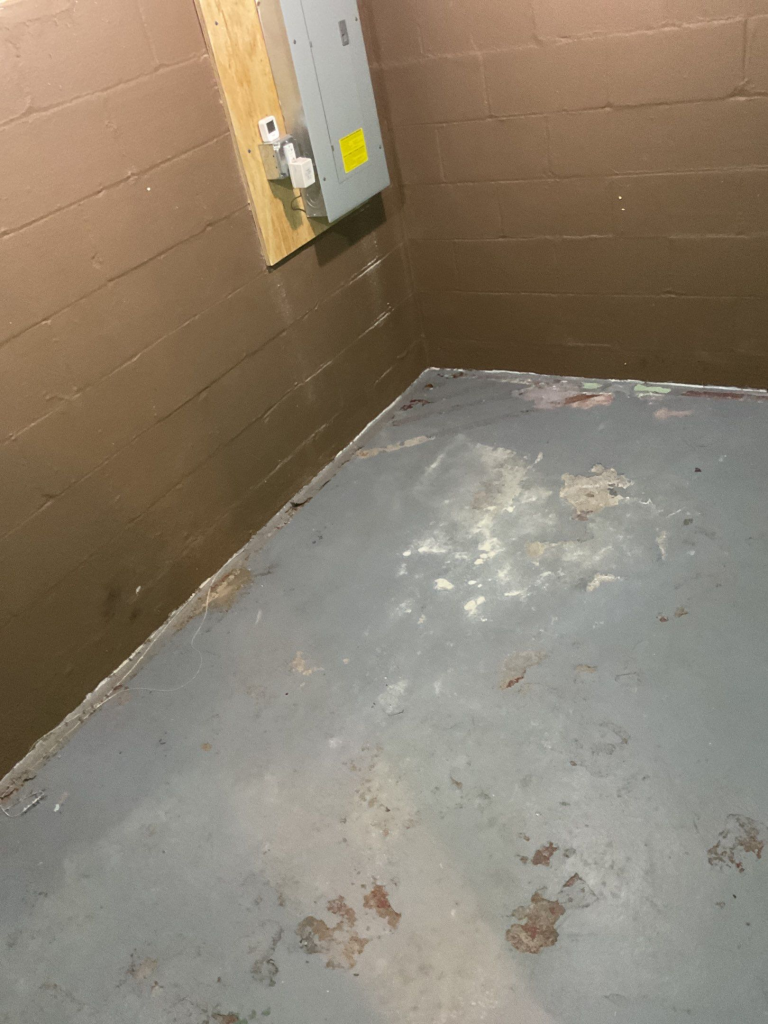


Cleveland homeowners frequently contend with basement moisture and related structural issues, so effective drainage is essential. This article explains Cleveland basement drainage systems—components, how they operate, and their benefits. Understanding these systems helps prevent water damage and maintain a healthy living environment. It reviews various waterproofing solutions, foundation repair approaches, and the role of drainage. We also outline warning signs homeowners should monitor and proactive steps to take.
Expert Solutions for Waterproofing
Waterproofing is essential to keep a basement dry and safe. Common options include interior drainage systems, exterior drainage, and sump pump installations—each designed to address specific moisture-entry points. These measures prevent water damage, improve indoor air quality, and can increase property value. Professional installation ensures systems perform correctly and provide durable protection against water infiltration.
Foundation Repair Techniques
Foundation repair preserves a home’s structural integrity. Typical methods include crack repair, piering, and soil assessment. Piering can lift and stabilize a sinking foundation, while crack repairs block water pathways and limit further deterioration. Consult a qualified professional to determine the most appropriate solution for a specific foundation concern.
Indeed, a home’s structural integrity depends heavily on a sound foundation; damage can compromise the entire building’s stability.
Understanding & Repairing Residential Foundation Failure
Foundations are among the structural elements most affected by this damage. They form the link between the structure and the soil and transmit loads from the building to the ground. When these elements are damaged, they undermine the overall stability of the structure and, depending on severity, can lead to collapse.
Reducing the risk of basement flooding through building-and lot-scale flood mitigation approaches: performance of foundation drainage systems, B Kaur, 2021
Importance of Effective Drainage Systems
Effective drainage diverts water away from the foundation, reducing the risk of flooding and structural damage. Proper drainage also helps control humidity and limit mold growth, supporting indoor air quality. Investing in a reliable drainage system protects the home and can enhance property value.
Further research underscores building- and lot-scale strategies that reduce basement flood risk.
Basement Flood Mitigation & Foundation Drainage Systems
Flood-mitigation techniques implemented at the building and lot scale (private side) can reduce the risk of basement flooding for a given home. Measures include backwater valves to lower sewer surcharge risk, low-impact development strategies to reduce runoff into municipal systems, and foundation drainage systems to limit infiltration flooding.
Reducing the risk of basement flooding through building-and lot-scale flood mitigation approaches: performance of foundation drainage systems, B Kaur, 2021
Common Warning Signs of Basement Issues
Homeowners should watch for damp walls or floors, musty odors, and visible mold—signs of excess moisture that can lead to more serious damage if untreated. Regular inspections and routine maintenance help identify problems early and enable timely repairs. Ohio State Waterproofing offers free inspections to help homeowners assess basement condition and determine necessary solutions.
What Are the Key Components of Cleveland Basement Drainage Systems?
Cleveland basement drainage systems comprise several key components that work together to manage water effectively. These components include:
- Drain Tiles: Installed around the foundation, drain tiles collect and redirect water away from the home.
- Sump Basin: This is a pit that collects water from the drain tiles, allowing for efficient removal via a sump pump.
- Waterproof Membranes: These barriers prevent water from seeping through the foundation walls, providing an additional layer of protection.
Knowing these components helps homeowners select and maintain effective drainage solutions.
How Do Interior Drainage Systems Prevent Basement Flooding?
Interior drainage systems manage water that enters the basement. They typically combine a network of internal drain tiles with a sump pump. Water that reaches the drain tiles is channeled to a sump basin, and the pump removes it before flooding occurs. This approach is effective where groundwater levels are high.
What Role Do Sump Pumps Play in Effective Drainage?
Sump pumps remove excess water from the sump basin and prevent flooding. They are available as submersible or pedestal units, each with specific advantages. Regular maintenance is necessary to ensure reliable operation during heavy rain or snowmelt.
How Does Foundation Repair Support Basement Waterproofing in Cleveland?
Foundation repair supports waterproofing by eliminating pathways for water and reducing basement moisture. Addressing foundation issues through crack repair and piering strengthens the structure and improves the performance of waterproofing systems. A stable foundation allows waterproofing measures to function as intended and deliver long-term protection.
Why Are Foundation Cracks Critical to Address for Drainage Efficiency?
Foundation cracks create direct routes for water to enter the basement, which undermines drainage effectiveness and can cause structural harm. Prompt repair is essential. Techniques such as epoxy injections and polyurethane foam can seal cracks and prevent water intrusion, enabling drainage systems to operate efficiently.
What Repair Techniques Ensure Long-Term Structural Integrity?
Several repair techniques support long-term structural integrity, including:
- Epoxy Injection: This method involves injecting epoxy resin into cracks to seal them and restore structural strength.
- Piering: This technique stabilizes sinking foundations by transferring the load to deeper, more stable soil layers.
- Soil Stabilization: This process involves treating the soil around the foundation to prevent further settling and shifting.
Applying these methods helps maintain foundation stability and reduce the likelihood of future problems.
What Are the Best Practices for Mold Prevention and Indoor Air Quality?
Mold prevention is essential for a healthy indoor environment. Best practices include:
- Controlling Humidity: Keeping indoor humidity levels below 60% can help prevent mold growth.
- Regular Inspections: Conducting routine inspections for signs of moisture can help identify potential mold issues early.
- Proper Ventilation: Ensuring adequate ventilation in basements and crawl spaces can reduce humidity and improve air quality.
Following these practices reduces mold risk and enhances indoor air quality.
How Does Proper Drainage Reduce Mold Growth Risks?
Proper drainage limits moisture accumulation and therefore reduces the risk of mold growth. Prioritize the installation and maintenance of effective drainage solutions to protect the home from mold-related issues.
Which Crawl Space Drainage Solutions Improve Home Air Quality?
Crawl space drainage solutions contribute directly to better home air quality. Effective measures include:
- Crawl Space Encapsulation: This involves sealing the crawl space with a vapor barrier to prevent moisture intrusion.
- Sump Pumps: Installing sump pumps in crawl spaces can help manage water accumulation and prevent flooding.
- Dehumidifiers: Using dehumidifiers in crawl spaces can help control humidity levels, further reducing the risk of mold growth.
Implementing these measures improves indoor air quality and supports a healthier living environment.
How Can Homeowners Benefit from Professional Inspection and Maintenance Services?
Professional inspection and maintenance provide homeowners with clear, actionable information about their drainage systems. Regular inspections catch issues early, enabling timely repairs. Professionals also recommend solutions tailored to a home’s specific needs to ensure optimal system performance. Ohio State Waterproofing offers comprehensive inspection services to help homeowners maintain their basements effectively.
What Does a Free Basement Drainage Inspection Include?
A free basement drainage inspection typically includes a thorough assessment of the basement’s condition, evaluation of existing drainage systems, and identification of potential issues. Inspectors check for signs of water damage, mold growth, and foundation cracks. Homeowners receive a detailed report that outlines recommended repairs or improvements and proposes effective drainage solutions.
How Often Should Sump Pumps and Drainage Systems Be Maintained?
Regular maintenance is essential to keep sump pumps and drainage systems effective. Inspect and service these systems at least once a year, with extra checks during heavy rainfall or snowmelt. Routine tasks include testing the sump pump, cleaning drain tiles, and inspecting for wear or damage. Proactive maintenance helps avoid costly repairs and keeps basements dry and safe.