 Skip to content


Cleveland has a documented history of addressing these moisture and energy issues in its housing.
Cleveland Housing: Addressing Moisture & Energy Problems
The Cleveland case study illustrates an early successful public housing renovation that addressed thermal comfort and energy-related moisture problems.
Public housing breaks the mold, 2001
Effective Waterproofing Methods
Crawl space waterproofing uses several approaches to block moisture and protect a home’s structure. Common options include crawl space encapsulation, interior drainage systems, and sump pumps; contractors often combine methods to suit a property’s specific conditions.
Crawl Space Encapsulation
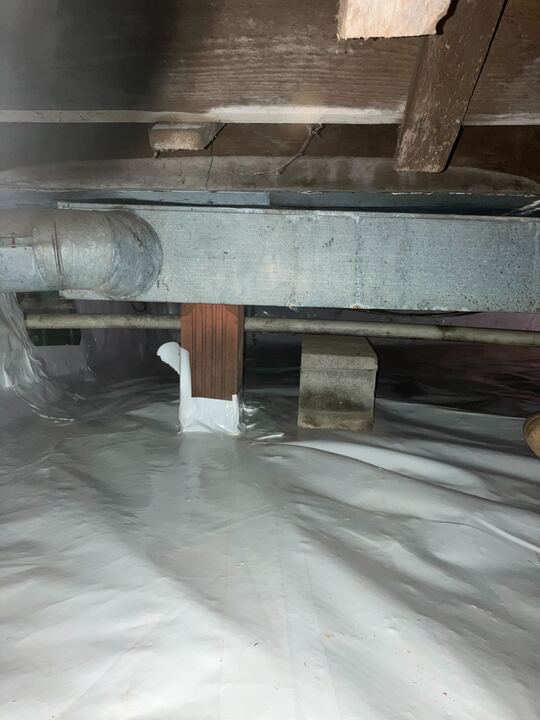
Encapsulation seals the crawl space with a vapor barrier to prevent moisture entry. The system keeps the area dry and can improve energy efficiency by stabilizing temperature. Encapsulation is particularly effective in Cleveland’s humid climate, where excess moisture encourages mold and can damage structural elements.
Research supports these methods for controlling moisture and improving energy performance across climates.
Crawl Space Moisture Control & Energy Performance
The study evaluated an alternative for crawl space moisture control that delivered reasonably good energy performance. Simulations used an apartment building in a cold climate and examined heating and ventilation control strategies.
Moisture conditions and energy consumption in heated crawl spaces in cold climates, J Kurnitski, 2003
Interior Drainage Systems
Interior drainage systems collect and redirect water that enters the crawl space. A network of drains and pipes channels water to a sump pump for removal, preventing accumulation and reducing flood risk.
Sump Pumps
Sump pumps remove water automatically when levels rise and are essential during heavy rainfall. Properly installed pumps lower the chance of water damage and subsequent mold growth.
Cost Considerations
Several factors influence crawl space waterproofing cost. Understanding these variables helps homeowners choose a suitable, cost-effective solution.
- Size of the Crawl Space: Larger spaces require more materials and labor, increasing costs.
- Severity of Moisture Issues: Homes with extensive moisture problems may need full encapsulation or advanced drainage, which raises expenses.
- Method Chosen: Different methods carry different upfront costs; for example, encapsulation can be pricier initially but may prevent costly damage later.
Ohio State Waterproofing provides tailored crawl space solutions for Cleveland homeowners, including moisture control, encapsulation, vapor barrier installation, and foundation crack repair.
Maintenance Tips
Routine maintenance preserves the effectiveness of any waterproofing system. Follow these practices to keep your crawl space dry and functional:
- Regular Inspections: Schedule inspections to spot moisture or damage early.
- Ensure Proper Ventilation: Adequate ventilation reduces humidity, preventing mold and preserving air quality.
- Maintain Drainage Systems: Check and clean drains and pumps regularly to prevent blockages and water buildup.
Ohio State Waterproofing offers free inspections to evaluate crawl space conditions and recommend appropriate solutions.
What Are the Key Signs Your Cleveland Crawl Space Needs Waterproofing?
Recognising when your crawl space needs waterproofing helps maintain a healthy home. Key indicators include:
- Musty Odors: Persistent musty smells often indicate mold or mildew from excess moisture.
- Visible Mold or Mildew: Any visible mold on crawl space surfaces should be addressed promptly.
- Damp Insulation: Wet or soggy insulation reduces energy efficiency and signals moisture intrusion.
How to Identify Moisture and Water Damage in Crawl Spaces
Detecting moisture and water damage relies on straightforward inspections and observations. Check for musty odors, inspect insulation for dampness or mold, and look for water stains on walls or floors to identify current or past problems.
- Check for Musty Odors: A musty smell is often the first sign of moisture issues.
- Inspect Insulation: Look for damp or moldy insulation, which indicates water intrusion.
- Look for Water Stains: Stains on walls or floors can signal past or present moisture problems.
Recognizing Mold Growth and Its Impact on Home Health
Mold growth in crawl spaces can have direct health implications for residents. Recognising the signs and understanding the potential effects supports timely remediation and a safer home environment.
Studies have identified significant health risks from mold growth originating in crawl spaces.
Crawl Space Mold Growth & Health Risks
Field research found that mold growth in crawl spaces is usually considered a high risk. Airflow from the crawl space into living areas can carry fungal spores and pose potential health problems.
Microbial contamination of indoor air due to leakages from crawl space: a field study, M Airaksinen, 2004
- Signs of Mold Growth: Look for discoloration on surfaces, especially in damp areas.
- Health Risks Associated with Mold: Exposure can cause respiratory issues, allergies, and other health problems.
- Importance of Remediation: Address mold promptly to maintain a safe, healthy home.
Which Crawl Space Waterproofing Methods Are Most Effective in Cleveland Homes?
Several waterproofing methods work well in Cleveland homes:
- Encapsulation: Seals the crawl space to prevent moisture intrusion.
- Interior Drainage Systems: Manage water accumulation and direct it away from the foundation.
- Sump Pumps: Remove excess water and help keep the space dry.
Benefits of Crawl Space Encapsulation and Vapor Barrier Installation
Encapsulation and vapor barriers offer clear benefits:
- Moisture Prevention: Block moisture entry and reduce mold risk.
- Improved Indoor Air Quality: Limiting moisture helps maintain healthier air throughout the home.
- Energy Efficiency: Sealing the crawl space can improve temperature regulation and lower energy bills.
Foundation Crack Repair Techniques to Prevent Water Intrusion
Repairing foundation cracks prevents water entry. Common techniques include:
- Epoxy Injection: Fills cracks to create a waterproof seal.
- Polyurethane Foam Injection: Expanding foam fills voids and blocks water.
- Crack Routing and Sealing: Widening and sealing cracks with a durable compound to prevent future leaks.
How Does Crawl Space Waterproofing Improve Indoor Air Quality and Prevent Mold?
Crawl space waterproofing contributes directly to improved indoor air quality:
- Moisture Control: Preventing moisture buildup reduces mold growth.
- Reduction of Allergens: A dry crawl space minimises allergens and improves living conditions.
- Health Benefits: Better air quality can reduce respiratory issues and allergy symptoms for residents.
What Are the Cost and Financing Options for Crawl Space Waterproofing in Cleveland?
Understanding costs and financing options helps homeowners plan waterproofing projects:
- Understanding Pricing Factors: Costs vary with crawl space size and moisture severity.
- Available Financing Plans: Many companies offer financing to spread the cost.
- Free Inspection Offers: Some providers, including Ohio State Waterproofing, offer free inspections to assess conditions and recommend solutions.
| Method | Description | Estimated Cost |
|---|---|---|
| Crawl Space Encapsulation | Sealing the crawl space with a vapor barrier | $2,000 – $5,000 |
| Interior Drainage System | Installing drains and pipes to manage water | $1,500 – $3,500 |
| Sump Pump Installation | Installing a pump to remove excess water | $800 – $2,500 |
This table shows estimated costs for common crawl space waterproofing methods to help homeowners budget for necessary services.
To explore basement waterproofing options, or to learn more about the crawl space waterproofing process, visit Ohio State Waterproofing. They provide comprehensive waterproofing solutions tailored to homeowner needs.







