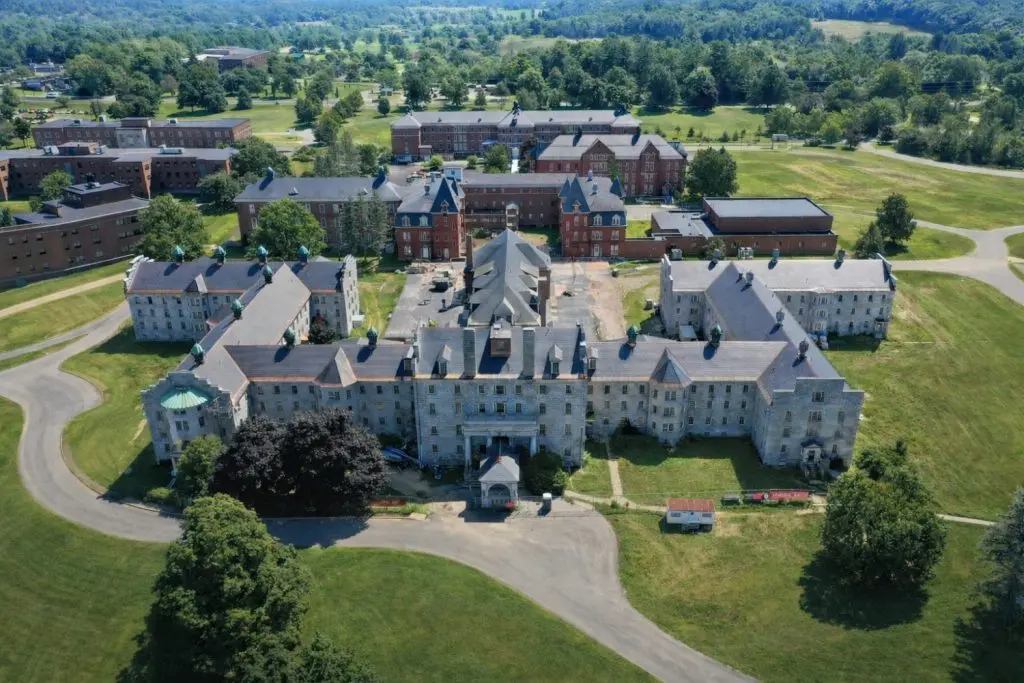

The building that once hosted Maine’s first state mental health institute is in the final phase of stabilization and preservation.
The Stone Building is a mid-19th-century granite landmark listed on the National Register of Historic Places. It is undergoing a major rehabilitation effort following nearly two decades of vacancy. Gale Associates, Inc is leading the preservation and stabilization work.
The complex was originally constructed between 1836 and 1840 and expanded between 1848 and 1870. Until 2004, it served as the Augusta Mental Health Institute—Maine’s first state mental health institution.
After its closure, the building sustained a partial roof collapse, exterior wall displacement, and widespread window failure. Water infiltration threatened the structure and its historic fabric.
The $20.4 million restoration is funded through state bonds and executed with Maine-based design and construction teams. The state intends to renovate the interior for municipal use.
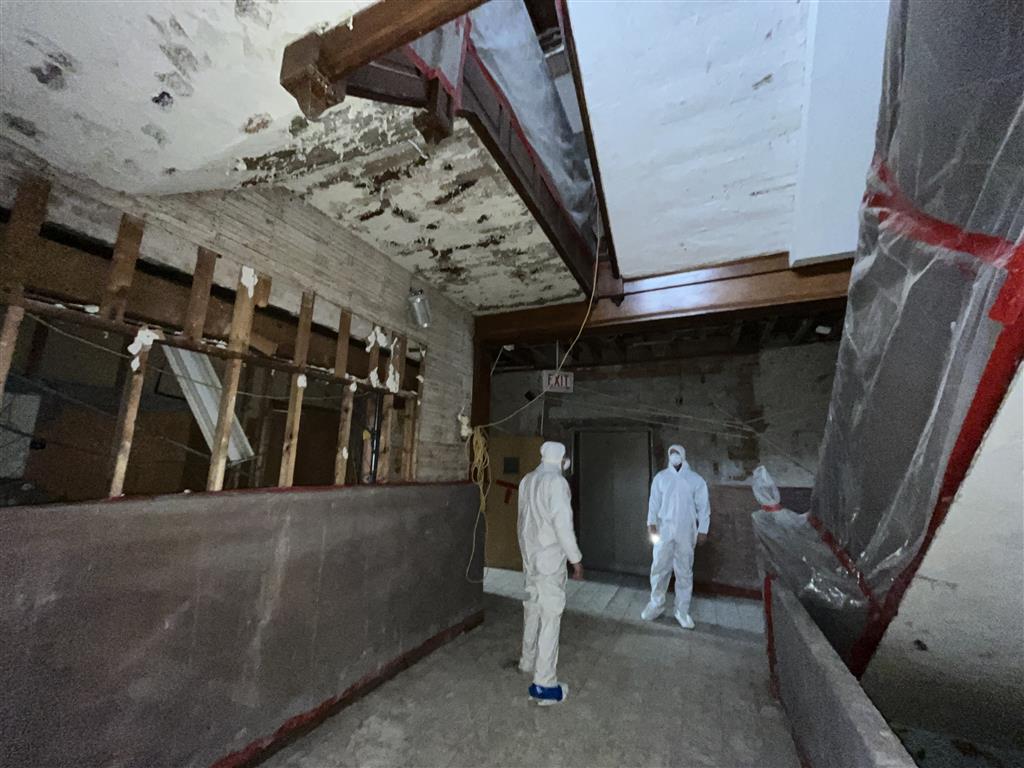
Phase 1 of the restoration included full roof replacement, slate repair, and stone repairs. Severely deteriorated exterior wall components were reconstructed.
The next phase focused on salvaging significant interior historic woodwork in co-ordination with the Maine Historic Preservation Commission.
The final phase, currently underway, includes restoration of approximately 50 historic wood windows. Gale is collaborating with state preservation officials to redesign windows beyond repair while maintaining their historic proportions.
The project is expected to reach completion in March 2027.