 Skip to content
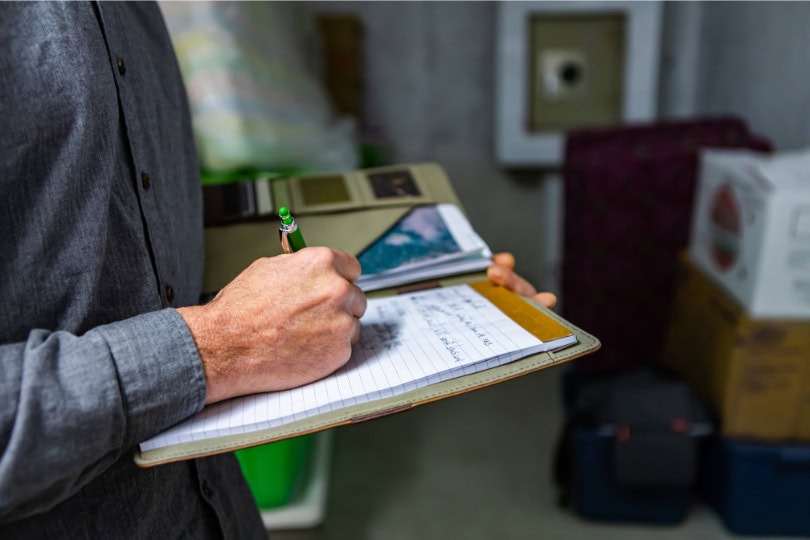
If your basement is wet, the first thing most homeowners do is grab a flashlight and go look for themselves. That makes total sense. But a homeowner walking their basement and a trained waterproofing inspector walking your basement are two very different things — and confusing the two is one of the most expensive mistakes you can make.
This guide breaks down exactly what a professional free basement inspection includes, what a DIY walkthrough misses, and why getting the diagnosis right before doing anything else is always the smarter move.
What Is a Free Basement Inspection?
A free basement inspection is a no-cost, no-obligation evaluation performed by a trained waterproofing specialist. It’s not a general home inspection. It’s not a sales pitch. It’s a targeted, professional assessment of why water is getting into your basement and what it will take to stop it permanently.
At American Dry Basement Systems, every free inspection includes:
- A full interior and exterior walkthrough to find the real source of water intrusion, not just where it’s showing up
- Evaluation of your foundation type — block wall, poured concrete, stone, or cinder block — since each presents different vulnerabilities
- Assessment of hydrostatic pressure, grading, downspout discharge, and exterior drainage conditions
- Identification of cracks, efflorescence, bowing walls, or floor seepage that indicate deeper structural issues
- A written field report with a diagram showing exactly where the problem is, what’s causing it, and what it costs to fix
- Itemized pricing options so you can make an informed decision
- Zero pressure to move forward on the spot
You leave with answers in hand, regardless of whether you hire us or not.
What a DIY Inspection Actually Covers
A homeowner can spot the obvious symptoms: a wet wall, a puddle on the floor after a heavy rain, white chalky deposits on the concrete, a musty smell. These are real signals and worth paying attention to.
But here’s the problem. The location where water appears in your basement is almost never the location of the problem. Water follows the path of least resistance, traveling along footer drains, through hairline cracks in block mortar, or underneath the slab before surfacing feet away from its actual entry point.
A DIY inspection can tell you where the water is. It can’t tell you why it’s there. And acting on an incomplete diagnosis is where homeowners waste money.
Common DIY mistakes driven by incomplete inspection:
- Applying waterproof paint or DryLok to interior walls — temporarily reduces visible moisture but does nothing to address hydrostatic pressure from outside the foundation, and makes future repairs more difficult since coatings must be removed before proper waterproofing can be installed
- Using hydraulic cement on cracks — bonds poorly with wet concrete and fails when the crack reopens, which it almost always does
- Caulking around cove joints — the joint where the wall meets the floor is one of the most common entry points for groundwater, and surface caulk won’t hold under sustained water pressure
- Ignoring exterior factors — landscaping that grades toward the house, clogged downspouts, and saturated soil against the foundation are often the primary drivers, none of which are visible from inside
None of these problems are obvious to someone without training. That’s not a knock on homeowners — it’s just the reality of how water moves through a foundation.
Why the Diagnosis Has to Come Before the Fix
Think of it the same way you’d think about a medical issue. A doctor can’t tell you what’s wrong without actually examining you. Calling in and describing symptoms doesn’t get you a prescription — it gets you an appointment. Basement water problems work the same way.
No two basements are the same. The fix for a poured concrete wall with a single vertical crack is completely different from the fix for a block wall with lateral cracking due to soil pressure. A finished basement with a hidden seeping cove joint requires a different approach than a crawl space with standing water. A home on a hillside in Ridgefield, CT faces different hydrostatic pressure dynamics than a coastal property in Westport.
That’s why we never give pricing over the phone. Without physically seeing your foundation, checking the exterior grade, and understanding your foundation type, any number is a guess. A professional inspection is the only way to get an accurate answer.
Signs You Need a Professional Inspection — Not a DIY Look
Some things homeowners can monitor themselves. But these signs specifically indicate you need a trained eye:
- Efflorescence (white chalky deposits) on basement walls — this is crystallized mineral salt left behind when water evaporates through concrete, and it means water is actively moving through your walls
- Cracks that are growing or have horizontal orientation — horizontal cracks in block walls can indicate lateral soil pressure and potential structural failure
- Bowing or leaning walls — a serious structural signal that requires immediate professional assessment
- Water seeping up through the floor or at the cove joint — indicates hydrostatic pressure beneath the slab, not a wall issue, which completely changes the fix
- Musty smell even without visible water — high humidity and hidden moisture behind walls or under flooring means the problem is there whether you can see it or not
- A previous waterproofing system that’s still leaking — if someone else already fixed it and it’s still wet, the system was likely shallow or improperly installed
If any of these apply to your basement, a DIY assessment isn’t going to give you the information you need to solve the problem.
What Happens During an American Dry Free Inspection
From the moment our inspector arrives, the process is different from what most homeowners expect. There’s no clipboard full of upsell options. No pressure. Just someone who actually knows what they’re looking at.
First, we go outside. Before ever stepping into your basement, we walk the full exterior of your property. We’re checking the grade around your foundation, looking at where downspouts discharge, evaluating visible cracks in the exterior wall, and reading the landscape for anything driving water toward the house. Most companies skip this step entirely.
Then we go downstairs. We walk every wall, check the floor, evaluate any previous waterproofing attempts, and look for signs of moisture that most homeowners wouldn’t catch — efflorescence patterns, staining that indicates seasonal versus acute water intrusion, humidity levels, and the condition of any existing sump pump. We’re looking at the full picture, not just where the water showed up.
Then we talk to you. Not at you. We’ll explain exactly what we found, why it’s happening, and what it takes to fix it — in plain language. If the issue turns out to be a broken pipe or something outside our scope, we’ll tell you that too and point you in the right direction. We’ve sent homeowners to plumbers before. Honesty isn’t a tactic for us — it’s just how we operate.
You leave with a written field report. In hand, before anyone leaves. It includes a diagram of the problem, a clear explanation of the cause, itemized options, and pricing. Some of our inspectors use a tablet, some go old school with paper. Either way, you have something tangible to review, compare, and hold onto.
Inspections typically take about an hour. The only thing you need to do beforehand is clear access to your walls and floor, and if you can, jot down when and where you’ve noticed water, any smells, and whether any previous work has been done on the basement.
Free Inspection vs. Free Estimate: Are They the Same Thing?
Not always. Some companies offer a free estimate, which means a salesperson comes out and quotes you a job. A free inspection means a trained specialist diagnoses the problem first. At American Dry, the inspection and written estimate are both included at no cost — but the inspection comes first, because the estimate has to be based on an actual diagnosis, not a sales target.
Ask any company you’re evaluating whether their free visit is an inspection or an estimate. The difference matters.
Frequently Asked Questions
Does a free basement inspection obligate me to hire the company? No. A free inspection is exactly that — free and no-obligation. You leave with a written report and can take time to compare your options.
Can I do a basement inspection myself before calling a professional? You can document what you’re seeing and when — water location, timing relative to rainfall, any smells or visible growth. That information is actually helpful to share with us. But identifying the source of water intrusion requires training and experience that takes years to develop. Documenting is smart. Diagnosing on your own usually isn’t.
How long does a professional basement inspection take? Typically 45 minutes to an hour for most homes. Larger properties or those with more complex foundation issues may take longer.
What should I do to prepare for a basement inspection? Clear access to your walls and floor as much as possible. Move stored items away from the perimeter. Note when and where you’ve seen water appear, any smells you’ve noticed, and whether any previous waterproofing work has been done on the home. The more context you can give us, the better.
Does American Dry charge for the inspection? No. Inspections are completely free with no obligation. We serve all of Connecticut and New York, including Fairfield, New Haven, Litchfield, Hartford, Middlesex, New London, Tolland, and Windham counties in CT, and Westchester, Rockland, Putnam, and Dutchess counties in NY.
What if my basement problem turns out to be something you don’t handle? We’ll tell you straight. If the issue is a plumbing leak, a broken pipe, or something outside our scope, your inspector will let you know and point you in the right direction. We’d rather send you to the right person than sell you something you don’t need.
The Bottom Line
A DIY basement inspection tells you where water is showing up. A professional free inspection tells you why it’s there and exactly what it takes to make it stop. One of those is free, takes about an hour, and comes with a written report and no pressure to commit. The other leads to guesswork, expensive trial-and-error fixes, and the same wet basement six months from now.
If you’re seeing water, smelling moisture, or noticing cracks in your Connecticut or New York home’s foundation, the right first move is a professional inspection — not a trip to the hardware store.
American Dry Basement Systems has been solving basement and crawl space problems for CT and NY homeowners since 1997. Licensed and insured in Connecticut and New York, with 75,000+ dry basements and a lifetime warranty on installed systems.







