 Skip to content
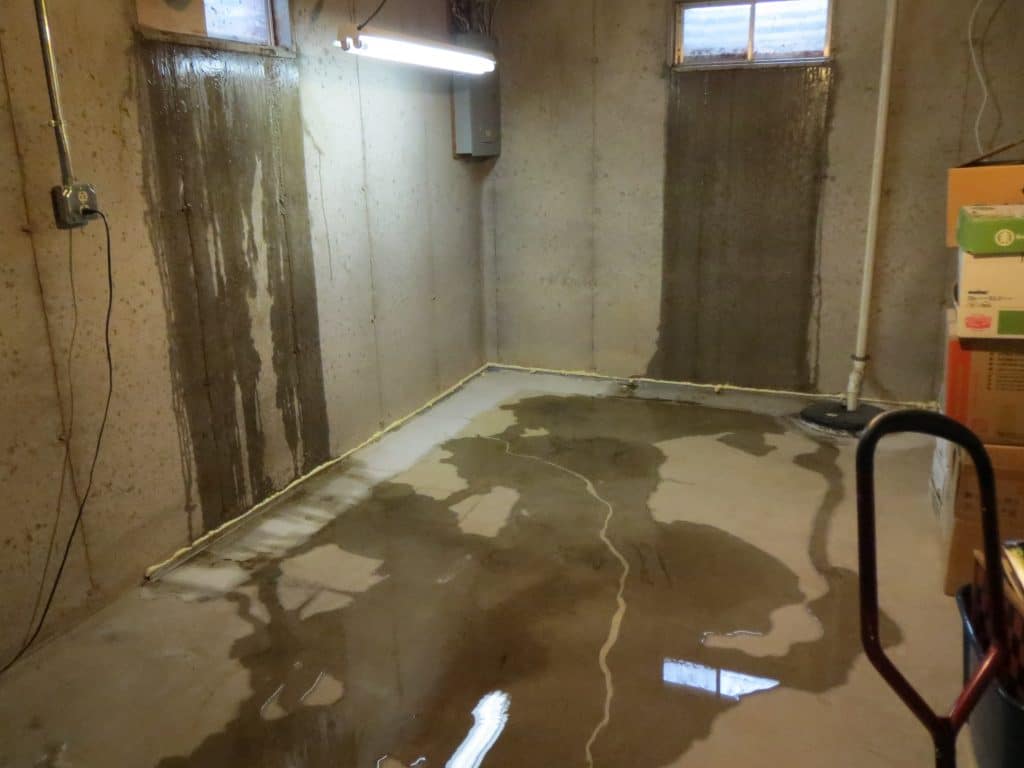
Many homeowners think of basement moisture as a minor inconvenience, something that leads to damp walls or occasional musty odors. However, what happens in the basement does not stay in the basement.
Air inside a home constantly circulates, meaning that moisture, mold spores, and airborne particles from the basement can travel to upper living spaces. This makes basement conditions a major factor in overall indoor air quality.
Understanding how basement moisture affects indoor air quality is essential for maintaining a healthy living environment.
Even small amounts of moisture can create conditions that impact air quality, increase allergens, and contribute to long-term health concerns if left unaddressed.
Key Takeaways
- Basement moisture directly impacts the air quality throughout the home.
- Humidity promotes mold growth and airborne contaminants.
- Air naturally moves from the basement to upper levels of the house.
- Poor indoor air quality can lead to respiratory issues and allergies.
- Waterproofing and moisture control systems improve overall home health.
How Air Circulates Inside a Home
One of the most important concepts homeowners should understand is how air moves within a house.
Warm air rises, creating what is often called the stack effect. As air rises through the home, it pulls air from lower levels, including the basement.
This means that any moisture, odors, or airborne particles present in the basement can be carried upward into living areas.
In many homes, a significant portion of indoor air originates from the basement.
As a result, basement conditions have a direct impact on the air quality experienced throughout the entire home.
The Connection Between Moisture and Air Quality
Moisture plays a major role in indoor air quality.
When excess humidity is present in a basement, it creates an environment where mold, mildew, and bacteria can thrive.
These contaminants release airborne particles that can circulate through the home.
Common air quality issues caused by basement moisture include:
- musty odors
- increased allergens
- mold spores in the air
- dust mites thriving in humid conditions
Even if moisture is not visible, elevated humidity levels can still affect air quality.
How Mold Growth Impacts Indoor Air
Mold is one of the most significant consequences of basement moisture.
Mold spores are microscopic and can easily become airborne. Once released into the air, they can spread throughout the home.
Exposure to mold spores may contribute to:
- respiratory irritation
- allergic reactions
- sinus congestion
- worsening asthma symptoms
Because mold often develops in hidden areas such as behind walls or under flooring, homeowners may not realize the extent of the problem.
Controlling moisture is the most effective way to prevent mold growth and protect indoor air quality.
Why Basements Are Prone to Humidity
Basements naturally tend to have higher humidity levels than other parts of the home.
This is because they are located below ground level and are surrounded by soil that retains moisture.
Additional factors that contribute to basement humidity include:
- water seeping through foundation walls
- condensation forming on cool surfaces
- poor ventilation
- lack of air circulation
These conditions make basements an ideal environment for moisture buildup.
Without proper moisture control, humidity levels can remain elevated year-round.
The Impact of Humidity on Health
High humidity levels can have a noticeable effect on comfort and health.
Excess moisture in the air can make the home feel damp and uncomfortable, while also encouraging the growth of harmful microorganisms.
Health concerns associated with poor indoor air quality include:
- increased allergy symptoms
- respiratory discomfort
- headaches
- fatigue
For individuals with asthma or other respiratory conditions, high humidity can worsen symptoms significantly.
Maintaining balanced humidity levels is important for creating a comfortable and healthy living environment.
Signs That Basement Moisture Is Affecting Air Quality
Homeowners may notice several warning signs that indicate basement moisture is impacting indoor air quality.
These include:
- persistent musty odors throughout the home
- condensation on windows or pipes
- damp or sticky indoor air
- visible mold growth
- increased allergy symptoms indoors
These signs often suggest that moisture is present and affecting air circulation.
Addressing the source of the moisture is essential for improving air quality.
How Basement Waterproofing Improves Air Quality
Professional basement waterproofing systems help control the source of moisture before it can affect indoor air.
By managing groundwater and preventing water from entering the basement, these systems reduce humidity levels and limit conditions that promote mold growth.
Common waterproofing solutions include:
- interior drainage systems
- sump pump systems
- vapor barriers
- foundation crack repair
By keeping the basement dry, these systems help improve air quality throughout the entire home.
The Role of Dehumidification and Ventilation
In addition to waterproofing, proper ventilation and dehumidification play an important role in maintaining healthy indoor air.
Dehumidifiers help reduce moisture levels in the air, while ventilation systems improve air circulation.
Together, these solutions help:
- control humidity levels
- reduce airborne contaminants
- prevent mold growth
- improve overall comfort
Combining moisture control with proper airflow creates a healthier indoor environment.
Long-Term Benefits of Moisture Control
Addressing basement moisture provides long-term benefits that extend beyond preventing water damage.
These benefits include:
- improved indoor air quality
- reduced risk of mold growth
- better respiratory health
- increased comfort throughout the home
- protection of structural materials
By managing moisture effectively, homeowners can create a safer and healthier living space.
Conclusion
Basement moisture is more than just a structural concern. It plays a major role in the overall air quality of a home.
Because air naturally moves from the basement to upper living areas, moisture, mold spores, and airborne contaminants can circulate throughout the house.
Understanding how basement moisture affects indoor air quality helps homeowners recognize the importance of controlling humidity and preventing water intrusion.
Professional waterproofing solutions, combined with proper ventilation and dehumidification, provide effective ways to maintain a dry basement and a healthier home environment.
Taking action early helps protect both the structure of the home and the well-being of those who live in it.
FAQs
Does basement moisture affect the whole house?
Yes. Air from the basement circulates upward, carrying moisture and contaminants into living areas.
Can basement humidity cause health problems?
High humidity can contribute to mold growth, allergies, and respiratory issues.
What is the ideal humidity level for a basement?
Most experts recommend keeping basement humidity between 30% and 50%.
How can I improve basement air quality?
Controlling moisture through waterproofing, using dehumidifiers, and improving ventilation are effective solutions.







