What Causes Basement Dampness, and How Does It Affect Indoor Air Quality?
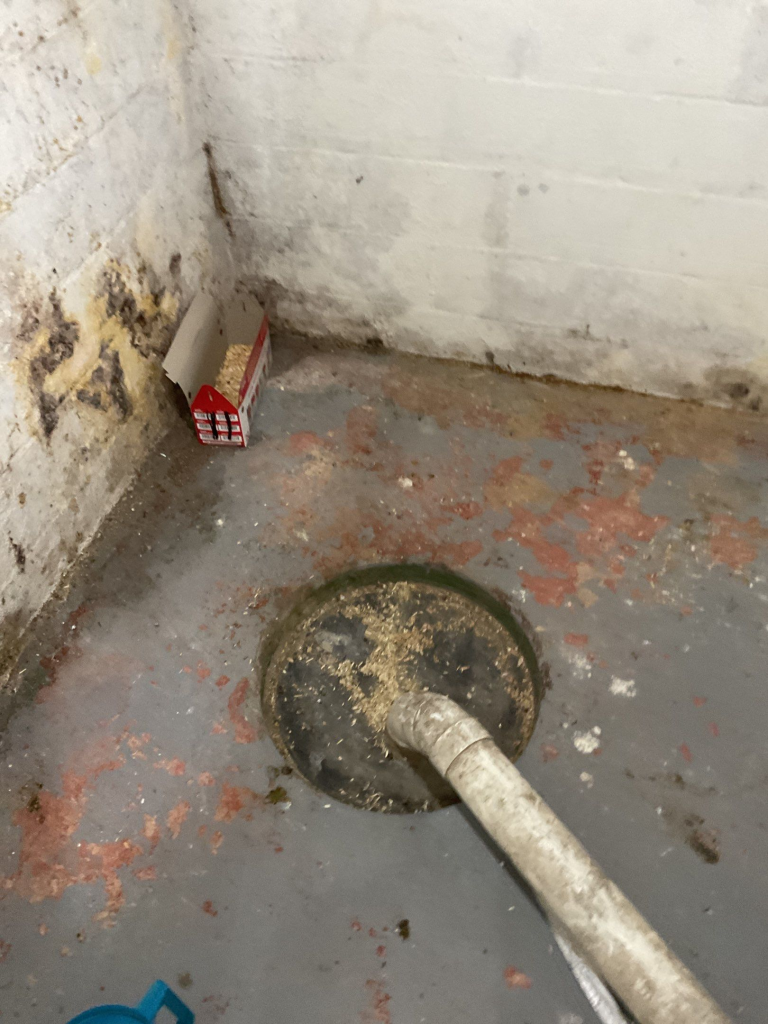
Basement dampness commonly results from poor drainage, high indoor humidity, and water intrusion from outside. When water enters the basement, it creates conditions that favour mold growth and airborne spores, which harm indoor air quality and trigger respiratory symptoms and allergic reactions. Damp basements can also harbour other contaminants that further compromise health. Understanding these causes helps homeowners maintain a safer indoor environment.
Research shows that high humidity directly contributes to mold growth and a range of adverse health outcomes.
High Humidity, Mold Growth, and Health Effects
The primary health effects of high humidity are caused by the growth and spread of biotic agents, although humidity interactions with nonbiotic pollutants, such as formaldehyde, may also cause adverse effects. This literature review identifies the most important health issues associated with high humidities and presents humidity requirements, typical contamination sites within buildings, and remediation measures for each pollutant.
Indoor humidity and human health–Part I: Literature review of health effects of humidity-influenced indoor pollutants, EA Arens, 1996
Health Risks Associated with Basement Mold and Dampness
Damp basements increase exposure to mold, which produces allergens and irritants that can trigger respiratory problems, particularly in sensitive individuals. Regular exposure can worsen symptoms and contribute to ongoing health issues.
Numerous studies link indoor dampness and mold to a variety of respiratory and allergic health problems.
Indoor Dampness, Mold, and Respiratory Health Effects
Many studies have shown consistent associations between evident indoor dampness or mold and respiratory or allergic health effects, but causal links remain unclear. Findings on measured microbiologic factors have received little review. We conducted an updated, comprehensive review on these topics.
Respiratory and allergic health effects of dampness, mold, and dampness-related agents: a review of the epidemiologic evidence, MJ Mendell, 2011
Respiratory Issues Linked to Mold Growth in Basements
Mold exposure can cause asthma attacks, persistent cough, and sinus infections. People with existing asthma or allergies face greater risk because mold spores irritate airways and can lead to inflammation and breathing difficulty.
Further quantitative analyses have detailed the association between residential dampness and mold with respiratory tract infections and bronchitis.
Residential Dampness, Mold, and Respiratory Health Risks
Dampness and mold have been shown in qualitative reviews to be associated with a variety of adverse respiratory health effects, including respiratory tract infections. Several published meta-analyses have provided quantitative summaries for some of these associations, but not for respiratory infections. Demonstrating a causal relationship between dampness-related agents, which are preventable exposures, and respiratory tract infections would suggest important new public health strategies. We report the results of quantitative meta-analyses of published studies that examined the association of dampness or mold in homes with respiratory infections and bronchitis.
Association of residential dampness and mold with respiratory tract infections and bronchitis: a meta-analysis, MJ Mendell, 2010
Other Health Concerns from Prolonged Exposure to Damp Environments
Beyond respiratory effects, prolonged exposure to damp conditions can cause skin irritation and infections. Persistent moisture may also affect mental wellbeing, worsening anxiety or depression for some individuals. Damp areas can attract pests, introducing additional health risks.
How Can Basement Waterproofing Improve Health and Prevent Mold?
Basement waterproofing is a key measure to prevent mold and improve indoor air quality. Controlling moisture reduces the conditions that allow mold to develop and makes the home healthier for occupants.
Effective Waterproofing Methods: Sump Pumps, Vapor Barriers, and Interior Drainage
Several effective waterproofing methods are available to homeowners, including:
- Sump Pumps: These devices help remove excess water from the basement, preventing flooding and moisture accumulation.
- Vapor Barriers: Installed on walls and floors, vapor barriers prevent moisture from seeping into the basement from the ground.
- Interior Drainage Systems: These systems collect and redirect water away from the foundation, reducing the risk of dampness.
Each method offers benefits and can be tailored to a home’s specific needs.
Benefits of Waterproofing for Reducing Health Risks and Enhancing Home Safety
Investing in basement waterproofing reduces mold-related health risks and improves overall home safety. A dry basement helps prevent structural damage, supports property value, and enhances indoor air quality. Homeowners who prioritise waterproofing gain greater assurance that they are protecting both their health and their investment.
Why Is Foundation Repair Important for Preventing Health Problems?
Foundation repair is critical to preventing health problems associated with damp basements because structural issues can allow water to enter and raise moisture levels.
How Foundation Cracks Contribute to Water Intrusion and Mold Growth
Cracks in the foundation permit water to seep into the basement, creating favourable conditions for mold growth. Repairing these cracks promptly is essential to keep the basement dry and healthy.
Health Advantages of Timely Foundation Repair and Maintenance
Timely foundation repair and routine maintenance reduce health risks by keeping moisture levels low. Regular inspections and repairs help prevent mold and other indoor contaminants, improving indoor air quality and the wellbeing of occupants.