Skip to content
Selecting the right flood solutions is essential for Cleveland homeowners because the area faces a significant risk of water damage. This guide explains available options to help you make informed choices that protect your home and investment. It covers types of flood-prevention systems, typical installation steps, and primary cost factors so you can choose the approach best suited to your property. After reading, you should have a clear plan to reduce flood risk and protect your home.
Key Considerations
When choosing flood solutions, prioritise local expertise, thorough inspections, and durable materials. Contractors familiar with Cleveland’s climate and soil provide tailored recommendations. Inspections reveal specific vulnerabilities so solutions address actual problems rather than symptoms. Using better materials improves durability and reduces the need for repeat repairs.
Ohio State Waterproofing offers free inspections to help homeowners assess needs accurately. A professional inspection clarifies the risks affecting a property and identifies the most appropriate solutions.
Steps for Implementation
Implementing flood solutions follows a practical sequence to ensure effective protection and long-term performance.
- Schedule a Free Inspection: Contact a professional service to evaluate your property and identify problem areas.
- Review Proposals from Contractors: After inspection you will receive proposals with recommended solutions and costs. Compare options, warranties, and timelines carefully.
- Monitor and Maintain Systems: Once installed, regular maintenance and periodic checks keep systems functioning and extend service life.
Ohio State Waterproofing can assist homeowners throughout this process, providing guidance on choices, installation quality, and ongoing service.
Types of Waterproofing Systems
Several waterproofing systems address different aspects of flood prevention. Understanding each option helps you select the most suitable combination for your home’s construction and exposure.
Choosing an effective waterproofing method is essential to protect a building’s integrity and reduce common defects.
Comparing Waterproofing Techniques: Cost, Durability, and Installation
Water leakage and seepage are major causes of common building defects. Leakage leads to dampness, metal corrosion, fungal growth and can weaken concrete while damaging the structure’s appearance. It also creates unhealthy conditions that affect occupants. Preventing water leakage could eliminate nearly 80% of building defects. In construction, buildings are protected with membranes and coatings to preserve contents and structural integrity. Waterproofing techniques include traditional methods (tarfelt, brick-bat coba) and advanced approaches (coatings, integral systems). This study compares these techniques by considering cost, durability and ease of use.
Comparative study of conventional and modern waterproofing techniques, AN Ghadge, 2016
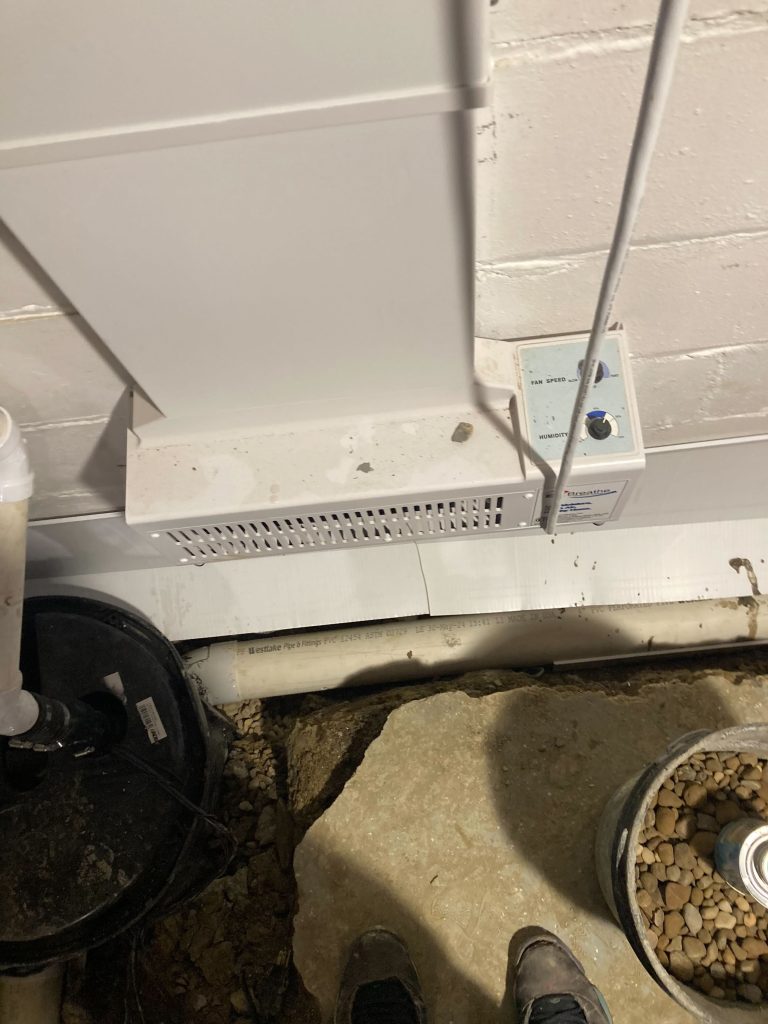
- Interior Drainage Systems: These systems collect water that enters the basement and direct it to a sump pump for removal.
- Exterior Waterproofing Methods: This approach involves applying a waterproof membrane to the exterior of the foundation to prevent water intrusion.
- Sump Pump Systems: Sump pumps are installed in a sump pit to remove accumulated water, preventing flooding in basements and crawl spaces.
| Waterproofing Method | Effectiveness | Ideal Use Case |
|---|---|---|
| Interior Drainage | High | Basements prone to water intrusion |
| Exterior Waterproofing | Very High | Homes with significant water exposure |
| Sump Pump Systems | High | Areas with high groundwater levels |
The table compares common waterproofing methods to help homeowners decide which approaches match their needs and site conditions.
Installation Processes
Installing waterproofing systems follows key steps to ensure effectiveness and compliance with local codes.
- Assessment of the Site: A thorough evaluation determines soil conditions, drainage patterns, and the best technical approach for installation.
- Preparation for Installation: Preparation can include excavation around the foundation or interior preparations for drainage and sump systems.
- Final Checks After Installation: A final inspection confirms that components function correctly and meet safety and performance expectations.
Understanding the installation process helps homeowners prepare for work on-site and ensures the chosen solution is implemented correctly.
Cost Considerations
Knowing costs for different flood solutions is essential for realistic budgeting and planning.
- Cost Variations Between Methods: Systems vary in price depending on material quality, installation complexity, and access to the foundation.
- Long-Term Benefits of Waterproofing: Investing in quality flood solutions reduces the likelihood of costly repairs from water damage over time.
- Importance of Budgeting for Repairs: Include potential repair costs for existing damage when planning your flood prevention strategy.
Weigh these cost considerations to choose solutions that fit your budget while providing adequate protection against flooding.
For more detailed information on basement waterproofing options, consult with qualified professionals who can assess your property.
When considering the types of waterproofing systems, make sure you understand how each method addresses specific aspects of flood prevention for your home.
Homeowners should also consider waterproofing as a practical measure to protect their homes from future water damage.