
Interior waterproofing protects basements from moisture and helps preserve foundation integrity. These solutions use established techniques to prevent water infiltration and maintain a dry, safe living space. This article reviews the effectiveness of interior waterproofing, its benefits and mechanisms, and how it compares with exterior methods. Basement moisture often leads to mold and structural problems, so understanding interior approaches helps homeowners choose appropriate maintenance and remediation. We outline key benefits, compare common methods, and explain their role in mold prevention and indoor air quality.
The critical role of waterproofing in protecting structures from leakage, dampness, and fungal growth is widely recognized.
Waterproofing: Preventing Leakage, Mold, and Structural Damage
Water leakage and seepage are major causes of common building defects. Leakage produces dampness, corrodes metals, encourages fungal growth, and can weaken concrete while harming a structure’s appearance. It can also create unhealthy living conditions. Preventing water leakage could eliminate nearly 80% of building defects. Selecting the appropriate waterproofing method is therefore vital to structural safety.
Comparative study of conventional and modern waterproofing techniques, AN Ghadge, 2016
 What Are the Key Benefits of Interior Basement Waterproofing Methods?
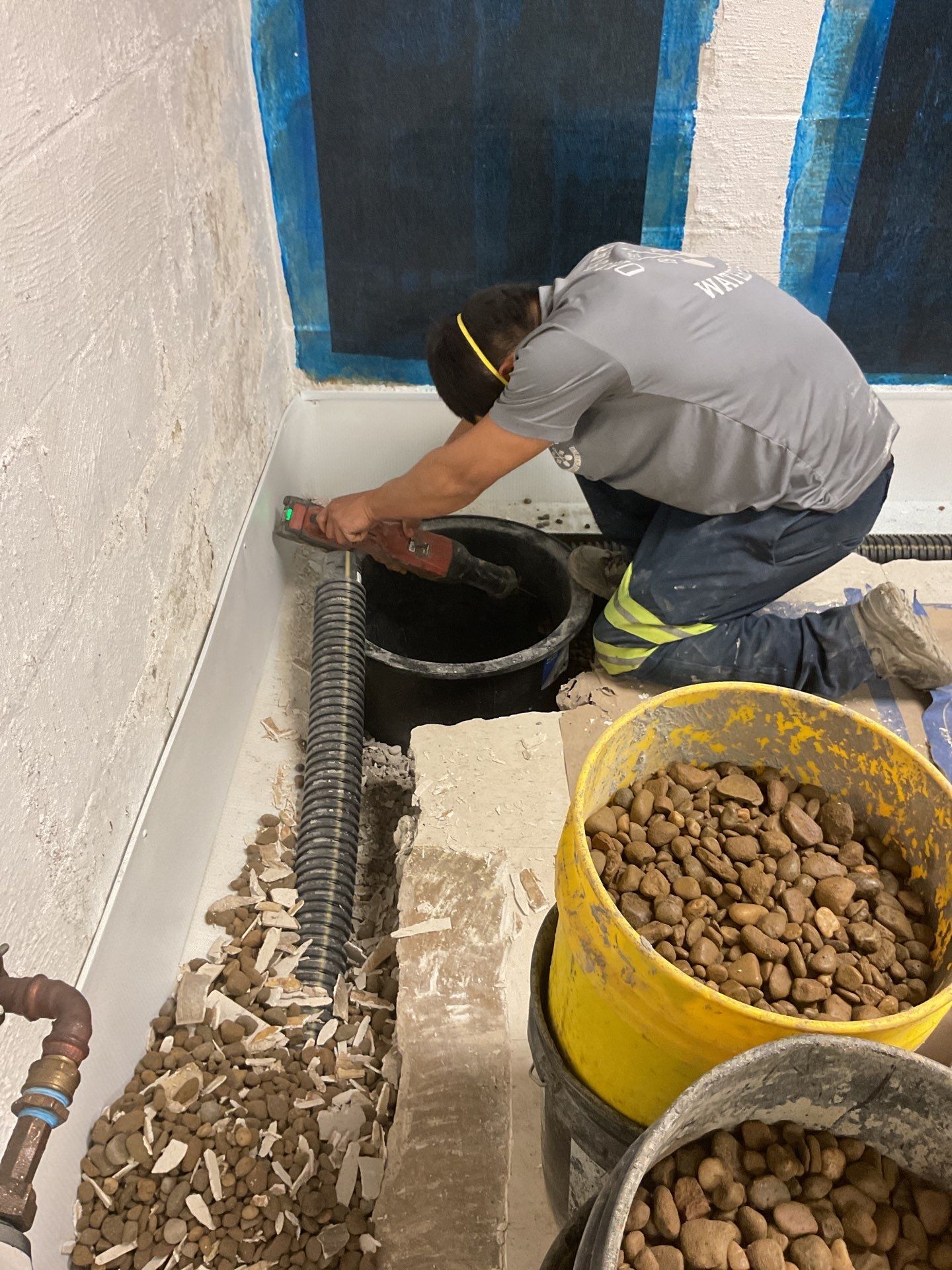
Interior basement waterproofing offers practical advantages for many homeowners. Key benefits include:
- Cost-Effectiveness: Interior solutions are generally less expensive than exterior methods, making them accessible to more homeowners.
- Quick Installation: These systems often install more rapidly than exterior options, minimizing household disruption.
- Improved Indoor Air Quality: By lowering moisture levels, interior waterproofing reduces mold risk and supports healthier indoor environments.
Ohio State Waterproofing provides basement waterproofing and foundation repair services for Ohio homeowners, offering solutions tailored to reduce moisture-related problems.
How Do Interior Drainage Systems Prevent Basement Water Damage?
Interior drainage systems collect and redirect water away from the foundation. They channel seepage through wall or floor drains into a sump pit, where a pump removes it from the home. This prevents accumulation that can cause long-term damage. When properly integrated, sump pumps help manage incoming water efficiently and keep the basement dry.
What Role Does Interior Sump Pump Installation Play in Moisture Control?
Sump pumps remove water from the basement by activating when water reaches a set level and pumping it away from the foundation. This prevents flooding and helps stabilize humidity, lowering mold risk. Regular maintenance is essential to keep pumps reliable as part of any interior waterproofing program.
Effective basement design and reliable control systems are essential for managing internal humidity and preventing moisture problems.
Basement Design for Internal Humidity Control
A control system and the precautions required for internal humidity control should be assessed before basement design begins. It is essential to consider the overall performance of that control system.
Water-Resisting Basement Construction: A Guide: Safeguarding New and Existing Basements against Water and Dampness, 1995
How Does Interior Waterproofing Compare to Exterior Waterproofing Solutions?
When evaluating waterproofing options, homeowners should understand how interior methods differ from exterior solutions and when each approach is appropriate.
What Are the Advantages of Interior Waterproofing Over Exterior Methods?
Interior waterproofing offers several advantages, such as:
- Less Intrusive: Interior systems typically require little or no excavation, avoiding disruption to landscaping and exterior features.
- Weather Flexibility: Interior work can proceed regardless of weather, making it a reliable year-round option.
These factors often make interior waterproofing a practical choice for homeowners addressing moisture issues without major exterior work.
When Is Interior Waterproofing the Preferred Choice for Ohio Homeowners?
Ohio homeowners commonly choose interior waterproofing when there is active water seepage or when exterior access is limited. Properties with restricted outside access or high water tables may benefit more from interior methods. The generally lower cost also appeals to homeowners who want to address moisture without extensive renovations.
How Does Interior Waterproofing Contribute to Mold Prevention and Indoor Air Quality?

Effective interior waterproofing helps prevent mold and improves indoor air quality by controlling moisture sources.
In What Ways Does Moisture Control Reduce Mold Growth Risks?
Reducing moisture makes the environment less hospitable to mold. Addressing leaks and maintaining lower humidity levels limit conditions that support fungal growth. Regular inspections and upkeep of waterproofing systems ensure continued protection against moisture intrusion.
How Does Improved Indoor Air Quality Result from Effective Waterproofing?
By minimizing moisture-related allergens and pollutants, effective waterproofing supports better indoor air quality. Drier basements benefit occupants with respiratory conditions or allergies and contribute to overall well-being.
What Is the Process and Cost of Interior Waterproofing Inspections and Installation?
Homeowners should understand the inspection and installation steps and the likely costs before committing to interior waterproofing.
What Should Homeowners Expect During a Free Interior Waterproofing Inspection?
A free interior waterproofing inspection typically includes a focused assessment of the basement for moisture and signs of damage. Inspectors evaluate foundation walls and floors, then provide a written plan recommending solutions tailored to the home’s needs. That plan identifies the most effective corrective actions.
How Do Costs Vary for Interior Drainage and Sump Pump Installation?
Costs vary with basement size, site conditions, and installation complexity. Typical totals for comprehensive interior waterproofing range from $1,500 to $5,000, depending on required services. Ohio State Waterproofing offers competitive pricing and tailored solutions for homeowners in the region.
| Service Type | Description | Estimated Cost |
|---|---|---|
| Interior Drainage System | Installation of drainage channels to redirect water | $1,500 – $3,000 |
| Sump Pump Installation | Installation of a sump pump to remove excess water | $500 – $2,000 |
| Comprehensive Waterproofing | Combination of drainage and sump pump systems | $2,500 – $5,000 |
The table summarizes services and estimated costs to help homeowners make informed decisions about waterproofing.






