Skip to content
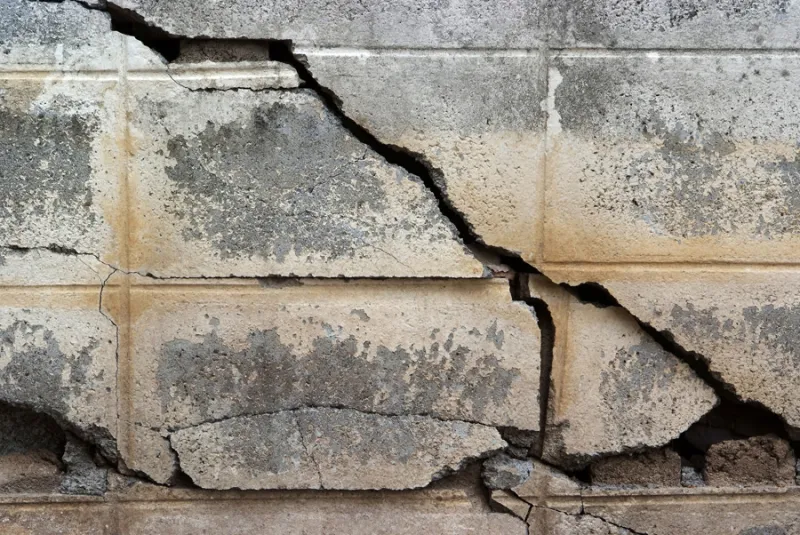


Noticing cracks in your basement walls can be alarming for any homeowner. While some cracks may appear small or harmless at first, others can signal deeper issues affecting the structure of your home.
Basement walls are constantly under pressure from the surrounding soil, and over time, this pressure can lead to cracks forming in the foundation. The challenge for many homeowners is understanding whether these cracks are simply cosmetic or signs of a more serious structural problem.
Knowing what basement wall cracks really mean can help you determine when to monitor the issue and when it is time to take action.
Because foundation problems rarely fix themselves, identifying the cause of cracks early is essential for protecting your home from long-term damage.
Key Takeaways
-
Basement wall cracks can be caused by pressure, settling, or water intrusion.
-
Some cracks are cosmetic, while others indicate structural issues.
-
Horizontal and widening cracks often signal serious foundation stress.
-
Water can enter through even small cracks in basement walls.
-
Professional foundation repair helps prevent long-term structural damage.
Why Basement Wall Cracks Form
Basement walls are designed to support the weight of the home while also resisting pressure from the surrounding soil.
Over time, several factors can contribute to cracks forming in these walls, including:
-
natural settling of the home
-
soil expansion and contraction
-
hydrostatic pressure from groundwater
-
temperature changes affecting materials
Because soil conditions constantly change throughout the year, foundation walls are exposed to ongoing stress.
Even well-built homes can develop cracks as materials shift and adapt to these conditions.
Types of Basement Wall Cracks
Not all cracks are the same. Understanding the type of crack can provide insight into what may be happening beneath the surface.
Vertical Cracks
Vertical cracks often appear as straight lines running up and down basement walls.
These cracks are commonly caused by normal settling of the home. In many cases, they are not immediately dangerous but can still allow water to enter the basement.
Over time, even vertical cracks should be monitored to ensure they do not widen.
Horizontal Cracks
Horizontal cracks are more concerning and often indicate significant pressure against the foundation wall.
These cracks are typically caused by soil pressure pushing inward on the wall.
If left unaddressed, horizontal cracks may lead to bowing walls or structural failure.
Stair-Step Cracks
Stair-step cracks usually appear in masonry walls, following the pattern of mortar joints between blocks.
These cracks are often caused by uneven settling or shifting soil beneath the foundation.
While some stair-step cracks may start small, they can expand over time if the underlying issue is not addressed.
Diagonal Cracks
Diagonal cracks may form when one part of the foundation settles differently than another.
These cracks can indicate uneven support beneath the home and may require professional evaluation.
When Basement Wall Cracks Become a Serious Problem
While some cracks may be minor, others can signal serious foundation issues that require immediate attention.
Warning signs that cracks may be structural include:
-
cracks wider than a quarter inch
-
cracks that continue to grow over time
-
horizontal cracks along basement walls
-
walls that appear bowed or leaning inward
-
water leaking through cracks
These signs suggest that pressure or movement is affecting the foundation.
Ignoring these issues can lead to more extensive damage over time.
How Water Makes Cracks Worse
Water is one of the biggest factors that can worsen basement wall cracks.
When moisture builds up in the soil around the foundation, it increases hydrostatic pressure. This pressure pushes against basement walls and forces water into existing cracks.
Over time, repeated exposure to moisture can:
-
widen cracks
-
weaken structural materials
-
lead to mold growth
-
cause additional foundation movement
Even small cracks can become larger problems if water continues to enter the foundation.
The Connection Between Soil Pressure and Foundation Damage
Soil surrounding a home is not static. It expands when wet and contracts when dry.
This constant movement places stress on foundation walls.
In areas with clay-heavy soil, expansion can be especially significant. When soil absorbs water, it can push against basement walls with considerable force.
This pressure can eventually cause:
-
horizontal cracking
-
bowing basement walls
-
structural weakening
Understanding this connection helps explain why foundation cracks often appear after periods of heavy rain or seasonal changes.
Can Basement Wall Cracks Be Repaired?
Yes, basement wall cracks can be repaired, but the solution depends on the type and severity of the crack.
Common repair methods include:
-
epoxy injections for structural reinforcement
-
flexible sealants for minor cracks
-
wall stabilization systems for bowing walls
-
carbon fiber reinforcement for added strength
The goal of professional repair is not only to seal the crack but also to address the underlying cause of the problem.
Without addressing soil pressure or water intrusion, cracks may reappear over time.
Why DIY Crack Repairs Often Fall Short
Many homeowners attempt to repair cracks using store-bought sealants or patching materials.
While these solutions may temporarily block water, they usually do not address the root cause of the crack.
If hydrostatic pressure or soil movement continues, the crack may reopen or new cracks may develop.
Professional foundation repair focuses on both sealing the crack and stabilizing the structure to prevent future damage.
Protecting Your Foundation From Future Damage
Preventing further foundation damage involves managing both water and soil conditions around the home.
Homeowners can take steps such as:
-
maintaining proper drainage around the foundation
-
keeping gutters and downspouts clear
-
monitoring cracks for changes over time
-
controlling basement moisture levels
In many cases, combining foundation repair with basement waterproofing provides the most effective long-term protection.
Conclusion
Basement wall cracks are a common issue, but they should never be ignored. While some cracks may result from normal settling, others can indicate serious pressure or movement affecting the foundation.
Understanding the type and cause of cracks is essential for determining the right course of action.
Water intrusion, soil pressure, and structural movement all play a role in the development of basement wall cracks. Addressing these factors early can help prevent more extensive damage in the future.
Professional foundation repair and waterproofing solutions provide long-term protection by stabilizing the structure and managing groundwater effectively.
For homeowners concerned about cracks in their basement walls, taking action early can help protect both the safety and value of their home.
FAQs
Are basement wall cracks normal?
Some small cracks are common due to normal settling, but larger or growing cracks may indicate structural issues.
Which cracks are the most serious?
Horizontal cracks and widening cracks are often signs of significant pressure on the foundation and should be evaluated by a professional.
Can basement wall cracks cause leaks?
Yes. Even small cracks can allow water to enter the basement, especially when hydrostatic pressure builds up outside the foundation.
When should I call a foundation repair specialist?
Homeowners should seek professional evaluation if cracks are growing, wider than a quarter inch, or accompanied by water intrusion.