
Flashy amenities are out, and practical features that enhance daily living are in—so says the modern tenant. The multi-family landscape is continually shifting, and so are its design priorities. Modern tenants seek more than just a place to call home; they want a living space that aligns with their lifestyle and enhances their daily routine. While high-end perks such as rooftop pools and concierge services still have their place, the amenities that truly resonate with tenants in 2026 and beyond focus on convenience, smart technology, and functional design.
As homeownership becomes less attainable, or delayed, due to rising property prices and interest rates, many prospective homeowners are choosing to rent or purchase condominiums—particularly in mixed-use and multi-family developments. The increase in hybrid and remote work also leads to a significant number of tenants spending a considerable amount of time at home. This shift has made it more important than ever for building plans to integrate practical amenities that enhance everyday living. As luxury amenities take a backseat to those that generate revenue, maximize space, and meet tenants’ immediate needs, architects, engineers, and specifiers have a unique opportunity to help developers think more strategically about amenity programming through a performance-driven lens. This includes identifying opportunities where thoughtful design can solve persistent pain points for both residents and property managers—such as the integration of private, secure, on-site storage as a core building amenity.
Why do residents want on-site storage?
Limited space is a common trade-off in apartment and condominium living. With people moving in or out and storing furniture, and residents struggling to organize seasonal items, outdoor gear, or bulkier belongings, limited square footage demands smarter, more efficient storage that doesn’t crowd apartments. Though available, off-site solutions tend to be costly, inconvenient, and disconnected from residents’ daily routines. Incorporating private and secure on-site storage into multi-family buildings addresses this challenge directly, offering a practical, accessible solution for residents that supports functionality without compromising living space.
Luxury amenities, such as on-site gyms, waterfall pools, game rooms, coffee/refreshment bars, package lockers, bark parks, used to serve as the main selling point, but are now an extra cost that residents may not want or be able to pay. Storage is not an extravagance—it is a necessity to maintain a functional, clutter-free living environment. Increasingly, many tenants are willing to pay a premium for the convenience of private in-building storage, making it a value-added feature that enhances the user experience and overall property appeal.
The ‘how’ of storage integration
Integrating on-site storage into multi-family projects is both a technical opportunity and a design responsibility. With access to storage becoming a critical factor in tenant decisions on where to rent or own, thoughtful specification and installation are crucial, helping projects meet resident needs while supporting operational goals.
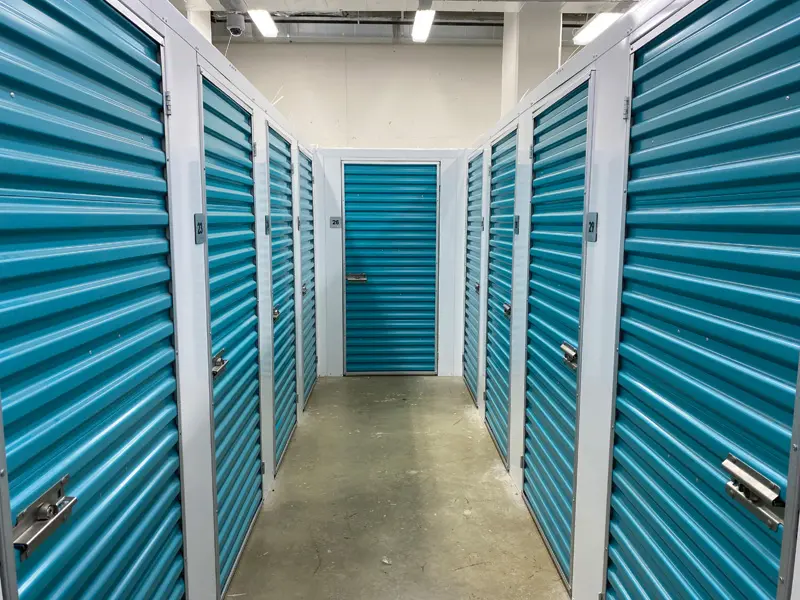
Modular storage units ranging from 1.85 to 9 m2 (20 to 100 sf) are most effective when coordinated during the design process to optimize placement within the building’s overall programming. This ensures accessibility and addresses supporting requirements such as lighting, ventilation, and fire safety.
During the design and construction process, storage installers can collaborate with architects, developers, and contractors to review or modify plans as needed to meet project-specific needs. Storage designers can be brought in later as a value-engineered alternative to planned storage solutions. For example, coordination with MEP teams can help ensure storage spaces maintain the required clearances for fire sprinklers (typically 457 mm [18 in.] minimum, per the National Fire Protection Association (NFPA) 13 fire code requirement) and comply with ventilation standards to mitigate moisture, thereby preserving stored items. Roll-up doors, for instance, are a useful solution in areas where there is not enough space for swinging doors. Accessibility should follow Americans with Disabilities (ADA) guidelines, including hallway requirements and turning radius, as well as provide sufficient clearance and user-friendly hardware.
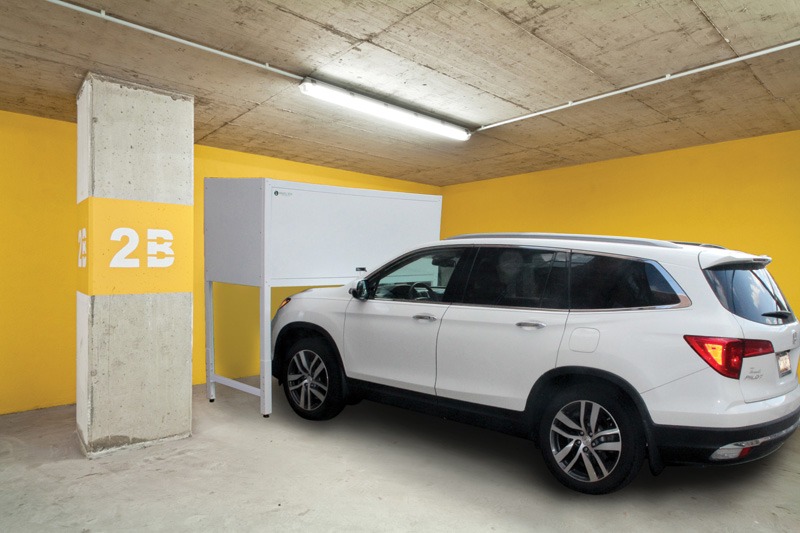
Additionally, storage solutions are “dead space” friendly, meaning they can often be installed relatively easily in underused areas of existing multi-family buildings, such as parking garages or basements, and can be customized to fit unique spatial requirements and site conditions. By transforming these overlooked areas into functional, tenant-serving amenities, storage helps design teams add long-term functional value and support building performance by improving space utilization and enhancing operational efficiency.
Prioritize quality and performance
When designing on-site storage for multi-family storage, quality matters—it is crucial to go beyond simply installing the same old wire mesh when there are better options available on the market. While residents crave additional space, they also value privacy, security and aesthetics, factors that directly impact how these amenities are used and perceived. Traditional wire mesh storage units may be a cost-effective solution, but they often fail to provide the level of security residents expect, as they fail to shield personal items from view, leaving valuable possessions vulnerable to theft. They are also limited by standard sizes and tend to leave valuable space unused. Other options allow for more customized sizes, shapes, and layouts to maximize all available square footage. By incorporating solid wall panels and solid lockable doors, especially integrated locks that avoid the security risk of padlocks, architects, designers, and specifiers can elevate the security of storage areas, meeting client expectations.
Beyond performance, material and design choices also shape the tenant experience. No one wants to store their belongings in drab, dark, dungeon-like spaces—and storage areas that feel like an afterthought can detract from an otherwise well-designed property. Options that have design and size flexibility outside of the standard dimensions of prefabricated lockers take advantage of all usable space. Lighting, finish options, and ventilation should be top of mind alongside layout and access to ensure storage spaces feel like an integrated part of the building’s design. Collaborating with storage solutions providers that offer color and configuration options allows storage areas to visually align with the property’s overall design narrative, using consistent finishes and intuitive layouts to reinforce brand cohesion and support clear, user-friendly wayfinding. Thoughtful detailing can signal a commitment to resident well-being while enhancing the building’s value and long-term usability. Materials such as galvanized steel can provide corrosion resistance and longevity, while hardware selections should consider tamper resistance and durability.
As the multi-family market continues to shift, the demand for amenities that serve everyday needs is reshaping how multi-family properties are designed and programmed. The appeal of shiny luxury amenities that drive up cost but often go unused has worn off, and more tenants are drawn to practical features that offer both functionality and convenience. With remote and flexible work arrangements on the rise, multi-family properties that focus on essential, functional amenities are gaining the upper hand.
This shift presents an opportunity for architects, engineers, and specifiers to lead amenity planning with purpose. On-site storage solutions, when thoughtfully integrated, address real spatial challenges for residents, support operational efficiency, and enhance a property’s market appeal. From modular layouts in parking garages and basement levels to material selections that support safety and durability; design professionals are uniquely positioned to guide clients toward smarter, amenity strategies—all while helping multi-family properties meet the evolving expectations of today’s tenants.
Author

Lindsay Steiner is the co-founder of Bradyl Storage Solutions, which has provided multi-family storage solutions since 2009, offering private, customizable, and cost-competitive storage systems for clients across the United States. Bradyl Storage Solutions is a locally owned and operated small family business based in Chevy Chase, Md., dedicated to meeting the unique needs of property managers, general contractors, architects, and real estate developers.
Key Takeaways
As tenant expectations evolve, multi-family design is shifting away from underused luxury amenities toward practical, performance-driven features. Private, secure on-site storage addresses real space constraints, supports daily living, and generates long-term value. When thoughtfully integrated into building plans, storage enhances resident satisfaction, improves space usage, and aligns with operational and revenue goals.