You’re probably thinking about your next big home improvement project. Have you ever considered basement waterproofing? It’s more than just preventing a few leaks. It’s about safeguarding your home’s foundation, enhancing your property value, and promoting a healthier living environment. Not to mention the potential savings on energy costs and future repair bills. Intriguing, isn’t it? Let’s discuss why taking this step might be one of the best investments you can make for your home.
Key Takeaways
- Basement waterproofing protects the home from structural damage, preserving its integrity and reducing potential costly repairs.
- Waterproofing increases the property value, serving as a selling point in real estate and enhancing long-term appreciation.
- It enhances indoor air quality by preventing mold growth, promoting a healthier living environment and reducing health hazards.
- Waterproofing can lead to significant savings on energy bills by maintaining steady indoor temperatures, increasing the home’s overall energy efficiency.
- The initial cost of waterproofing is offset by long-term savings on structural repairs and insurance premiums, yielding a high return on investment.
Understanding Basement Waterproofing
Everyone should understand the importance of basement waterproofing. It’s not just about keeping your basement dry; it’s about protecting your home’s overall health.
You’re not only preventing potential water damage but also creating a healthier environment by reducing mold and mildew.
One of the key elements in basement waterproofing is installing a proper basement drainage system. This isn’t just digging a trench around your basement walls.
You need a system that captures water from both the walls and the floor, directing it away from your basement and home. It’s best to hire a professional to guarantee the system is installed correctly, as a poorly installed system can cause more problems than it solves.
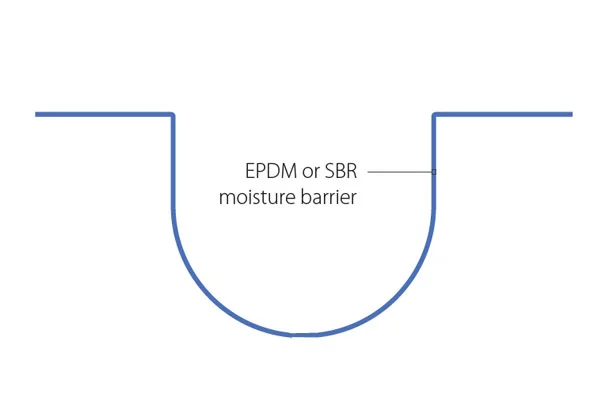
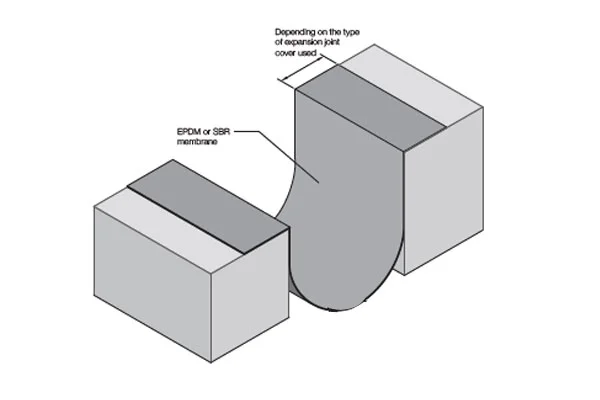
Another crucial component is moisture barriers. These are materials installed on the walls and floor of your basement to prevent moisture from seeping into your home.
They can be as simple as a coat of waterproof paint or as complex as a sheet of plastic or rubber.
Protecting Your Home’s Foundation
A strong foundation is the backbone of your home. It’s what keeps everything upright, stable, and secure. Protecting this vital component from water damage through basement waterproofing is a wise investment. You’re not just preserving your home’s integrity; you’re also warding off potential costly repairs down the line.
Foundation drainage and moisture control are two key elements in this protection process. Improper drainage can lead to water pooling around your home’s base, causing structural damage over time. On the other hand, effective moisture control prevents the growth of mold and mildew, which can compromise the health of your family and the value of your home.
Consider this table for a better understanding:
| Key Element | Purpose | Impact |
|---|---|---|
| Foundation Drainage | Redirects water away from the home | Prevents water damage and structural issues |
| Moisture Control | Keeps dampness in check | Prevents mold growth and maintains indoor air quality |
| Basement Waterproofing | Combines drainage and moisture control | Protects the home’s foundation and increases property longevity |
Enhancing Property Value
While protecting your home’s foundation is essential for its structural integrity, it’s also a smart way to boost your property value.
A waterproofed basement isn’t just a safeguard against potential damage, it’s a selling point that can greatly increase your home’s resale potential.
In today’s market trends, buyers are looking for homes that require little to no renovation. They’re drawn to properties with features that offer peace of mind.
A waterproofed basement serves as a tangible proof of the home’s well-maintained condition, which adds to its renovation appeal.
To further highlight the value of waterproofing your basement, consider these points:
- Increased Living Space: A dry basement can be used as an extra room, enhancing the home’s functionality and appeal.
- Reduced Insurance Claims: Waterproofing minimizes the risk of water damage, reducing the need for insurance claims.
- Low Maintenance Costs: A waterproofed basement means less expenditure on repairs and maintenance.
- Adaptability to Buyer Preferences: Prospective buyers may have different plans for the basement space, and waterproofing makes it adaptable for any use.
Preventing Health Hazards
Did you know that a damp, unsealed basement can pose serious health risks? It’s true. Without proper waterproofing, your basement becomes a breeding ground for harmful organisms, particularly mold.
This mold growth isn’t just unsightly; it’s also dangerous. Mold spores can easily make their way into your home’s ventilation system, drastically reducing your indoor air quality.
Breathing in these mold spores can lead to a variety of health issues, from mild allergic reactions to severe respiratory problems. Common symptoms include a runny nose, itchy eyes, and coughing, but long-term exposure can be far more serious. In some cases, it can even lead to chronic lung illnesses.
Waterproofing your basement isn’t just about preventing damage to your home—it’s about protecting your family’s health. By sealing off potential entry points for water, you’re also blocking off entry points for mold and other harmful organisms.
This simple step can have a huge impact on your home, improving your indoor air quality and reducing the risk of health issues associated with mold exposure. It’s an investment in your home, and more importantly, in your health.
Reducing Energy Costs
You mightn’t realize it, but a poorly waterproofed basement can be a real energy sucker.
It’s an often-overlooked factor in your home’s overall energy efficiency. Waterproofing your basement isn’t just about keeping out unwanted water, it’s also about reaping insulation benefits and driving down those sky-high energy bills.
When rainwater or moisture seeps into your basement, it makes your heating and cooling systems work harder. This results in increased energy consumption and, consequently, higher utility bills.
By waterproofing your basement, you’re creating a barrier that helps maintain a steady temperature in your home, reducing the need for excessive heating or cooling.
The benefits of a properly waterproofed basement extend beyond just keeping it dry.
Here are some energy-cost reducing benefits:
- Improves your home’s energy efficiency
- Reduces the strain on your HVAC system
- Contributes to a more comfortable, consistent indoor climate
- Translates into significant savings on your energy bills
Maximizing Usable Space
Transforming your damp, unused basement into a dry, usable space can do wonders for your home’s overall functionality. Waterproofing your basement opens up a world of basement design possibilities. You could utilize it for storage solutions, freeing up the rest of your living space.
Your basement could also be transformed into recreational areas. Imagine having a home gym or a playroom for your kids. This would give you the convenience of these facilities without needing to leave your home.
Another great idea is to turn your basement into a home office or an entertainment zone. Working from home will be more productive in a dedicated space. In addition, your family and friends will enjoy a cozy movie night in your new entertainment zone.
Here’s a quick look at the potential uses of your basement:
| Potential Use | Benefit | Keyword |
|---|---|---|
| Storage | Frees up living space | Storage solutions |
| Recreational Area | Convenience of home facilities | Recreational areas |
| Home Office / Entertainment Zone | Increased productivity and fun | Home office, Entertainment zone |
Waterproofing your basement truly maximizes its potential, providing you with a more functional, enjoyable home.
The Long-Term Savings
Beyond offering additional functional space, waterproofing your basement presents an opportunity for significant long-term savings. It’s an investment that pays for itself over time, and here’s why:
Firstly, waterproofing offers an effective solution for moisture control. When you limit moisture in your basement, you’re reducing the chance of costly damages from water-related issues like rusting metal, rotting wood, and peeling paint.
Secondly, moisture control leads directly to mold prevention. Damp conditions are a breeding ground for mold, which can lead to serious health problems and expensive remediation. By waterproofing your basement, you’re taking a proactive step to prevent mold growth.
Below are some additional benefits that underscore the financial wisdom of basement waterproofing:
- Increased property value: A waterproof basement is a strong selling point, making your home more appealing to potential buyers.
- Energy savings: A wet basement can cause your heating and cooling costs to skyrocket. Waterproofing can help keep those costs down.
- Fewer repairs: Over time, water damage can lead to costly structural repairs. Waterproofing helps you avoid those expenses.
- Lower insurance claims: Water damage is a common reason for homeowners’ insurance claims. By preventing water damage, you can potentially reduce your premiums.
Investing in basement waterproofing isn’t only smart; it’s cost-effective. You’re not just protecting your home; you’re saving money in the long run.
Frequently Asked Questions
What Is the Average Cost of Basement Waterproofing Services?
You’re probably curious about the average cost of basement waterproofing services. It ranges from $500 to $10,000 – a wide span, indeed!
But remember, several cost factors influence this, like the service types you opt for and the severity of your basement’s water issues.
It’s smart to get estimates from different companies to guarantee you’re getting a good deal.
Investing in basement waterproofing is money well spent for your home’s longevity.
How Long Does the Basement Waterproofing Process Typically Take?
You’re curious about how long basement waterproofing takes.
Typically, it’s a process that can range from a few days to a week, depending on the size and condition of your basement.
It’s worth noting, however, the benefits far outweigh the time spent.
You’ll see a dramatic reduction in basement humidity and reap the waterproofing benefits like preventing damage to your home’s foundation and improving overall air quality.
It’s a smart move for any homeowner.
Can I Perform Basement Waterproofing Myself, or Do I Need a Professional?
While you can certainly explore DIY techniques for basement waterproofing, it’s not recommended for beginners.
Hiring a professional guarantees the job gets done right, potentially saving you money in the long run.
Remember, poorly done waterproofing can lead to more serious issues like structural damage.
What Are the Indications That My Basement Needs Waterproofing?
If you’re noticing water damage like mold, mildew, or damp spots on your walls, it’s a clear sign your basement needs waterproofing.
You may also see water pooling or feel excess humidity.
These issues aren’t just bothersome; they can cause serious structural damage.
Investing in moisture control through waterproofing will save you a lot of trouble and expense down the line.
Don’t ignore these signs – it’s time to take action.
Does Homeowners Insurance Typically Cover Basement Waterproofing Expenses?
Generally, your homeowner’s insurance policy won’t cover basement waterproofing expenses.
It’s designed to tackle unexpected disasters, not maintenance issues. Waterproofing is often seen as a preventive measure, which falls under your responsibility.
Check your policy’s coverage limits and exclusions carefully. If you’ve experienced water damage due to specific incidents like a burst pipe, you might be covered.
However, routine waterproofing typically isn’t included. It’s best to consult with your insurance provider for precise details.
Conclusion
So, you see, investing in basement waterproofing isn’t just about avoiding water damage. It’s about protecting your home’s foundation, boosting property value, preventing health risks, cutting energy costs, and maximizing usable space. Plus, the long-term savings are undeniable. Don’t wait for a problem to arise, be proactive. Remember, a stitch in time saves nine. Basement waterproofing is a homeowner’s best investment. Trust me, your future self (and wallet) will thank you.