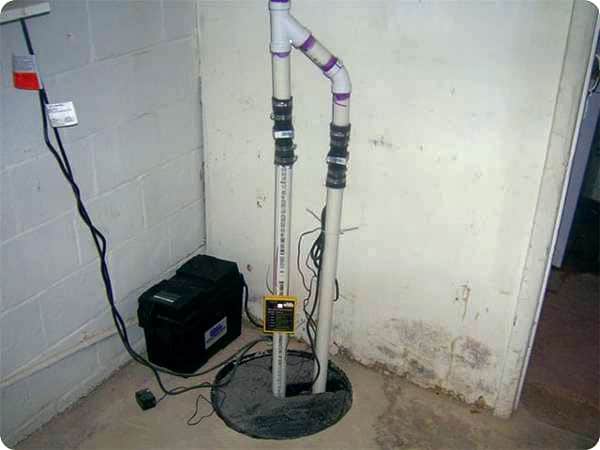
A constantly running sump pump can be a source of concern for homeowners, indicating potential issues with basement drainage or water intrusion. Understanding the reasons behind this phenomenon is crucial for effective management and prevention. This article will explore the common causes of a constantly running sump pump, when it signals a problem, and how proper basement waterproofing can mitigate these issues. Additionally, we will provide essential maintenance tips to ensure your sump pump operates efficiently. By the end, you will have a comprehensive understanding of sump pump operation and the steps you can take to maintain a dry basement.
What Are the Common Causes of a Constantly Running Sump Pump?
A sump pump running constantly can be attributed to several factors, primarily related to water management in your basement. One significant cause is hydrostatic pressure, which occurs when groundwater exerts pressure on the foundation, leading to water seepage. This pressure forces the sump pump to work overtime to keep the basement dry. Additionally, foundation cracks can allow water to enter, further increasing the pump’s workload. Drainage failures, such as clogged or improperly installed drainage systems, can also contribute to the problem, as they prevent water from being diverted away from the foundation.
Indeed, studies have been conducted to quantify the effectiveness of sump pumps in mitigating such water intrusion.
Residential Sump Pump Effectiveness for Infiltration/Inflow Reduction
City of Columbus, Ohio has chosen a source control approach to solve wet weather sanitary sewer overflow problems and achieve Ohio EPA consent decree requirements. The source control approach includes lining private sanitary laterals, redirecting roof downspouts to streets, and installing voluntary sump pumps in residential homes. Past studies and monitoring have demonstrated the effectiveness of lateral lining on reducing private source infiltration/inflow (I/I), however not sufficient monitoring has been performed on effectiveness of sump pump. Prior to implementing the sump pump program in full scale, City of Columbus conducted a pilot project of 118 sump pump installation with 25 sump pumps being monitored for over 18-months since November 2016. The monitoring program is to quantify peak I/I reduction and explore ways to improve sump pump effectiveness.
Monitoring Effectiveness of Sump Pump on Reducing Private Infiltration/Inflow, 2018
How Does Poor Basement Drainage Affect Sump Pump Operation?
Poor basement drainage can severely impact sump pump operation by causing water to accumulate around the foundation. When drainage systems fail, water can pool, increasing hydrostatic pressure and forcing the sump pump to activate more frequently. This constant operation can lead to wear and tear on the pump, reducing its lifespan and efficiency. Homeowners should regularly inspect their drainage systems to ensure they are functioning correctly and to prevent excessive strain on the sump pump.
Why Does a High Water Table Cause Frequent Sump Pump Cycling?
A high water table can lead to frequent sump pump cycling due to the increased groundwater pressure. When the water table rises, it creates a constant influx of water into the sump pit, prompting the pump to activate more often. This situation can be exacerbated during heavy rainfall or snowmelt, as the groundwater levels can rise rapidly. Homeowners in areas with high water tables should be particularly vigilant about their sump pump’s operation and consider additional drainage solutions to manage groundwater effectively.
When Is Constant Sump Pump Operation a Sign of a Problem?
While some sump pump activity is normal, constant operation can indicate underlying issues that require attention. Homeowners should be aware of specific signs that suggest their sump pump may need repair or replacement. For instance, if the pump runs continuously without a break, it may be struggling to keep up with water intrusion. Unusual noises, such as grinding or rattling, can also signal mechanical problems that need to be addressed. Additionally, slow drainage can indicate that the pump is not functioning efficiently, potentially leading to water damage in the basement.
What Are the Signs Your Sump Pump Needs Repair or Replacement?
Several indicators can help homeowners determine if their sump pump requires repair or replacement. Key signs include:
- Constant Running: If the sump pump runs continuously without stopping, it may be overwhelmed by water intrusion or malfunctioning.
- Grinding Noises: Unusual sounds can indicate mechanical failure or debris obstructing the pump’s operation.
- Increased Energy Bills: A sump pump that runs excessively can lead to higher electricity costs, signaling inefficiency.
Recognizing these signs early can help prevent more significant issues and costly repairs down the line.
How Can Excessive Sump Pump Noise Indicate Underlying Issues?
Excessive noise from a sump pump can be a warning sign of underlying issues. Common causes of noise include mechanical failure, such as a worn-out motor or damaged impeller, which can hinder the pump’s performance. Additionally, if the pump is not installed correctly, it may vibrate excessively, leading to noise. Homeowners should address these issues promptly to avoid further damage and ensure the pump operates efficiently.
How Can Basement Waterproofing Reduce Sump Pump Overactivity?
Basement waterproofing plays a crucial role in reducing sump pump overactivity by preventing water intrusion and minimizing the pump’s workload. Effective waterproofing solutions can help manage water entry, ensuring that the sump pump only activates when necessary. By addressing potential entry points for water, homeowners can significantly reduce the frequency of sump pump operation, prolonging its lifespan and improving overall basement conditions.
What Basement Waterproofing Methods Help Manage Water Intrusion?
Several basement waterproofing methods can effectively manage water intrusion and reduce the burden on sump pumps. These methods include:
- Interior Drainage Systems: These systems collect water from the basement and direct it to the sump pump, preventing water accumulation.
- Foundation Crack Repair: Sealing cracks in the foundation can prevent water from seeping in, reducing the need for sump pump activation.
- Exterior Waterproofing: Applying waterproof coatings or membranes to the exterior of the foundation can help keep water out and maintain a dry basement.
Implementing these methods can create a more effective barrier against water intrusion, allowing the sump pump to function optimally.
How Does Professional Waterproofing Lower Sump Pump Load?
Professional waterproofing services can significantly lower the load on sump pumps by providing comprehensive solutions tailored to each home’s needs. These services often include thorough inspections, identifying potential problem areas, and implementing effective waterproofing strategies. By minimizing water entry and ensuring proper drainage, professional waterproofing can enhance the efficiency of sump pumps, reducing their operational frequency and extending their lifespan.
What Are Essential Sump Pump Maintenance Tips to Prevent Constant Running?
 Regular maintenance is vital for ensuring that sump pumps operate efficiently and do not run constantly. Homeowners should follow essential maintenance tips to keep their sump pumps in optimal condition. These tips include:
- Regular Inspections: Homeowners should inspect their sump pumps at least once a year to ensure they are functioning correctly and to identify any potential issues.
- Routine Cleaning: Keeping the sump pit clean and free of debris can prevent clogs and ensure proper water flow.
- Testing the Pump: Periodically testing the sump pump by pouring water into the pit can help ensure it activates and functions as intended.
By adhering to these maintenance practices, homeowners can prevent constant sump pump operation and protect their basements from water damage.
How Often Should You Inspect and Maintain Your Sump Pump?
Homeowners should inspect and maintain their sump pumps at least once a year. Regular inspections can help identify potential issues before they escalate, ensuring that the pump operates efficiently. Additionally, seasonal checks before heavy rainfall or snowmelt can help prepare the sump pump for increased water flow, reducing the risk of overactivity.
What Simple Troubleshooting Steps Can Homeowners Take?
Homeowners can take several simple troubleshooting steps to ensure their sump pumps are functioning correctly. These steps include:
- Check the Float Switch: Ensure the float switch is not stuck or obstructed, as this can prevent the pump from activating.
- Inspect the Discharge Line: Ensure the discharge line is clear of obstructions and directing water away from the foundation.
- Test the Power Supply: Verify that the pump is receiving power and that the circuit breaker has not tripped.
By following these troubleshooting steps, homeowners can address minor issues before they lead to more significant problems with their sump pumps.
To ensure your basement remains dry and protected, consider basement waterproofing services. These services can provide long-term solutions to prevent water intrusion and maintain a healthy living environment.