Skip to content
Executive Summary
The South-Eastern Asia building seismic joints market is a critical component of the region’s construction safety and resilience infrastructure. Characterized by increasing regulatory stringency, rapid urbanization, and a heightened focus on disaster risk reduction, the market is transitioning from a niche engineering consideration to a mainstream construction imperative. This report provides a comprehensive 2026 baseline analysis and a strategic forecast to 2035, examining the interplay of demand drivers, supply dynamics, trade flows, and competitive strategies that will define the sector’s evolution.
Growth is fundamentally underpinned by the region’s acute seismic vulnerability, situated along the Pacific Ring of Fire, coupled with an unprecedented pace of high-rise and critical infrastructure development. The market is no longer solely reactive to major seismic events but is increasingly driven by proactive building codes, international investment standards, and lifecycle cost-benefit analyses that favor resilient construction. This shift is creating sustained, structural demand across both new build and the complex retrofit segments.
The competitive landscape is bifurcating, with global engineering material specialists competing against regional manufacturers and specialized contractors. Success hinges on technical certification, integration with broader structural systems, and the ability to navigate diverse national regulatory environments. The outlook to 2035 points towards market consolidation, technological innovation in materials and monitoring systems, and the rising importance of sustainable and multi-hazard resilient joint solutions.
Market Overview
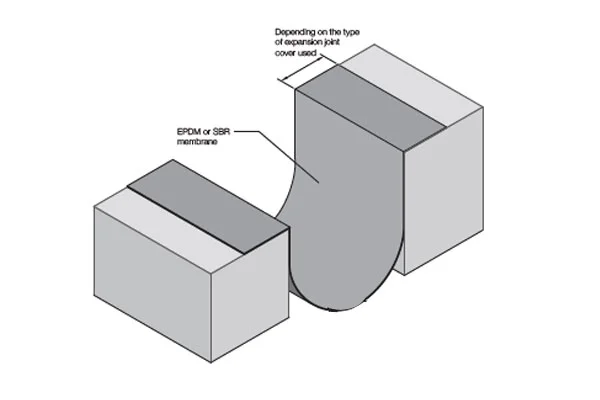
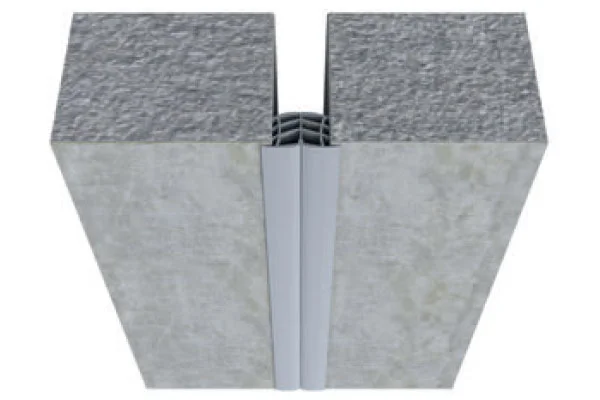
The South-Eastern Asia building seismic joints market encompasses the design, supply, and installation of specialized structural components that allow controlled movement between building segments during seismic events, thermal expansion, and wind sway. These systems are integral to preserving structural integrity, preventing catastrophic failure, and ensuring occupant safety in mid- to high-rise buildings, long-span structures, bridges, and critical infrastructure like hospitals and data centers. The market’s scope includes various joint types, such as expansion joints, isolation bearings, dampers, and sealants, along with associated design services.
Geographically, the market is concentrated in nations with high urbanization rates and significant seismic exposure, including Indonesia, the Philippines, Vietnam, Thailand, and Malaysia. Market maturity and penetration vary considerably, closely correlated with the enforcement level of national building codes. Indonesia and the Philippines, facing the most direct and frequent seismic threats, represent the most advanced and regulation-driven markets. In contrast, other nations exhibit growth potential tied to code updates and increasing developer awareness.
The market’s value chain is multifaceted, involving raw material suppliers (elastomers, metals, polymers), component manufacturers, specialized engineering firms, distributors, and certified installation contractors. The integration of seismic joint systems is typically managed by main contractors or specialized sub-contractors, with specifications heavily influenced by structural engineers and increasingly, by project financiers requiring international resilience standards. This complexity makes the market both technical and relationship-driven.
Demand Drivers and End-Use
Demand for building seismic joints in South-Eastern Asia is propelled by a confluence of regulatory, economic, and risk-awareness factors. The primary and non-negotiable driver is the region’s geophysical reality. South-Eastern Asia sits astride major tectonic plate boundaries, making it one of the world’s most seismically active regions. This inherent risk translates into a fundamental, long-term need for seismic resilience measures in the built environment, creating a perpetual underlying demand driver.
Regulatory evolution acts as the key market accelerant. National governments, spurred by past disaster lessons and international best practices, are progressively strengthening and enforcing building codes. The adoption and mandatory application of standards akin to the International Building Code (IBC) or Eurocode 8 principles are becoming more common, particularly for public infrastructure, high-occupancy buildings, and structures deemed essential. This regulatory push transforms seismic joints from an optional premium feature to a code-compliant necessity, directly expanding the addressable market.
Economic development and urbanization patterns shape the volume and nature of demand. The relentless growth of metropolitan areas like Jakarta, Manila, Bangkok, and Ho Chi Minh City drives the construction of high-rise residential, commercial, and mixed-use towers, which are inherently more susceptible to seismic forces and require sophisticated joint systems. Furthermore, large-scale investments in transportation infrastructure (airports, rail stations, bridges), energy facilities, and telecommunications hubs—often funded by multilateral development banks with stringent safety protocols—constitute a major, high-value end-use segment.
Increasing risk literacy among stakeholders is a subtle yet powerful demand driver. Property developers and owners are increasingly cognizant of the long-term economic benefits of resilient buildings, including lower insurance premiums, reduced business interruption risk, and higher asset valuation. Institutional investors and real estate investment trusts (REITs) are incorporating resilience criteria into their due diligence. This financialization of safety is creating a commercial, rather than purely regulatory, incentive for superior seismic performance, including the specification of high-grade joint systems.
The end-use market can be segmented into:
- New Construction: The dominant segment, driven by urban development and infrastructure megaprojects. Demand here is for integrated, design-stage solutions.
- Retrofit & Rehabilitation: A growing segment focused on upgrading existing, often vulnerable, building stock. This includes public buildings, older hotels, and heritage structures, presenting unique technical and logistical challenges.
- Critical Infrastructure: A high-specification segment encompassing hospitals, emergency response centers, data centers, and utility plants, where operational continuity post-event is paramount.
Supply and Production
The supply landscape for seismic joints in South-Eastern Asia is characterized by a mix of international imports and nascent regional manufacturing. High-specification, proprietary systems—particularly advanced isolation bearings, viscous dampers, and complex metal-to-metal expansion joints—are predominantly supplied by established global engineering firms. These companies leverage their extensive R&D, global testing credentials, and experience from seismic zones like Japan, New Zealand, and the United States to command a premium position, especially in flagship projects and critical infrastructure.
For more standardized products, such as certain elastomeric bearing pads, modular expansion joint systems, and sealing profiles, regional manufacturing has gained traction. Local production offers advantages in cost competitiveness, shorter lead times, and better adaptability to local construction practices and price sensitivity. Countries with stronger industrial bases, such as Thailand and Malaysia, have seen the emergence of domestic suppliers that cater to regional projects and the mid-tier market segment, often in partnership or under license from international technology holders.
Production of seismic joints is highly technical, requiring specialized materials science and precision engineering. Key material inputs include high-grade rubber compounds (natural and synthetic), steel plating, PTFE (polytetrafluoroethylene) for sliding surfaces, and specialized polymers for seals. The manufacturing process involves vulcanization, metal bonding, precision machining, and rigorous quality control and testing protocols. The capital intensity and expertise required create significant barriers to entry, ensuring that supply remains concentrated among technically proficient players.
The supply chain is susceptible to disruptions in raw material availability and logistics. Dependence on imported specialty chemicals or steel, coupled with the region’s complex intra-ASEAN trade landscape, can impact production schedules and costs. Furthermore, the need for just-in-time delivery to align with tight construction timelines places a premium on efficient inventory management and logistical coordination between manufacturers, distributors, and construction sites across the archipelago and mainland nations of the region.
Trade and Logistics
International trade is a defining feature of the South-Eastern Asia seismic joints market, reflecting the gap between regional demand and local high-tech manufacturing capability. The region is a net importer of advanced seismic isolation and energy dissipation systems. Major source countries include Japan, a global leader in seismic technology; the United States and Germany, home to several specialized engineering firms; and China, which is increasingly exporting competitively priced components for mid-range applications. Import flows are strongest into Indonesia, the Philippines, and Vietnam for major infrastructure projects.
Intra-regional trade is also significant, though often in semi-finished goods, materials, and standardized components. Manufacturers in Thailand and Malaysia may export elastomeric bearings or joint seals to neighboring countries. Furthermore, Singapore, as a regional engineering hub and logistics center, plays a pivotal role in the trade network, often serving as the point of entry and value-added distribution for imported high-end systems before their re-export to final project destinations across the region.
Logistics present a formidable challenge due to the nature of the products. Many seismic joint components, such as large laminated rubber bearings or long-span expansion joint systems, are oversized, heavy, and require careful handling to prevent damage. Transporting these items to construction sites, which are often in dense urban centers or remote locations for infrastructure projects, requires specialized freight planning. Delays or damage in transit can have cascading effects on critical construction paths, making reliable logistics partners an essential element of the value proposition.
Trade policy and standards harmonization influence market dynamics. While ASEAN aims for economic community integration, disparities in national standards certification and customs procedures persist. The lack of a fully unified regional building code means that imported systems often require additional local certification or testing, adding time and cost. Efforts towards greater mutual recognition of standards and certifications would streamline trade, reduce costs, and potentially accelerate market growth by making advanced technologies more accessible.
Price Dynamics
Pricing in the seismic joints market is highly stratified and project-specific, reflecting a wide spectrum of technological sophistication, performance requirements, and brand premium. At the top end, custom-engineered isolation systems or advanced damping solutions for signature towers or critical facilities command premium prices, often justified by extensive engineering analysis, proprietary materials, and a proven performance record in extreme events. Price sensitivity in this segment is relatively low, as the cost is a small fraction of the total project budget and is outweighed by risk mitigation benefits.
For more common applications in commercial and high-rise residential buildings, competition is fiercer, and price becomes a more significant factor in procurement decisions. Here, the market sees a clear price differentiation between branded international products and those offered by regional manufacturers or generic suppliers. Purchasing decisions in this mid-market segment involve a trade-off between perceived quality assurance, certification, warranty, and initial cost, often negotiated through competitive tendering processes.
Key cost components and price influencers include raw material volatility (particularly for rubber, steel, and specialty chemicals), energy costs for manufacturing, and the costs associated with compliance and certification. Furthermore, the engineering design and supervision services that are often bundled with high-performance systems constitute a significant value-add and are factored into the total price. For retrofit projects, the price dynamics are further complicated by the costs of structural investigation, installation access challenges, and potential business interruption, often making the unit cost higher than for new construction.
Long-term price trends are influenced by scale and localization. As market volume grows and regional manufacturing capabilities mature, economies of scale and increased competition may exert downward pressure on prices for standardized products. However, for cutting-edge technology, continuous innovation and R&D costs may sustain price levels. The overarching trend is towards value-based procurement, where lifecycle cost—including maintenance, durability, and performance reliability—is increasingly evaluated against the initial purchase price.
Competitive Landscape
The competitive environment is segmented into distinct tiers, each with its own strategic focus and customer base. The first tier consists of multinational corporations with global portfolios in seismic protection and structural bearings. These players compete on technological leadership, a vast library of project references, and the ability to provide holistic engineering solutions. They dominate the market for landmark projects, critical infrastructure, and in regions with the strictest code enforcement, leveraging their brand reputation for reliability and performance.
The second tier comprises established regional manufacturers and specialist contractors who have developed strong technical competencies, often through joint ventures or technology transfer agreements with first-tier firms. These companies compete effectively in the mid-market by offering a balance of certified quality, localized service, and competitive pricing. Their deep understanding of local construction practices, regulatory nuances, and supply chains provides a distinct advantage in serving a broad base of developers and contractors.
A third tier includes smaller, local fabricators and distributors offering lower-cost, often less sophisticated products for price-sensitive segments or applications with perceived lower risk. Competition here is primarily cost-driven. The market also features engineering consultancies and specialist sub-contractors who play a crucial role as specifiers and installers, often influencing brand selection. Key competitive strategies observed across the landscape include:
- Technical Differentiation: Investing in R&D for new materials (e.g., high-damping rubber, shape-memory alloys) or integrated monitoring systems for joints.
- Product Line Expansion: Broadening offerings to cover the full spectrum of movement joint needs, from simple expansion joints to advanced isolation systems.
- Localization: Establishing local manufacturing, technical support offices, or warehouses to improve service levels and reduce lead times.
- Strategic Partnerships: Forming alliances with leading engineering firms, top-tier contractors, or government agencies to secure pipeline projects.
- Education & Code Advocacy: Proactively engaging with regulators, universities, and professional bodies to raise awareness and shape the adoption of higher seismic standards.
Methodology and Data Notes
This report on the South-Eastern Asia Building Seismic Joints Market employs a multi-faceted research methodology designed to ensure analytical rigor, accuracy, and actionable insight. The core approach is based on a combination of primary and secondary research, triangulated to validate findings and establish a robust 2026 market baseline. The forecast to 2035 is derived through a combination of quantitative modeling and qualitative scenario analysis, grounded in identifiable trends and drivers.
Primary research formed the cornerstone of the analysis, involving in-depth interviews with a carefully selected panel of industry participants across the value chain. This included structured discussions with executives from leading international and regional seismic joint manufacturers, key distributors, specialized engineering consultants, and procurement officials from major construction and development firms. These interviews provided critical ground-level perspective on demand patterns, pricing strategies, competitive behavior, supply chain challenges, and regulatory impacts that cannot be captured through desk research alone.
Extensive secondary research was conducted to contextualize and verify primary findings. This encompassed a comprehensive review of relevant industry publications, technical journals, company annual reports and financial statements, tender databases, and project tracking services. Furthermore, national and regional regulatory frameworks, including building codes and construction standards from key South-Eastern Asian countries, were analyzed to assess the regulatory driver of demand. Macroeconomic indicators, construction industry output data, and infrastructure investment pipelines from authoritative sources like national statistics offices and multilateral development banks were integrated to model underlying demand growth.
The market sizing and forecasting model is built on a bottom-up analysis of demand by end-use sector (commercial, residential, infrastructure, industrial) and by key country. It factors in construction activity forecasts, code enforcement penetration rates, and technology adoption curves. The model is stress-tested against various macroeconomic and regulatory scenarios to produce a reasoned forecast outlook to 2035. It is crucial to note that while the report provides a detailed forecast framework and directional analysis, it does not publish specific, invented absolute market size figures for future years beyond the 2026 baseline. All historical and baseline data points are sourced from publicly available information or derived from our proprietary research synthesis, with clear delineation between reported data and analytical inference.
Outlook and Implications
The outlook for the South-Eastern Asia building seismic joints market from 2026 to 2035 is fundamentally positive, underpinned by structural, non-cyclical drivers. Market growth is expected to outpace general construction sector growth, as the value share of seismic resilience within total project costs continues to rise. This trend will be fueled by the convergence of stricter regulations, the increasing financial valuation of resilience, and the ongoing mega-trend of urbanization in seismically active zones. The market will likely evolve from a component-supply model towards a more integrated performance-solution model.
Technological innovation will be a key theme shaping the competitive landscape. The development of next-generation materials offering greater durability, higher damping capacity, and reduced environmental impact will create new product segments. Furthermore, the integration of smart monitoring technologies—embedding sensors within joints to provide real-time data on movement, stress, and wear—will transition maintenance from a schedule-based to a condition-based paradigm, creating new service-based revenue streams for suppliers and enhancing asset management for owners.
The regulatory environment will continue to be the most powerful market shaper. A clear trajectory towards the harmonization of building codes across ASEAN, aligned with international best practices, is anticipated. This will not only expand the market uniformly but also raise the minimum performance threshold, squeezing out low-specification, non-compliant products. Simultaneously, green building certification schemes are increasingly likely to incorporate resilience criteria, further linking seismic performance with sustainability goals and influencing specification decisions.
For industry participants, strategic implications are significant. Global leaders must deepen their localization efforts beyond sales to include technical support and customization to retain share against ambitious regional players. Regional manufacturers must invest in R&D and certification to move up the value chain and capture more of the mid-to-high-end market. For all players, developing strong partnerships with engineering consultants and tier-one contractors will be crucial for project access. Furthermore, educating the market—from regulators to developers to insurers—on the long-term economic rationale for investment in high-performance seismic joints will be essential to accelerating adoption and justifying premium solutions. The market’s journey to 2035 will be defined by a transition from a code-compliance-driven business to one centered on delivering verified resilience and lifecycle value.
Source: IndexBox Platform