Executive Summary
The Portuguese expansion joints market is a critical, yet often overlooked, component of the nation’s industrial and construction infrastructure. As of the 2026 analysis period, the market is characterized by a mature but evolving demand profile, tightly linked to public investment cycles, private sector construction activity, and the modernization of key industrial assets. The market’s performance is not merely a function of new builds but is increasingly driven by the need for maintenance, retrofitting, and compliance with stringent seismic and thermal efficiency standards. This creates a dual-stream demand environment that offers both stability and growth niches for informed participants.
Supply within Portugal is bifurcated between domestic manufacturing capabilities for standard solutions and a heavy reliance on specialized imports for high-performance applications in sectors like energy, heavy industry, and advanced civil engineering. The competitive landscape is fragmented, featuring a mix of international engineering conglomerates, specialized European suppliers, and local fabricators and distributors. Success in this market hinges less on price alone and more on technical advisory capability, project-specific engineering, and the strength of distribution and maintenance networks.
Looking towards the 2035 forecast horizon, the market’s trajectory will be fundamentally shaped by macro-fiscal policies, the pace of the green and digital transitions, and Portugal’s strategic positioning in European logistics and energy networks. This report provides a granular, data-driven analysis of these dynamics, offering stakeholders a comprehensive framework to navigate risks, identify emerging opportunities, and formulate robust, evidence-based strategies for the coming decade. The ensuing sections deconstruct the market’s core elements, from underlying demand drivers and supply chain intricacies to price formation mechanisms and the strategic moves of key competitors.
Market Overview
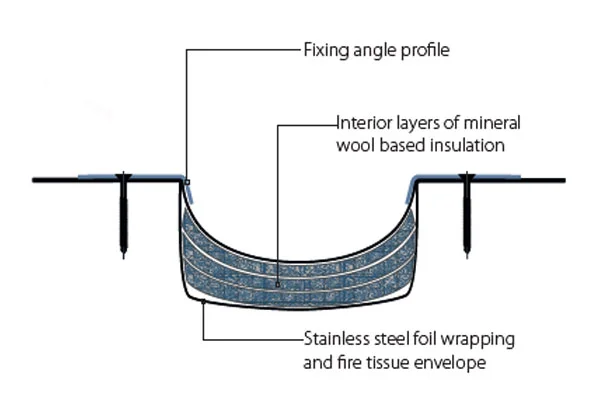
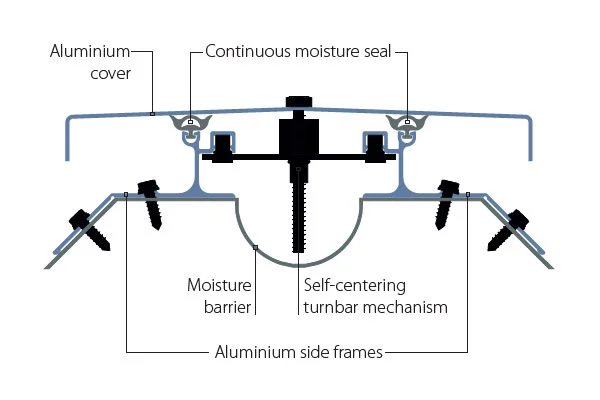
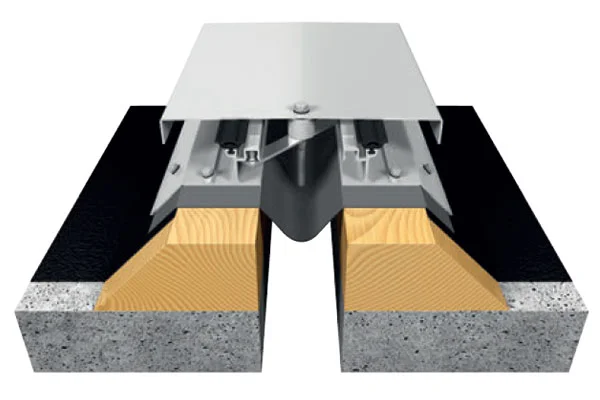
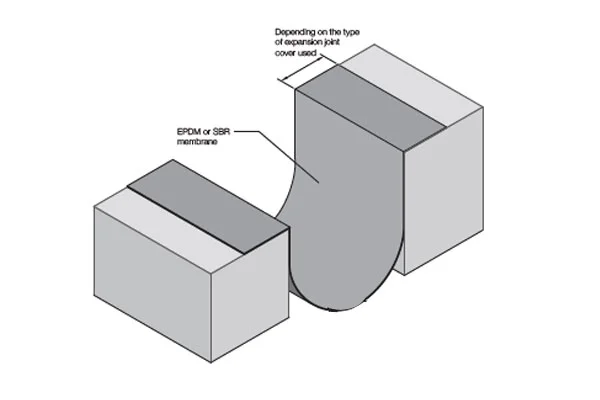
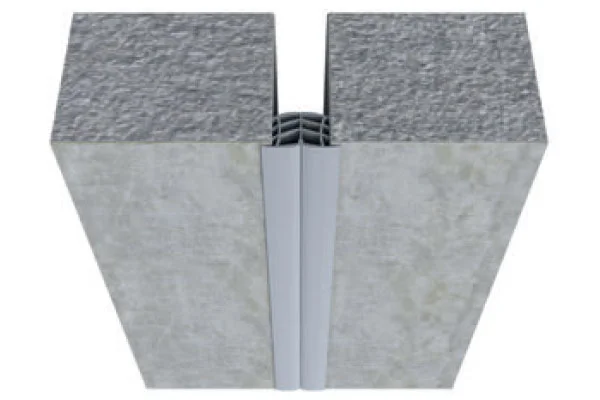
The expansion joints market in Portugal serves as a vital enabler for the longevity, safety, and functionality of constructed assets. These components are engineered to absorb dimensional changes caused by thermal expansion, seismic activity, settlement, and vibration in structures and piping systems. The market’s value is intrinsically tied to the health of its core end-use sectors: construction (both civil and building), water and wastewater management, energy generation and distribution, and industrial processing. As a developed European economy, Portugal’s market demand is predominantly for replacement, retrofit, and maintenance, which accounts for a significant and stable portion of annual consumption, alongside demand from new projects.
Geographically, market activity is concentrated in Portugal’s major economic and population centers, including the Lisbon Metropolitan Area, the Porto Metropolitan Area, and the coastal regions where industrial and logistics hubs are prevalent. However, significant demand also emanates from large-scale, location-specific infrastructure projects, such as dam upgrades, port expansions, and renewable energy parks, which can create temporary but intense regional hotspots for specialized expansion joint products. The market’s structure is project-driven, with sales often occurring through specification by engineering firms and subsequent procurement by large contractors or public works entities.
The product landscape within the market is highly segmented by material, design, and performance criteria. Key segments include metallic expansion joints (often used in high-pressure, high-temperature industrial piping), rubber and fabric joints (common in building construction, HVAC, and water conveyance), and specialized types like seismic joints for bridges and buildings. Each segment has distinct supply chains, key suppliers, and price points. The 2026 analysis indicates a gradual but perceptible shift towards more advanced materials and integrated monitoring systems, reflecting broader trends in smart infrastructure and predictive maintenance.
Demand Drivers and End-Use
Demand for expansion joints in Portugal is propelled by a confluence of macroeconomic, regulatory, and sector-specific factors. The single most influential driver is the level of investment in public and private construction and infrastructure. Multi-annual national investment programs, EU-funded cohesion projects, and private real estate development cycles directly dictate the volume of new installations. Concurrently, the aging of Portugal’s existing infrastructure stock—from mid-20th century buildings to industrial plants—creates a persistent and growing demand for rehabilitation and replacement, ensuring a baseline of market activity even during periods of reduced new construction.
A critical and evolving demand driver is the regulatory and standards environment. Stricter building codes related to seismic safety, particularly in light of Portugal’s seismic risk profile, mandate the use of certified seismic expansion joints in new public buildings, hospitals, schools, and bridges. Similarly, energy efficiency directives (like the nearly Zero-Energy Building requirements) are increasing the demand for high-performance building envelope solutions, which include specialized expansion joint systems that prevent thermal bridging. Compliance is no longer optional but a compulsory market entry ticket for many projects.
The end-use sector breakdown reveals a diversified demand base:
- Building Construction: This is the largest volume segment, encompassing commercial real estate, residential towers, hospitals, and public buildings. Demand here is for architectural-grade joints for facades, roofs, and floors, as well as structural and seismic joints.
- Civil Engineering & Infrastructure: This includes bridges, tunnels, airports, ports, dams, and railway networks. Projects in this sector require heavy-duty, highly engineered solutions capable of handling extreme loads and movements, often with long design lifespans.
- Water & Wastewater: Municipal water treatment plants, supply networks, and drainage systems use vast quantities of rubber and fabric expansion joints for pipes and concrete structures, driven by utility upgrade programs and environmental compliance.
- Energy: This covers traditional thermal power plants, emerging renewable energy facilities (biomass, solar thermal), and district heating networks. The sector demands high-performance metallic joints for critical piping, subject to extreme temperatures and pressures.
- Industry: Process industries such as pulp & paper, chemicals, and food & beverage utilize expansion joints in their production and utilities piping, with demand linked to capacity expansions and plant modernization efforts.
Supply and Production
The supply landscape for expansion joints in Portugal is characterized by a hybrid model of limited domestic production and significant import dependency. Local manufacturing is primarily focused on the fabrication of standard, catalogue-based rubber and fabric expansion joints, as well as some simple metallic bellows. These domestic producers and fabricators compete largely on price, delivery speed for standard items, and their ability to provide quick turnaround on custom modifications or repairs. They serve the building construction and general industrial maintenance markets effectively but lack the scale and technological depth for the most sophisticated applications.
For high-specification projects in infrastructure, energy, and heavy industry, the market is dominated by imports from more industrialized European nations. Portugal relies on technical expertise and manufacturing capacity from countries like Germany, Italy, France, and Spain for complex metallic expansion joints, large-scale seismic isolation systems, and joints made from advanced alloys or composite materials. These products are often sourced directly from the European subsidiaries or headquarters of global engineering groups, or through their appointed specialized distributors and agents within Portugal. This import reliance makes the market sensitive to European supply chain disruptions and currency exchange rate fluctuations within the Eurozone.
The production process, whether domestic or foreign, is engineering-intensive. It involves stages from design and stress analysis to material selection (stainless steel, specialized elastomers, PTFE), forming or molding, welding, and rigorous quality testing (pressure, cycle fatigue, leak). For major infrastructure projects, the supply process is integrated into the overall project timeline, with long lead times for design approval, prototyping, and manufacturing. The capability to provide full technical documentation, certification (e.g., CE marking, pressure equipment directive compliance), and lifecycle support is a key differentiator between commodity suppliers and value-adding partners in this market.
Trade and Logistics
Portugal’s status as a net importer of high-value expansion joints defines its trade dynamics. The import flow is steady, reflecting the continuous need for specialized components that cannot be economically produced domestically. Key import origins align with Europe’s industrial heartlands, with Germany and Italy frequently leading as sources for precision-engineered metallic joints, while neighboring Spain is a major source for a wide range of products due to geographic proximity and established trade relationships. Import channels are typically direct from manufacturer to large end-user or contractor, or via exclusive distributors who hold stock of standard items and provide local technical sales support.
Exports of expansion joints from Portugal are minimal in comparison and are usually incidental, involving specific custom orders for Portuguese engineering firms working on projects in former colonies (PALOP countries) or occasional surplus from a fabrication run. The country does not possess a significant export-oriented expansion joint manufacturing industry. Therefore, the trade balance in this sector is consistently negative, a reflection of Portugal’s broader position in the European industrial value chain for heavy mechanical components.
Logistics and supply chain management are crucial considerations, particularly for large, heavy, or delicate components destined for critical infrastructure projects. Transportation often requires specialized handling to prevent damage to polished bellows or precise mechanisms. Just-in-time delivery is common for large construction projects to minimize on-site storage. Furthermore, the aftermarket for spare parts and emergency repairs creates a need for efficient logistics networks to ensure rapid parts availability, as downtime in an industrial plant or critical infrastructure can be extremely costly. The efficiency of Portugal’s ports and road networks thus indirectly supports the reliability of the expansion joints supply chain.
Price Dynamics
Pricing in the Portuguese expansion joints market is far from uniform and is determined by a multi-layered set of factors. At the most basic level, for standard, catalogue-type rubber or fabric joints, price competition can be intense, with pressure from both domestic fabricators and low-cost imports from outside the EU. In this segment, prices are largely influenced by raw material costs (e.g., natural rubber, steel reinforcement, fabric) and basic manufacturing overhead. However, this represents the lower-margin, high-volume end of the market.
For engineered and custom solutions, the pricing model shifts dramatically. Here, price is a function of design complexity, material specifications (e.g., exotic alloys for corrosion resistance), certification requirements, testing protocols, and the scope of accompanying services (design support, installation supervision, lifecycle monitoring). In public tenders for infrastructure projects, procurement is often based on the “economically most advantageous tender” principle, where technical merit, reliability, and lifecycle cost carry more weight than the initial purchase price alone. This benefits established, technically proficient suppliers despite their potentially higher upfront costs.
Macroeconomic factors exert significant influence on price levels. Fluctuations in global prices for key inputs like stainless steel, nickel, and specialty polymers directly feed into production costs. Energy costs, impacting both manufacturing and transportation, are another variable. Furthermore, the competitive intensity from other European suppliers within the Portuguese market helps moderate price inflation, but also squeezes margins for distributors and local agents. Over the forecast period to 2035, prices for advanced, smart-enabled expansion joint systems are expected to command a growing premium over basic products, reflecting their value in reducing long-term maintenance and failure risks.
Competitive Landscape
The competitive environment in Portugal’s expansion joints market is fragmented and stratified. The market can be segmented into three primary tiers of players, each with distinct strategies and customer bases.
- Tier 1: Global Engineering and Industrial Product Conglomerates: These are large multinational corporations with divisions dedicated to fluid handling, vibration control, or construction products. They offer the most comprehensive portfolios, from standard to highly custom-engineered solutions. Their strength lies in global R&D, extensive certification portfolios, and the ability to execute on mega-projects anywhere in the world. They compete on technological leadership, brand reputation for reliability, and full-service project support. They typically engage through direct sales teams for large projects and a network of specialized distributors for broader market coverage.
- Tier 2: European Specialized Manufacturers: This tier consists of mid-sized, often family-owned firms from Germany, Italy, France, and Spain that are recognized experts in specific niches (e.g., seismic joints for bridges, expansion joints for power plants, high-pressure metallic bellows). They compete on deep technical expertise in their domain, flexibility, and high-quality craftsmanship. They are frequently the specified supplier on complex projects and rely on long-term relationships with Portuguese engineering firms and select distributors.
- Tier 3: Local Fabricators, Distributors, and Agents: This is the most numerous group. It includes Portuguese companies that manufacture standard products, provide custom fabrication and repair services, or act as sales agents and distributors for foreign manufacturers. Their competitive advantages are local presence, quick response times, understanding of local building codes and practices, and competitive pricing for less complex requirements. They are crucial for the maintenance, repair, and operations (MRO) market and for smaller-scale construction projects.
Competition revolves around technical capability, project references, relationship management with specifying engineers and contractors, and the quality of after-sales service. Mergers and acquisitions among European suppliers can periodically reshape the competitive map, as can the entry of a distributor with a new principal from outside the traditional supply regions.
Methodology and Data Notes
This market analysis is built upon a rigorous, multi-source methodology designed to ensure accuracy, depth, and actionable insight. The core of the research involves extensive primary research, including structured interviews and surveys conducted with key industry stakeholders across the value chain. These stakeholders encompass expansion joint manufacturers (both domestic and international), specialized distributors and agents, major engineering and contracting firms, procurement officials in public infrastructure bodies, and maintenance managers in key end-use industries. This primary data provides ground-level perspective on market dynamics, competitive behavior, pricing trends, and emerging customer needs.
Secondary research forms the complementary backbone of the analysis, involving the systematic review and synthesis of a wide array of credible sources. These include official trade statistics from Eurostat and Portuguese national institutes, financial reports and press releases of publicly traded companies in the sector, technical publications and industry association reports, public tender databases, and analysis of relevant macroeconomic and construction industry forecasts for Portugal. This triangulation of data sources allows for the validation of trends and the quantification of market size and growth patterns.
The analytical framework employed is both qualitative and quantitative. Qualitative analysis assesses competitive strategies, regulatory impacts, supply chain risks, and technological trends. Quantitative analysis models demand based on leading indicators from construction output, industrial production indices, and infrastructure investment data. All growth rates, market share estimates, and segment analyses presented are derived from the aggregation and professional interpretation of this collected data. The forecast perspective to 2035 is based on identified demand drivers, policy trajectories, and macroeconomic scenarios, providing a reasoned projection of market direction without inventing specific absolute figures.
Outlook and Implications
The Portuguese expansion joints market from 2026 towards 2035 is poised for evolution rather than revolutionary change, with its fortunes inextricably linked to broader national and European strategic priorities. The market will continue to be underpinned by the essential need for maintenance and retrofit of the existing asset base, providing a stable demand floor. However, the growth trajectory and structural shifts within the market will be dictated by several key themes: the scale and focus of EU-funded infrastructure investments, the acceleration of the energy transition, and the adoption of digitalization in asset management.
Specific growth pockets are expected to emerge more prominently. The drive for renewable energy, particularly in solar PV farms requiring cable management systems and biogas plants with complex piping, will create new demand for specialized joints. The modernization of water infrastructure to combat leakage and improve efficiency will sustain demand in the municipal sector. Furthermore, the renovation wave for building energy efficiency and seismic resilience will increasingly become a major driver, moving beyond public buildings into the broader commercial and residential stock, especially in urban areas.
For market participants, the implications are clear. Suppliers competing on price alone for commodity products will face persistent margin pressure and competition from intra-EU and third-country imports. The path to differentiation and value creation will increasingly lie in technical sophistication, system integration, and service offerings. This includes providing expansion joints with embedded sensors for condition monitoring, offering digital twins for critical installations, and developing deep expertise in the regulatory and technical requirements of high-growth niches like green hydrogen or offshore renewable energy. Building strong, collaborative partnerships with engineering firms, contractors, and maintenance providers will be more critical than ever. The Portuguese market, while moderate in size, offers a microcosm of European trends, serving as a relevant case study for any firm looking to compete in the sophisticated, value-driven infrastructure components sector of the future.
Source: IndexBox Platform