Executive Summary
The Belgium expansion joints market represents a critical, if niche, component of the nation’s industrial and construction infrastructure. Characterized by steady demand tied to maintenance, renovation, and strategic infrastructure investment, the market operates at the intersection of advanced manufacturing, engineering services, and stringent regulatory standards. This analysis provides a comprehensive evaluation of the market’s current state as of the 2026 edition, its underlying dynamics, and a strategic forecast through 2035, offering stakeholders a data-driven foundation for decision-making.
Key market performance is intrinsically linked to Belgium’s role as a logistical hub and its ongoing need to modernize aging assets in transportation, utilities, and industrial facilities. Demand is bifurcated between replacement cycles in existing infrastructure and new projects aligned with sustainability and efficiency goals. The competitive landscape features a mix of specialized international manufacturers and technically adept domestic suppliers and fabricators, competing on engineering precision, material innovation, and service quality rather than price alone.
The outlook to 2035 is shaped by several convergent trends. The imperative for climate resilience in infrastructure, the modernization of port and rail networks, and the energy transition will generate sustained, project-driven demand. However, market participants must navigate challenges including volatile raw material costs, skilled labor shortages, and the complexities of public procurement. Success will hinge on technological adaptation, supply chain robustness, and deep integration into the project planning phases of key end-use sectors.
Market Overview
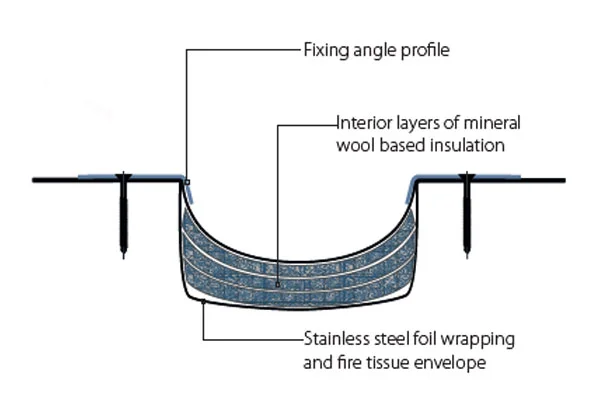
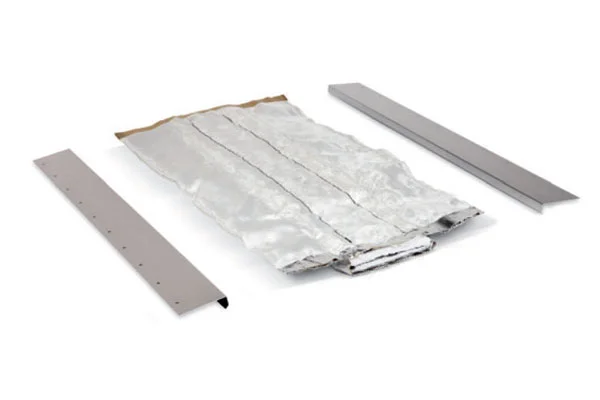
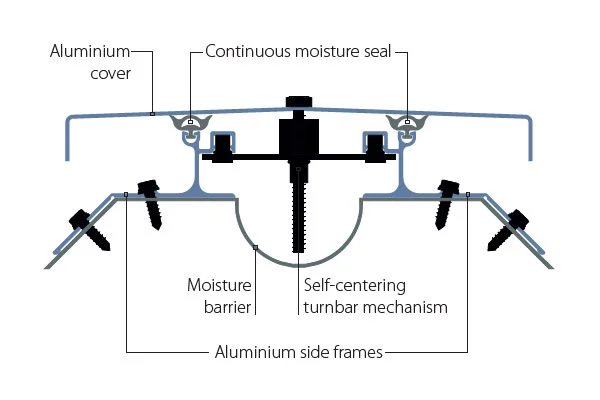
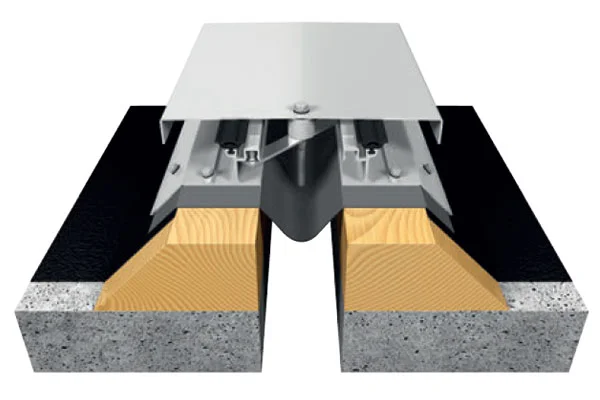
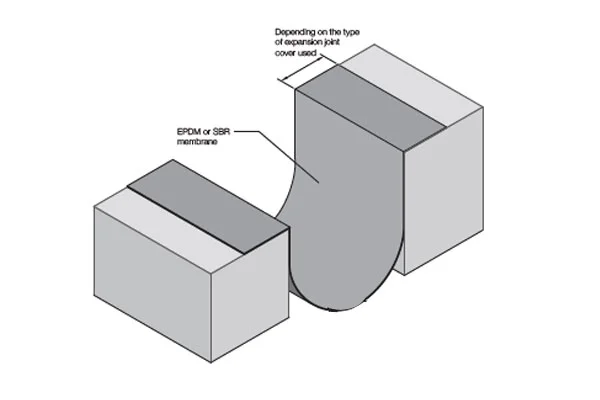
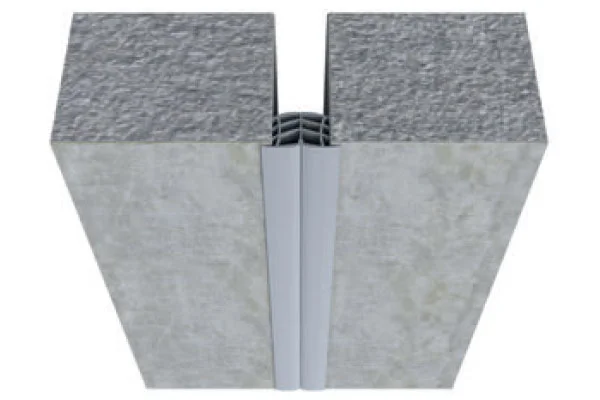
The Belgium expansion joints market is a mature yet essential segment within the broader construction and industrial products industry. Expansion joints are engineered assemblies designed to absorb thermal expansion, contraction, and vibration in structures and piping systems, ensuring integrity and longevity. In Belgium, their application is widespread across core economic pillars, including transportation networks, energy generation and distribution, water management, and heavy industrial processing. The market’s size and trajectory are less about explosive growth and more about consistent, value-added demand driven by technical necessity and regulatory compliance.
Geographically, market activity is concentrated in regions with high industrial density and major infrastructure projects. Flanders, with its extensive port facilities in Antwerp and Zeebrugge, dense road and canal networks, and chemical industry cluster, represents a primary demand center. Wallonia’s historical industrial base and major water management infrastructure also contribute significant demand, particularly for maintenance and upgrade projects. The Brussels-Capital Region generates demand through urban infrastructure renewal and the maintenance of public buildings and transportation hubs.
The market structure is defined by a high degree of specialization. Products range from simple modular bridge seals to highly complex pressure-balanced joints for power plants or corrosion-resistant models for chemical processing. This segmentation means that suppliers often operate in specific niches, developing deep expertise and long-standing relationships with engineering firms and contractors. The market is not commoditized; specifications, certifications, and performance guarantees are paramount in the procurement process, elevating the importance of technical service and design support.
Demand Drivers and End-Use
Demand for expansion joints in Belgium is propelled by a combination of cyclical maintenance needs and strategic long-term investments. The primary catalyst is the aging of the country’s extensive infrastructure, built during the post-war economic boom and now requiring systematic renovation. This creates a steady, predictable stream of replacement demand that forms the market’s baseline. Concurrently, new megaprojects and adherence to evolving EU and national regulations regarding safety, emissions, and energy efficiency generate discrete waves of demand for advanced jointing solutions.
The end-use landscape is diverse, with each sector imposing unique technical requirements and procurement patterns.
- Transportation Infrastructure: This is the largest end-use sector. It includes road and highway bridges, railway bridges and tunnels, airport runways and terminals, and port quay walls and docks. Demand is driven by the Belgian government’s multi-annual infrastructure investment plans, which prioritize the maintenance of the existing network and key projects like the Oosterweel Link in Antwerp or the modernization of the RER rail network. Bridge refurbishment, in particular, is a constant source of demand for high-performance modular and strip seal joints.
- Industrial Processing: The chemical, pharmaceutical, and food & beverage industries are major consumers of piping expansion joints. These joints are critical for managing thermal stress in process pipelines, ensuring operational safety and preventing costly downtime. Demand in this sector is tied to plant maintenance schedules, capacity expansions, and retrofits aimed at improving energy efficiency or meeting new environmental standards. The pressure to reduce fugitive emissions, for instance, drives demand for sealed, bellows-type joints.
- Energy and Utilities: This sector encompasses power generation plants (including traditional and renewable sources), district heating networks, and water and wastewater treatment facilities. The energy transition is a powerful driver here, as investments in new renewable energy infrastructure, the retrofitting of existing plants, and the expansion of heating networks all require specialized expansion joints. Water management, crucial in flood-prone Belgium, also demands joints for large-diameter pipelines, reservoirs, and treatment basins.
- Building Construction: While smaller in volume compared to infrastructure, demand from commercial and public buildings is significant. Large stadiums, museums, hospital complexes, and high-rise buildings require structural expansion joints to accommodate movement and ensure comfort and safety. This segment is sensitive to the overall health of the non-residential construction sector and trends in architectural design favoring large, open spaces.
Supply and Production
The supply landscape for expansion joints in Belgium is characterized by a hybrid model. The market is served by both the local production/ fabrication capabilities of domestic companies and the direct sales or distribution of products manufactured abroad by multinational specialists. Very few, if any, companies in Belgium engage in the full vertical production of raw bellows material; instead, the focus is on high-value-added activities like design engineering, assembly, testing, and project-specific fabrication using imported core components.
Domestic supply capabilities are concentrated in several key areas. A number of Belgian mechanical engineering and steel construction firms have developed specialized divisions or partnerships to design and fabricate large, custom expansion joints for bridges and industrial applications. These companies compete on their understanding of local norms, flexibility in handling complex project specifications, and their ability to provide rapid on-site support and installation supervision. Furthermore, a network of technical distributors and representatives acts as the local face for leading international manufacturers, holding inventory of standard piping joint models and providing essential technical sales support.
Production within Belgium, therefore, is largely project-oriented and custom-engineered. The process typically begins with detailed design and stress analysis, followed by the procurement of specialized materials like stainless steel bellows, high-grade rubber, or PTFE. Fabrication involves precision welding, assembly of control hardware (ties, hinges), and rigorous quality control and pressure testing. This model makes the supply chain vulnerable to disruptions in the availability of specialized alloys and skilled welders, but it also creates high barriers to entry and fosters long-term client relationships based on proven performance.
Trade and Logistics
Belgium’s expansion joints market is deeply integrated into international trade flows, reflecting both its open economy and the specialized nature of the product. The country is a significant net importer of high-value expansion joint systems and key components. Imports arrive from global technology leaders, particularly in Germany, the Netherlands, France, and the United States, which house the headquarters of many world-leading expansion joint manufacturers. These imports consist of both complete, engineered systems for major projects and standardized components for distribution.
Exports from Belgium, while smaller in volume, are not insignificant. They consist primarily of custom-engineered solutions fabricated by Belgian specialist firms for international projects, often secured through Belgian engineering or construction companies working abroad. Exports may also include re-exported standard goods sourced from international partners. Belgium’s central location and world-class port and logistics infrastructure in Antwerp facilitate this trade, making it an efficient hub for distributing these bulky, high-value goods throughout Western Europe.
The logistics of handling expansion joints present specific challenges. Large bridge joints or industrial pipe loops can be extremely bulky and heavy, requiring specialized heavy-lift transportation and careful handling to prevent damage to precision components. Just-in-time delivery is often critical for large construction projects, placing a premium on supply chain reliability and coordination. Furthermore, the import of certain materials or finished goods may be subject to technical standards and certifications, adding a layer of regulatory complexity to cross-border trade that reputable suppliers are adept at managing.
Price Dynamics
Pricing in the Belgium expansion joints market is far from uniform and is determined by a complex matrix of factors beyond simple material costs. The market operates on a project-bid basis for large infrastructure and industrial jobs and a list-price/distributor model for standard piping products. This results in a wide price range, where a simple rubber strip seal for a small bridge may cost a few hundred euros, while a custom, pressure-balanced metallic joint for a nuclear power plant can represent a six or seven-figure investment.
The primary cost components are raw materials, engineering design, and manufacturing labor. The prices of key inputs—especially specialty stainless steels, high-performance alloys, and engineered elastomers—are subject to global commodity market volatility, which manufacturers must manage through hedging or price adjustment clauses. Engineering design is a significant value-driver, as the cost of sophisticated finite element analysis and custom engineering is amortized over the project. Finally, the skilled labor required for precision welding and assembly represents a substantial and rising cost, influenced by the scarcity of qualified technicians.
Price competition varies by segment. In the market for standardized, catalogued piping joints, competition is more direct, with price being one of several factors alongside availability and brand reputation. In contrast, for engineered solutions for infrastructure, competition is based overwhelmingly on technical merit, lifecycle cost, proven reliability, and the quality of technical support. Clients in these sectors are typically more sensitive to the risk of failure and downtime than to upfront cost, allowing suppliers with superior technology and references to command significant price premiums.
Competitive Landscape
The competitive environment in the Belgian expansion joints market is oligopolistic at the level of major project supply, yet fragmented across numerous niches and service providers. A handful of large, multinational corporations dominate the supply of advanced, branded expansion joint systems for major infrastructure and critical industrial applications. These global players compete based on their extensive R&D, vast project portfolios, international certifications, and the ability to provide global warranty and support. They typically engage with the market through dedicated local offices or exclusive technical representatives.
Alongside these giants, a tier of specialized Belgian engineering and fabrication firms holds a strong position. These companies compete effectively by offering greater flexibility, deep local knowledge, faster response times for service and repairs, and often a more collaborative approach to design. They are particularly successful in the bridge renovation market and in serving the specific needs of local industrial plants. Their strategy is built on long-term relationships, technical agility, and a focus on total cost of ownership rather than just initial price.
The competitive strategies observed in the market are multifaceted.
- Product Differentiation and Innovation: Leaders invest in developing joints with longer lifespans, easier installation, lower maintenance requirements, or enhanced performance for extreme conditions (e.g., seismic activity, saltwater corrosion).
- Vertical Integration and Service Expansion: Companies are moving beyond mere product supply to offer integrated services, including initial movement analysis, installation supervision, maintenance contracts, and lifecycle monitoring systems.
- Strategic Partnerships: Forming alliances with engineering consultancies, large construction contractors, and raw material suppliers is crucial for securing early involvement in projects and ensuring supply chain stability.
- Niche Specialization: Many smaller players thrive by becoming the undisputed expert in a specific niche, such as joints for historic bridge restoration, for specific chemical processes, or for district heating networks.
Methodology and Data Notes
This market analysis is built upon a rigorous, multi-layered research methodology designed to ensure accuracy, depth, and actionable insight. The foundation is a comprehensive review of primary and secondary data sources, which are triangulated to form a coherent market view. Primary research forms the core, consisting of in-depth interviews with industry stakeholders across the value chain. This includes structured discussions with executives from expansion joint manufacturers (both multinational and domestic), technical directors at engineering and construction firms, procurement officials from key end-user industries, and specialized distributors.
Secondary research provides critical context and validation. This involves the systematic analysis of company annual reports, financial databases, technical publications, and industry association data. Furthermore, public domain information is extensively utilized, including analysis of tender databases for public infrastructure projects, trade statistics from official Belgian and EU sources (e.g., NBB, Eurostat), and reviews of relevant regulatory frameworks and long-term national investment plans for infrastructure and industry.
The analytical process involves both quantitative and qualitative assessment. Quantitative data on trade flows, company financials, and project values are cleaned, normalized, and analyzed to identify trends, market sizes, and competitive shares. Qualitative insights from interviews are coded and analyzed to understand strategic motivations, market challenges, and emerging trends. The forecast through 2035 is developed using a scenario-based approach, modeling the impact of identified demand drivers and potential constraints under different economic and regulatory assumptions, without inventing specific absolute figures beyond the report’s scope.
It is important to note the inherent challenges in market sizing for a highly engineered, project-driven product like expansion joints. Market value can fluctuate significantly year-on-year based on the timing of a few large projects. Therefore, this report emphasizes trend analysis, structural dynamics, and the underlying drivers of demand over time, rather than focusing solely on a single annual market size estimate. All inferences and relative metrics (growth rates, market shares) are derived from the analysis of available absolute data and qualitative intelligence, ensuring a robust and defensible market perspective.
Outlook and Implications
The Belgium expansion joints market from 2026 towards 2035 is projected to follow a path of stable, incremental growth underpinned by non-discretionary investment needs. The forecast horizon will be defined not by a demand boom, but by a sustained requirement for modernization, safety, and resilience. The market will remain closely tied to the execution pace of Belgium’s national infrastructure plans, the investment cycles of its process industries, and the broader EU policy push towards a green and digital economy. This creates a favorable underlying environment for technically proficient suppliers.
Several key trends will shape the market’s evolution. The climate adaptation imperative will drive demand for expansion joints in flood defense systems, water management infrastructure, and in structures designed to withstand greater thermal cycling. The energy transition will create opportunities in hydrogen pipelines, carbon capture and storage networks, offshore wind infrastructure, and the retrofitting of industrial plants for efficiency. Digitization will also make inroads, with growing interest in “smart” joints equipped with sensors to monitor movement, stress, and wear, enabling predictive maintenance and reducing lifecycle costs.
For industry participants, the implications are clear and actionable. Manufacturers and suppliers must prioritize resilience in their supply chains, securing access to critical materials and developing contingency plans. Investment in workforce training to address the skilled labor shortage is essential to maintain quality and capacity. Strategically, companies should align their R&D and product development efforts with the megatrends of sustainability and digitalization, creating solutions that explicitly address these future client needs. Deepening partnerships with engineering firms to influence specification at the earliest design stage will be a critical success factor.
Finally, the competitive landscape is likely to see further consolidation among global players seeking economies of scale in technology and distribution, while agile domestic specialists may consolidate to enhance their technical capabilities and geographic reach. The winning players will be those that successfully combine engineering excellence with a sophisticated understanding of the project lifecycle, offering not just a product, but a guaranteed performance outcome that reduces risk and total cost for asset owners and operators across Belgium’s critical infrastructure and industrial base through 2035 and beyond.
Source: IndexBox Platform