Executive Summary
The United Kingdom building seismic joints market represents a critical, though often underappreciated, segment within the nation’s advanced construction and civil engineering sectors. Characterised by its technical sophistication and stringent regulatory requirements, this market is driven by a confluence of factors including the evolving understanding of seismic risk, the imperative for resilient infrastructure, and the ongoing trend towards the construction of larger, more complex building envelopes. This report provides a comprehensive 2026 analysis of the market’s structure, key players, demand determinants, and supply dynamics, extending its perspective through a strategic forecast to 2035.
While the UK is not situated on a major tectonic plate boundary, it is subject to low-to-moderate seismic activity, a risk that is increasingly factored into the design of critical infrastructure, high-value assets, and tall buildings. The market for seismic joints, which are engineered components designed to allow controlled movement and absorb energy during seismic events, thermal expansion, and settlement, is therefore intrinsically linked to high-specification construction. Growth is underpinned not by volume alone but by the increasing technical performance, material innovation, and integration capabilities demanded by architects and structural engineers.
The competitive landscape is defined by a mix of specialised international manufacturers and technically adept domestic suppliers and fabricators. Market leadership is contingent upon deep engineering expertise, a proven track record in major projects, and the ability to provide comprehensive design support. As the UK’s infrastructure and building stock ages, and as climate adaptation and resilience move to the forefront of national policy, the strategic importance of seismic mitigation technologies is set to rise, shaping investment and procurement decisions through the forecast period to 2035.
Market Overview
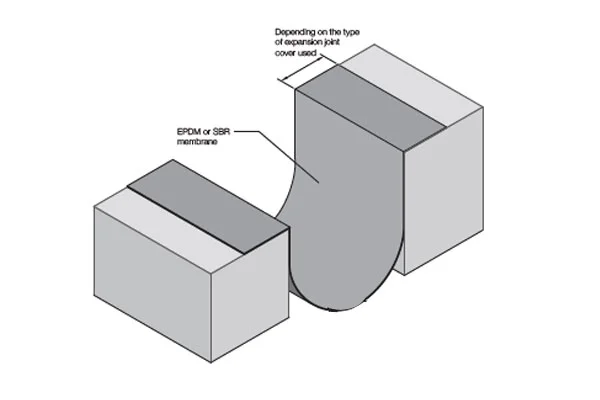
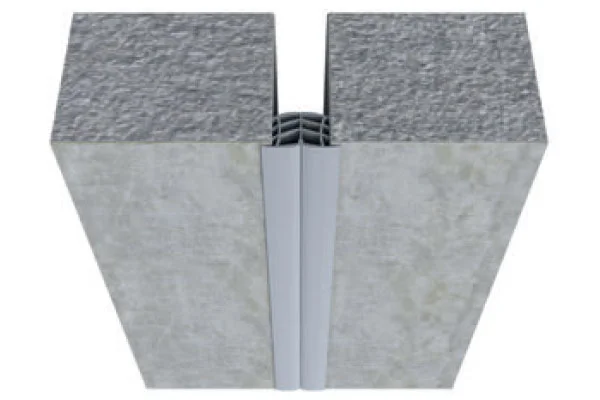
The UK building seismic joints market is a niche but essential component of the wider construction products industry. It encompasses the design, manufacture, supply, and installation of joint systems that accommodate multi-directional movement in structures. These products are categorised by their function—seismic, expansion, contraction, and settlement—though modern joints often integrate capabilities for all these movements. The market’s value is derived from both new construction, particularly in the infrastructure, commercial, and high-rise residential sectors, and the retrofitting of existing critical buildings for enhanced resilience.
The market structure is bifurcated between the supply of proprietary, branded joint systems from global leaders and the custom fabrication of joint components by specialised metalwork and engineering firms. Product sophistication ranges from simple modular expansion joints to highly customised, large-movement seismic arrays capable of dissipating significant kinetic energy. The specification process is highly technical, involving close collaboration between the joint manufacturer, structural engineer, and facade consultant from the early design stages, creating high barriers to entry based on expertise and reputation rather than just cost.
Geographically, demand is concentrated in regions with higher-value construction projects and areas with specific geological considerations. London, as a global hub for tall building construction, represents the single largest concentration of demand. Furthermore, major infrastructure projects—such as railway stations, airports, and long-span bridges—constitute significant, discrete markets for these specialised products. The market’s evolution is closely tied to British Standards and Eurocodes governing structural design, which increasingly reference resilience and dynamic loading, thereby codifying the use of engineered joint systems.
Demand Drivers and End-Use
Demand for building seismic joints in the UK is propelled by a matrix of regulatory, economic, and architectural factors. The primary driver is the formal recognition of seismic risk in national building codes. While historically perceived as minimal, documented seismic events and advanced geological surveying have led to a more nuanced risk assessment, particularly for structures with long design lives or high societal importance. This regulatory shift mandates the consideration of seismic design in a broader range of projects, directly generating demand for appropriate mitigation technologies.
Architectural trends towards larger, uninterrupted floor plates and complex, articulated building forms are a significant demand catalyst. Modern glass curtain walls, long-span atria, and interconnected structural volumes require sophisticated movement joint solutions to manage stresses from thermal fluctuation, wind sway, and concrete creep. Seismic joints, with their ability to accommodate large, multi-axial movements, are increasingly specified as the holistic solution for these challenges, even in areas of lower seismic probability, due to their superior performance characteristics.
The end-use segmentation of the market reveals distinct demand patterns:
- Commercial Real Estate: High-rise office towers, mixed-use developments, and large retail complexes are leading consumers. The drive for premium, resilient assets in city centres ensures specification of high-performance joint systems.
- Infrastructure: Transport hubs (airports, railway stations), bridges, stadia, and hospitals represent critical demand sectors. Here, the emphasis is on durability, public safety, and lifecycle cost, favouring robust, engineered joint solutions.
- High-Rise Residential: The proliferation of tall residential buildings in urban areas has created a steady stream of demand for joints that ensure occupant comfort and structural integrity over decades.
- Retrofit & Refurbishment: An emerging and growing segment involves upgrading existing buildings, particularly heritage structures or critical infrastructure, to meet modern resilience standards, often requiring bespoke joint solutions.
Furthermore, the overarching national policy focus on climate resilience and adaptation is beginning to influence specification. As buildings are designed to withstand a wider range of climatic extremes and their associated structural loads, the role of movement joints as a key resilience component is gaining prominence, linking this niche market to broader environmental, social, and governance (ESG) investment criteria.
Supply and Production
The supply landscape for seismic joints in the UK is characterised by a hybrid model of international supply and local value-add. Core manufacturing of proprietary joint systems—particularly those involving advanced polymers, specialised alloys, and precision damping mechanisms—is dominated by a small number of multinational corporations with global R&D and production facilities. These firms typically supply the UK market from central European manufacturing hubs, leveraging economies of scale and deep technical portfolios.
Alongside these global players, a network of UK-based specialist engineering firms and advanced metal fabricators plays a crucial role. These companies engage in the custom design, fabrication, and assembly of joint components, especially for large-scale, one-off infrastructure projects or complex architectural applications. They add value through local design support, just-in-time delivery, and on-site technical assistance, often working as subcontractors to the main international suppliers or directly for main contractors. This layer of the supply chain is critical for project adaptation and responsiveness.
Production processes are highly engineered, involving precision machining, welding, casting, and the integration of composite materials. Quality control is paramount, as product failure can have catastrophic consequences. As such, supply is governed by rigorous certification processes, including ISO standards and specific product testing protocols for fire resistance, movement capacity, and fatigue life. The trend within supply is towards greater integration: providing not just a joint component but a complete “building movement interface” solution that includes adjacent cladding, flooring, and sealing systems, thereby capturing more value per project.
Supply chain vulnerabilities have been highlighted in recent years, particularly concerning the availability of specific raw materials like specialised steel alloys and high-performance elastomers. While not a high-volume consumer of materials, the market’s need for certified, traceable, and defect-free inputs creates dependencies on a limited number of global suppliers. This has prompted some inventory buffering and a reassessment of sourcing strategies among leading market participants.
Trade and Logistics
The United Kingdom’s trade position in building seismic joints is firmly that of a net importer. The high level of technological sophistication and the economies of scale achieved by continental European and North American manufacturers mean that the bulk of proprietary, branded joint systems are imported. Major import channels flow from manufacturing centres in Germany, Italy, Switzerland, and the United States, reflecting the global hubs of expertise in advanced construction products and precision engineering.
Exports from the UK are comparatively modest but exist in two forms. First, UK-based fabricators and specialists occasionally export bespoke joint solutions or technical consultancy for unique international projects, particularly in Commonwealth nations or the Middle East, where UK engineering firms have a strong presence. Second, the re-export of imported systems as part of a larger, UK-managed project package for overseas construction can occur, though this is project-dependent and not a consistent trade flow.
Logistics for these products present unique challenges. Many seismic joint elements, especially those for infrastructure projects, are large, heavy, and require careful handling to prevent damage to precision surfaces and seals. Transportation often requires specialised flatbed trailers and coordinated “just-in-sequence” delivery to congested construction sites. Furthermore, the high value-to-weight ratio of these engineered products makes them sensitive to changes in transportation costs and border administration efficiency. The post-Brexit trade environment has introduced new layers of customs documentation and regulatory checks for imports from the EU, potentially impacting lead times and total landed cost, factors that supply chain managers must now actively mitigate.
The import dependency underscores a strategic consideration for the market: while local fabrication expertise is strong, the UK lacks a fully integrated, large-scale domestic manufacturing base for the most advanced proprietary joint systems. This leaves the market exposed to global supply chain disruptions and currency fluctuations. However, it also ensures access to globally benchmarked technology and continuous innovation developed in larger international markets.
Price Dynamics
Pricing within the UK building seismic joints market is far from commoditised; it is highly project-specific and value-based. There is no standard list price for a seismic joint, as cost is a function of a complex set of variables including the required movement capacity (in millimetres or centimetres), load-bearing requirements, fire-rating, material specifications (stainless steel, aluminium, specialised elastomers), level of customisation, and the scope of ancillary services like design calculation and on-site supervision. As such, pricing is typically established through a detailed quotation process following a project’s schematic design phase.
The cost structure is heavily weighted towards advanced materials and engineering design input. Raw material costs, particularly for metals like stainless steel and specialised polymers, represent a significant and volatile portion of input costs. Fluctuations in global commodity markets directly feed through to product pricing with a short lag. Furthermore, the energy-intensive nature of metal fabrication and processing means that industrial energy prices are a critical cost driver for both imported and domestically fabricated components.
Competitive pressure does influence pricing, but primarily on the margins of projects where technical requirements are more standardised. For highly complex, signature projects, competition is based on technical merit, proven performance, and the quality of design support rather than price alone. Clients in the infrastructure and high-value commercial sectors are generally less price-sensitive, prioritising lifecycle performance, warranty terms, and the reduction of latent risk over initial capital expenditure. Consequently, profit margins in this niche tend to be more resilient than in standard construction products, protected by high barriers to entry and the critical nature of the product’s function.
Looking forward, price dynamics are expected to be influenced by two opposing forces. On one hand, the push for greater building resilience and stricter codes could drive up specifications, leading to the use of more advanced (and expensive) joint systems. On the other hand, main contractors facing overall project cost pressures may seek value-engineering options, potentially squeezing margins for suppliers. The ability to demonstrate quantifiable value in terms of risk reduction, longevity, and reduced maintenance will be key to maintaining pricing power through the forecast period to 2035.
Competitive Landscape
The competitive arena of the UK seismic joints market is consolidated at the top tier but features a long tail of specialist participants. Market leadership is held by a handful of multinational corporations that possess globally recognised brands, extensive patent portfolios, and comprehensive product ranges covering everything from small building expansion joints to massive bridge bearing and seismic isolation systems. These companies compete on the basis of technological leadership, international project references, and the ability to provide global technical support.
Beneath this top tier, competition is fragmented among numerous specialist entities:
- Specialist UK Fabricators and Engineers: Firms that excel in custom metalwork, detailed design, and site adaptation. They often win contracts for bespoke solutions or serve as approved installers and fabricators for the larger brands.
- Regional Distributors and Agents: Companies that represent international manufacturers in the UK, providing local sales, inventory holding, and first-line technical support.
- Niche Product Innovators: Smaller firms, sometimes spin-offs from university research, focusing on specific material innovations (e.g., novel damping elastomers, shape-memory alloys) or digital monitoring systems integrated into joints.
Key competitive strategies observed in the market include a strong emphasis on “spec-in” influence through direct engagement with consulting structural engineers and architects at the earliest design stages. Providing free, value-added services like movement calculation, detailed CAD drawings, and BIM (Building Information Modelling) objects is a standard practice to secure specification. Furthermore, establishing approved partner status with major main contractors and facade specialists is crucial for being included on tender lists for major projects.
The competitive landscape is gradually evolving with the digitalisation of construction. Leaders are investing in digital tools for product selection, performance simulation, and integration with BIM workflows. The ability to seamlessly integrate a seismic joint solution into a digital twin of a building is becoming a differentiator. Mergers and acquisitions activity remains moderate, typically involving larger construction product conglomerates acquiring niche specialists to broaden their technical portfolio in the high-value “building envelope” segment.
Methodology and Data Notes
This analysis of the United Kingdom Building Seismic Joints Market is constructed using a multi-faceted research methodology designed to ensure analytical rigour and a comprehensive market view. The core approach integrates quantitative data gathering with qualitative expert insight, triangulating information from multiple independent sources to build a coherent and validated market picture.
The primary research component consisted of in-depth interviews with a carefully selected panel of industry participants across the value chain. This panel included executives and technical managers from leading seismic joint manufacturers and suppliers, specialist engineering fabricators, prominent structural engineering consultancies, main contractors specialising in complex projects, and procurement officials from infrastructure agencies. These interviews provided critical ground-level perspective on demand drivers, specification processes, competitive dynamics, pricing strategies, and emerging challenges.
Extensive secondary research formed the quantitative and contextual backbone of the study. This involved the systematic analysis of:
- Official government and trade statistics on construction output, building permits, and international trade (HS codes).
- Financial reports and public disclosures of publicly traded companies within the supply chain.
- Technical literature, including British Standards, Eurocodes, and industry publications from institutions like the Institution of Structural Engineers.
- Project databases and industry press to track major developments and contract awards in relevant sectors (commercial high-rise, infrastructure, etc.).
All market size estimations, growth rate derivations, and segment shares presented are the result of this proprietary modelling, which cross-references supply-side interviews with demand-side indicators. It is important to note that the “market” is defined as the value of seismic and advanced movement joint products supplied into the UK for building and civil engineering applications, encompassing both imported finished goods and the value of domestic fabrication. The forecast projections to 2035 are based on the extrapolation of identified demand drivers, regulatory trends, and macroeconomic scenarios, and are presented as directional analysis rather than precise numerical predictions, in line with the stated data rules of this report.
Outlook and Implications
The outlook for the United Kingdom building seismic joints market from the 2026 analysis point through to 2035 is one of steady, technology-driven growth underpinned by structural trends in construction and resilience planning. The market is expected to outpace general construction output growth, as the value intensity and specification rate of engineered joint systems increase across multiple project types. This growth will not be linear but will be punctuated by the timing of major infrastructure programmes and cycles in commercial real estate development.
Several key implications for industry stakeholders emerge from this analysis. For manufacturers and suppliers, the strategic imperative will be to deepen technical consultancy capabilities and digital tool offerings. Success will increasingly depend on the ability to act as a knowledge partner from the concept stage, integrating joint solutions into complex digital design models. Investment in R&D focused on next-generation materials with enhanced damping properties, longer lifespans, and easier installation will be a critical differentiator. Furthermore, developing robust circular economy strategies for end-of-life joints could become a competitive advantage as sustainability regulations tighten.
For specifiers—primarily structural engineers and architects—the expanding palette of joint technologies offers greater design freedom but also imposes a need for deeper product knowledge. Engaging with specialist suppliers early in the design process will be essential to optimise building performance, manage risk, and avoid costly redesigns. The trend towards performance-based design, rather than purely prescriptive code compliance, will place greater onus on engineers to justify product selections based on holistic lifecycle performance metrics.
For investors and policymakers, the market highlights the growing economic importance of “resilience engineering” as a discrete sector within construction. Supporting the domestic advanced manufacturing and engineering capabilities in this field aligns with broader national goals for infrastructure resilience, climate adaptation, and high-value exports. Monitoring the UK’s import dependency for core technologies may also inform longer-term industrial strategy considerations related to critical construction products. Ultimately, the evolution of this niche market serves as a bellwether for the UK construction industry’s broader transition towards more performative, durable, and intelligent built assets, a transition that will define the sector’s trajectory through 2035 and beyond.
Source: IndexBox Platform