Skip to content
Executive Summary
The Pakistan building seismic joints market is at a critical inflection point, shaped by a confluence of regulatory evolution, heightened seismic risk awareness, and substantial infrastructure development. This report provides a comprehensive analysis of the market’s current state as of the 2026 edition, projecting its trajectory through to 2035. The core value of seismic joints in mitigating structural damage and preserving life safety is becoming increasingly recognized across both public and private construction sectors.
Market growth is fundamentally driven by the enforcement and gradual strengthening of building codes, particularly in urban centers like Karachi, Lahore, and Islamabad, which are situated in zones of significant seismic activity. Furthermore, large-scale public infrastructure projects and a burgeoning real estate sector focused on high-rise developments are creating sustained demand. The market, however, faces challenges including cost sensitivity, variable levels of technical expertise in specification and installation, and competition from non-compliant or substandard construction practices.
This analysis delineates the complex interplay between domestic manufacturing capabilities and import reliance, identifying key supply channels and price determinants. The competitive landscape is examined in detail, highlighting the strategies of leading international suppliers and emerging local fabricators. The forward-looking perspective to 2035 suggests a market poised for structural maturation, with implications for investors, construction firms, material suppliers, and policymakers navigating Pakistan’s built environment evolution.
Market Overview
The Pakistan building seismic joints market constitutes a specialized segment within the broader construction materials and structural systems industry. Seismic joints, also known as expansion joints or movement joints, are engineered components designed to absorb and accommodate the dynamic movements of a building caused by seismic events, thermal expansion, wind sway, and settlement. Their primary function is to prevent structural damage by allowing controlled movement, thereby maintaining the integrity of the building envelope and ensuring occupant safety.
As of the 2026 analysis, the market is characterized by a developing but uneven adoption curve. Adoption is most advanced in critical infrastructure projects such as hospitals, bridges, airports, and government buildings, where regulatory compliance is strictly monitored. In the commercial and high-end residential high-rise segment, usage is growing, driven by developer differentiation and risk management. The market remains nascent in the vast majority of low to mid-rise residential and commercial construction, where cost considerations often override long-term seismic resilience planning.
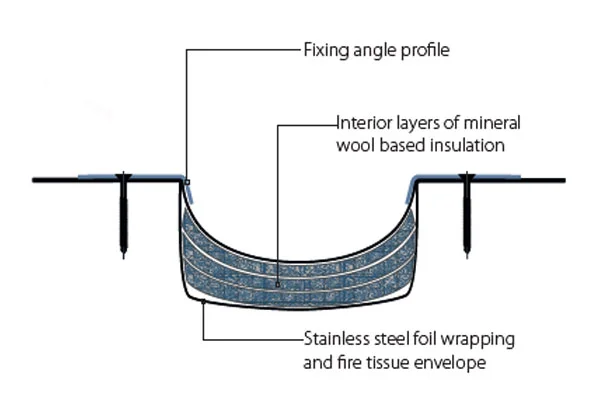
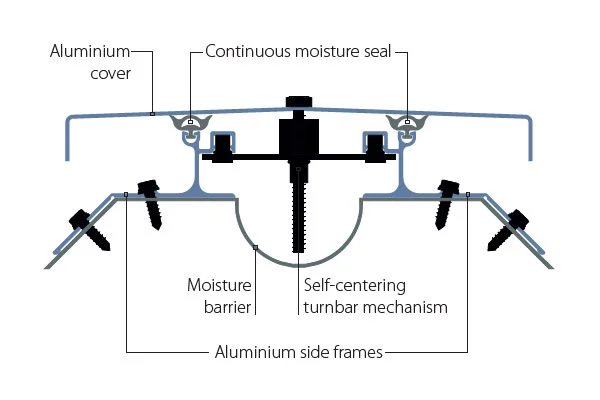
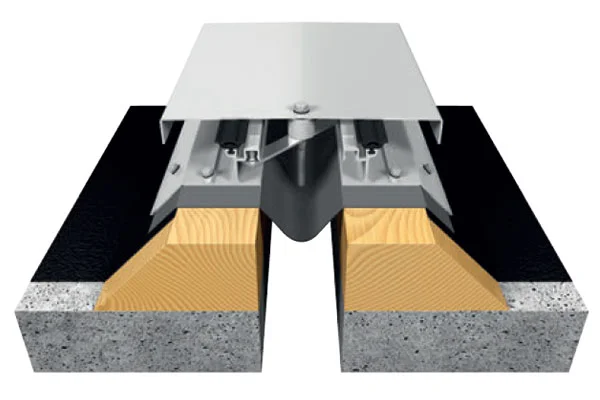
The product landscape within the market includes a range of seismic joint systems. These vary from simple strip seals and compression seals to more complex modular bridge systems and custom-designed assemblies for architectural facades and parking structures. Material composition is equally varied, encompassing neoprene, rubber, metals (such as aluminum and steel), and advanced polymers, each selected based on the required movement capacity, load-bearing needs, and environmental exposure.
The geographical distribution of demand is heavily concentrated in Pakistan’s major metropolitan areas and regions with known seismic hazards. This includes the provinces of Khyber Pakhtunkhwa, Gilgit-Baltistan, and parts of Punjab and Balochistan that lie along fault lines. Furthermore, major urban development projects in cities like Karachi, Lahore, and Islamabad are the primary demand hubs, concentrating both public and private investment in structures that necessitate seismic joint integration.
Demand Drivers and End-Use
Demand for building seismic joints in Pakistan is propelled by a multi-faceted set of drivers that interact with the nation’s unique economic and geological profile. The primary catalyst is the increasing formalization and enforcement of building codes. The adoption of standards such as the Pakistan Building Code (PBC), which incorporates seismic provisions, is becoming more stringent for public projects and is gradually influencing private sector development, particularly for buildings exceeding a certain height or occupancy.
Seismic risk awareness represents a second, potent driver. Historical seismic events in the region have underscored the vulnerability of Pakistan’s built environment. This has led to a heightened focus on disaster risk reduction (DRR) strategies among government bodies, international development agencies, and a growing segment of enlightened developers and corporate clients. The demand is no longer solely about compliance but increasingly about asset protection, business continuity, and reputational management.
The end-use segmentation of the market reveals distinct patterns of adoption and growth potential.
- Public Infrastructure & Civil Works: This is the most consistent and regulation-driven segment. It includes demand from projects related to dams, hydroelectric power plants, major highway and railway bridges, airports, and public hospitals. Government-led development initiatives, often funded through international financing institutions that mandate strict engineering standards, ensure a steady pipeline for high-performance seismic joint systems.
- Commercial Real Estate: The development of high-rise office towers, shopping malls, and mixed-use complexes in major cities is a significant growth area. For Grade A commercial developments targeting multinational tenants or seeking premium valuations, incorporating seismic resilience features like advanced joint systems is a key differentiator and a component of long-term asset management strategy.
- Residential High-Rises: The upper segment of the residential market, particularly luxury apartments and condominiums in urban centers, is beginning to see integration of seismic joints. Marketing safety and structural integrity is becoming a valuable tool for developers in this competitive space, moving beyond mere aesthetics and amenities.
- Industrial & Energy Facilities: Manufacturing plants, warehouses with large floor areas, and energy generation facilities (including thermal and renewable plants) require expansion and seismic joints to manage thermal movement and ensure operational safety. This segment provides stable, project-based demand linked to industrial growth and energy sector investments.
Supply and Production
The supply landscape for building seismic joints in Pakistan is bifurcated, featuring a reliance on imported high-specification systems alongside a growing base of local fabrication for standard or less complex products. Imported joints, primarily sourced from Europe, North America, and increasingly from China and Turkey, dominate the market for large-scale infrastructure projects and premium commercial developments where specific engineering certifications, proven performance histories, and technical support are paramount.
Domestic production is emerging but remains focused on the lower to mid-range of the market. Local fabricators and engineering workshops typically manufacture simpler compression seals, basic strip seals, and metal-based expansion joint covers. Their competitive advantage lies in lower cost, shorter lead times, and adaptability to on-site requirements. However, challenges persist in achieving consistent material quality, obtaining international product certifications, and possessing the in-house engineering design capability for complex, multi-directional movement joints.
The supply chain is fragmented, with several distinct channels serving different customer segments. Direct sales from international manufacturers or their exclusive local representatives are common for large infrastructure tenders. A network of specialized construction product distributors and stockists serves the broader market of contractors and consulting engineers. Furthermore, many large construction contracting firms have established preferred supplier relationships with specific manufacturers, both foreign and domestic, to ensure consistency across their projects.
Key inputs for local production, such as specific grades of rubber, polymers, and corrosion-resistant steel, are often imported, linking domestic supply costs to global commodity prices and currency exchange rates. The level of vertical integration among local suppliers is low, with most acting as assemblers or fabricators rather than primary material producers. This dependence on imported raw materials constrains their ability to compete purely on price during periods of rupee depreciation.
Trade and Logistics
International trade is a cornerstone of the Pakistan building seismic joints market, especially for engineered systems used in critical applications. Imports fulfill a significant portion of the total market demand by value, given the technological edge and certification pedigree of foreign products. The import regime is subject to standard customs duties and taxes applicable to construction materials, which can impact the final landed cost and project budgeting.
Logistics present a notable consideration for both imported and domestically supplied joints. For imports, lead times can be substantial, requiring careful project planning and procurement scheduling. Seismic joints, particularly large modular systems, are often bulky and require specialized handling to prevent damage to sensitive components like seals and sliding surfaces. This necessitates reliable freight forwarding and on-site logistics management to ensure components arrive undamaged and are stored appropriately before installation.
Domestic logistics involve transporting finished products from fabrication workshops, which may be clustered in industrial areas like Karachi’s S.I.T.E or Lahore’s industrial estates, to construction sites across the country. The condition of road infrastructure and the availability of suitable transport can affect delivery timelines and costs, particularly for projects in remote areas or regions with challenging terrain. Effective supply chain management is therefore a competitive differentiator for suppliers serving national projects.
Exports of Pakistani-manufactured seismic joints are negligible at present, reflecting the industry’s focus on meeting domestic demand and the current limitations in achieving the international standards and brand recognition required to compete in global markets. The trade balance in this sector is decisively in deficit, with the value of imports far exceeding any outgoing trade in finished joint systems.
Price Dynamics
Pricing for building seismic joints in Pakistan is highly variable and project-specific, determined by a complex matrix of factors rather than a standardized commodity price. The single most significant determinant is the technical specification of the joint itself. Parameters such as the required movement capacity (in millimeters), load-bearing rating, fire resistance, material composition (e.g., specialized elastomers versus standard rubber), and any custom architectural finishing directly drive the unit cost. A joint designed for a major bridge will command a vastly different price than a simple strip seal for a mid-rise building.
The origin of manufacture exerts a strong influence on price tiers. Premium imported systems from established European or American manufacturers carry a significant price premium, justified by extensive testing data, long-term performance warranties, and brand reputation for reliability in extreme events. Mid-range imports from other regions and high-quality local fabrications compete in an intermediate price band. The most price-sensitive segment is served by basic locally fabricated products or lower-cost imports, where competition is intense and margins are thin.
Project scale and procurement channel also affect final pricing. Large infrastructure projects that involve direct bidding or negotiated contracts with manufacturers may achieve volume-based discounts. Conversely, small-scale purchases through distributors for retrofit or smaller projects will incur higher per-unit costs. Furthermore, the total installed cost, which is of ultimate concern to the contractor or developer, includes not just the product price but also associated costs for detailed shop drawings, engineering support, specialized installation supervision, and any required testing or commissioning services.
Macroeconomic factors, notably the Pakistan Rupee’s exchange rate against major currencies (USD, EUR) and global prices for key raw materials like steel and synthetic rubber, introduce volatility into the cost structure, particularly for import-dependent supply. Domestic inflation affecting labor and energy costs also pressures the pricing of locally fabricated joints. Consequently, pricing is often subject to escalation clauses in supply contracts for projects with long durations.
Competitive Landscape
The competitive environment in the Pakistan building seismic joints market is stratified and reflects the dual structure of supply. The upper tier is occupied by the local subsidiaries, exclusive distributors, or direct project offices of multinational corporations. These companies compete primarily on technological leadership, product performance certification, and the ability to provide comprehensive technical support from the design phase through to installation. Their clientele consists largely of government agencies, large engineering procurement and construction (EPC) contractors, and consultants working on flagship projects.
The mid-tier comprises established local fabricators and engineering firms that have developed technical competence in producing standardized joint systems. These companies compete on the basis of cost-effectiveness, responsiveness, and the ability to customize products within a certain range. They often build strong relationships with regional contractors and consultants. A growing number of importers focusing on mid-range products from Turkey, China, or the Gulf region also operate in this space, offering a balance between price and perceived quality.
The lower tier is highly fragmented, consisting of numerous small workshops and traders offering basic joint materials and simple fabrication. Competition here is almost entirely price-driven, with minimal emphasis on engineering design or long-term performance guarantees. This segment caters to the vast market of low-budget construction where seismic provisions may be minimally implemented or where product selection is driven by lowest initial cost rather than lifecycle value.
Key competitive factors across all tiers include:
- Technical expertise and design support capability.
- Product quality, certifications, and proven performance history.
- Price competitiveness and value engineering offerings.
- Supply chain reliability and ability to meet project timelines.
- After-sales service and installation guidance.
- Strength of relationships with consulting engineering firms and specifiers.
Market consolidation is limited, with the landscape remaining fragmented. However, there is a discernible trend among leading local fabricators to move up the value chain by investing in better testing equipment, pursuing quality certifications, and hiring engineering talent to compete for more technically demanding projects.
Methodology and Data Notes
This market analysis for Pakistan’s building seismic joints sector is built upon a rigorous, multi-layered research methodology designed to ensure accuracy, depth, and actionable insight. The core approach integrates quantitative data gathering with qualitative expert assessment to triangulate market size, structure, and dynamics as of the 2026 edition. The forecast perspective to 2035 is derived through analytical modeling based on identified demand drivers, regulatory trends, and macroeconomic projections.
Primary research formed the backbone of the study, involving a extensive program of in-depth interviews with key industry stakeholders. This included structured discussions with executives from international suppliers and local manufacturers, leading construction contractors and project managers, consulting structural and civil engineers, architects specializing in large-scale projects, and procurement officials from public sector development authorities. These interviews provided critical ground-level perspective on procurement processes, specification trends, pricing mechanisms, and competitive behaviors.
Secondary research encompassed a comprehensive review of publicly available and proprietary data sources. This included analysis of government publications on construction activity and infrastructure spending, tender documents for major projects, industry association reports, trade statistics, company financials (where available), and technical literature on building codes and seismic design practices. Financial analysis of publicly listed entities in related construction and materials sectors was used to infer broader market health and investment trends.
The market sizing and segmentation estimates are the product of a bottom-up and top-down analytical model. The bottom-up approach aggregated project-level demand estimates based on construction pipeline analysis. The top-down approach cross-validated these figures using macroeconomic indicators of construction investment and imports of relevant product categories. All growth rates, market shares, and qualitative assessments presented are the result of this synthesized analytical process. Specific absolute numerical data cited within the report is drawn exclusively from the provided and verified FAQ dataset.
Outlook and Implications
The trajectory of the Pakistan building seismic joints market from the 2026 analysis point through the forecast horizon to 2035 is projected to be one of robust growth and increasing sophistication. The fundamental drivers of regulatory enforcement, seismic awareness, and sustained infrastructure development are expected to intensify, expanding the addressable market beyond its current niches. Growth rates are anticipated to outpace the general construction sector as the penetration of seismic design principles deepens across more building typologies and geographic regions.
A key implication of this outlook is the escalating need for technical skill development across the value chain. This includes not only the engineering design capabilities within consulting firms but also the installation expertise among construction workforces. The risk of performance failure due to improper installation is significant; therefore, the market’s maturation will be accompanied by a growing emphasis on certified installers, supervision protocols, and post-installation inspection regimes. Training and capacity building will become a critical area of focus for both suppliers and project owners.
The competitive landscape is likely to evolve, with increased pressure for consolidation and strategic partnerships. Leading local fabricators may seek joint ventures or technology transfer agreements with international players to access advanced designs and certifications. International suppliers, in turn, may increase local assembly or customization operations to improve cost competitiveness and responsiveness. The distinction between “local” and “international” supply will blur, giving rise to hybrid models that leverage global technology with local execution.
For investors and market entrants, the outlook suggests opportunities not only in the direct manufacturing or supply of joint systems but also in adjacent areas. These include the distribution of specialized installation tools, the provision of non-destructive testing and monitoring services for installed joints, and the development of digital tools for joint selection and specification. The market’s growth will create a ripple effect, benefiting material suppliers, engineering software providers, and quality assurance services.
Policymakers and regulators face the critical task of bridging the gap between code provisions on paper and their effective implementation on the ground. Strengthening the enforcement mechanism, particularly for private sector construction, and promoting incentives for seismic resilience will be vital to realizing the full market potential and, more importantly, enhancing national structural safety. The evolution of the seismic joints market will thus serve as a tangible barometer of Pakistan’s progress in building a more resilient and sustainable infrastructure foundation for its future growth.
Source: IndexBox Platform