Executive Summary
The United Arab Emirates building seismic joints market represents a critical and sophisticated segment within the nation’s advanced construction and infrastructure ecosystem. Driven by stringent regulatory frameworks, ambitious urban development projects, and a strategic shift towards long-term building resilience, the market is characterized by increasing technical specifications and a growing preference for high-performance materials. This report provides a comprehensive 2026 analysis of the market’s structure, key demand drivers, supply dynamics, and competitive environment, extending its perspective through a forecast horizon to 2035.
The market’s evolution is intrinsically linked to the UAE’s broader economic vision, which prioritizes sustainable urbanism, tourism expansion, and infrastructure diversification beyond traditional hydrocarbon centers. Demand is bifurcated between retrofitting existing critical infrastructure and incorporating advanced seismic mitigation technologies into new flagship developments. This creates a stable, project-driven demand pipeline that is less susceptible to short-term cyclical fluctuations than general construction.
This analysis concludes that the UAE market is transitioning from a niche, code-compliance driven sector to a mature component of value engineering and risk management in construction. The outlook to 2035 suggests continued growth underpinned by regulatory rigor, geographic expansion of development hubs, and technological innovation in joint systems. Stakeholders must navigate a landscape defined by high-quality standards, the influence of international engineering consultancies, and the strategic importance of reliable supply chains and localized technical expertise.
Market Overview
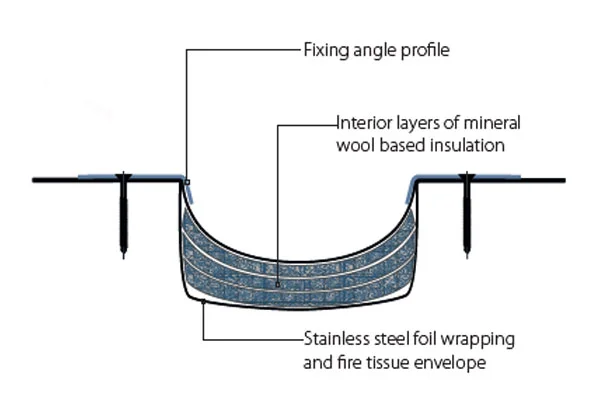
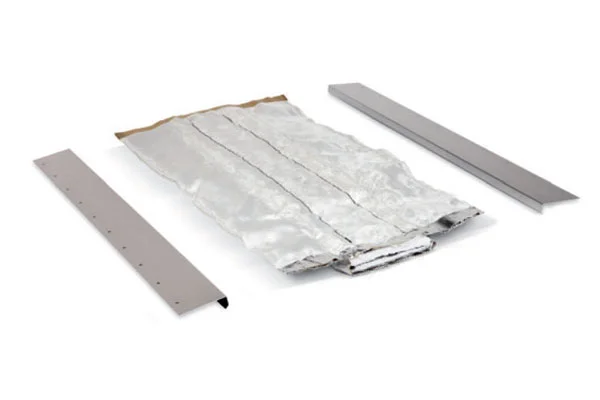
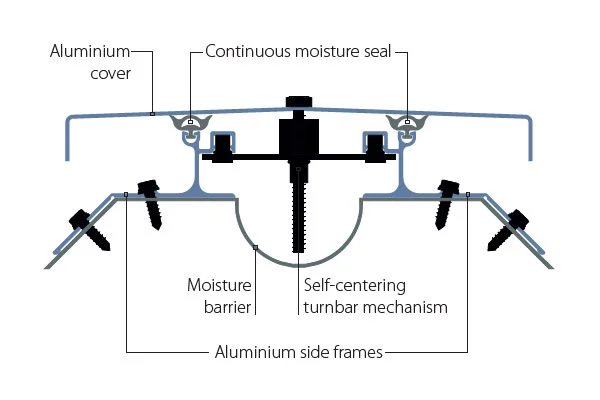
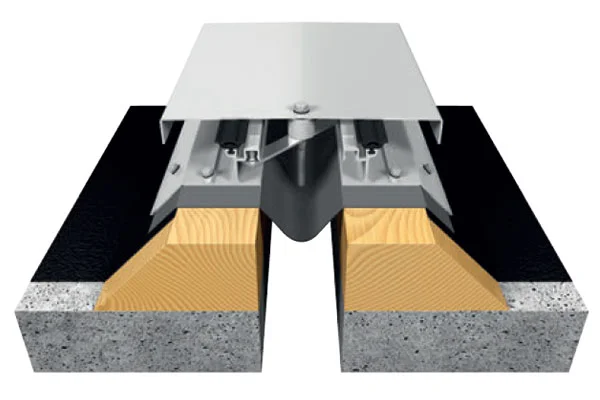
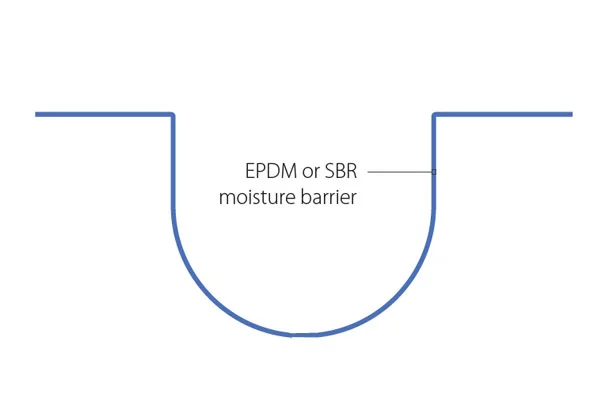
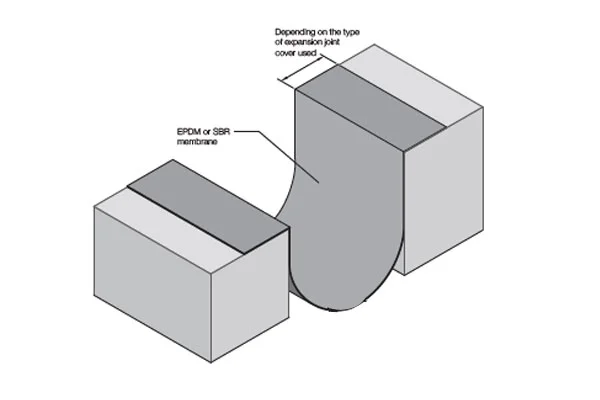
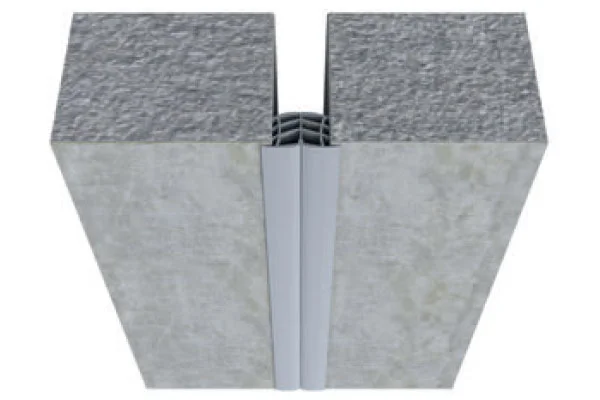
The UAE building seismic joints market is a specialized engineering-driven sector focused on the supply and installation of structural components designed to absorb and accommodate movement caused by seismic events, thermal expansion, wind sway, and settlement. These systems are paramount for ensuring the structural integrity, safety, and longevity of mid- to high-rise buildings, long-span structures, critical infrastructure, and facilities in areas of potential geological activity. The market encompasses a range of products including expansion joints, seismic buffers, bearing pads, and associated sealing and fire-stopping systems.
The market’s foundation is the UAE’s robust building codes, which have progressively incorporated international best practices for seismic design, particularly in the wake of global events highlighting seismic risk. While the UAE is not located on a major tectonic plate boundary, low-to-moderate seismic activity in the surrounding region, combined with the concentration of high-value assets and dense urban populations, has justified a proactive engineering approach. This regulatory environment mandates the use of seismic joints in a wide array of structures, creating a consistent baseline demand.
Geographically, demand is concentrated in the emirates of Abu Dhabi and Dubai, which host the majority of the nation’s tall buildings, mega-projects, and critical infrastructure. However, development initiatives in Sharjah, Ras Al Khaimah, and other northern emirates are gradually contributing to market diversification. The market is project-centric, with demand volumes and specifications directly tied to the pipeline of large-scale commercial, residential, hospitality, and public infrastructure projects announced and executed by government-related entities and private developers.
Demand Drivers and End-Use
Demand for building seismic joints in the UAE is propelled by a confluence of regulatory, economic, and strategic factors. The primary driver remains the enforcement and continuous evolution of national building codes, such as the UAE Fire and Life Safety Code and the adoption of internationally recognized standards like the International Building Code (IBC). These codes explicitly require movement joint systems in structures exceeding certain heights or lengths, and in buildings classified as essential facilities, ensuring a non-discretionary market foundation.
Beyond compliance, key demand drivers include the sustained investment in mega-projects and urban expansion. Flagship initiatives like Dubai’s Urban Plan 2040, the development of cultural districts, expansive tourism and entertainment destinations, and Abu Dhabi’s economic diversification projects under the “Ghadan 21” accelerator program all necessitate advanced structural engineering solutions. The trend towards constructing super-tall and complex geometric buildings further amplifies the technical requirements and value of sophisticated joint systems.
The end-use segmentation of the market is clearly defined by project type:
- Commercial Real Estate: Office towers, mixed-use developments, and business districts represent the largest segment, demanding high-performance joints for occupant safety and asset protection.
- Hospitality and Tourism: Luxury hotels, resorts, and large entertainment complexes prioritize resilience and uninterrupted operation, driving demand for reliable systems.
- Residential High-Rises: Premium residential towers incorporate seismic joints as a standard feature for safety and comfort, influenced by developer branding and regulatory mandates.
- Public and Critical Infrastructure: This includes airports, metro systems, hospitals, government buildings, and museums, where functionality during and after an event is paramount, often specifying the most advanced joint technologies.
- Industrial and Energy: Facilities such as power plants, desalination units, and strategic industrial warehouses require specialized joints to protect sensitive machinery and ensure continuous operation.
A growing secondary driver is the retrofitting and refurbishment of existing building stock, particularly older towers and critical infrastructure, to bring them up to modern safety standards. This segment is expected to gain prominence over the forecast period to 2035 as the UAE’s built environment ages and resilience standards are periodically upgraded.
Supply and Production
The supply landscape for building seismic joints in the UAE is predominantly import-dependent, characterized by the presence of global specialty manufacturers and a network of authorized distributors and technical representatives. There is minimal local manufacturing of the core engineered joint components, such as multi-directional bearings or advanced elastomeric systems, due to the high technological barriers, certification requirements, and the relatively specialized nature of demand that does not yet justify large-scale local production.
International suppliers from Europe, North America, and Asia-Pacific hold the dominant market share, leveraging their extensive R&D heritage, global testing certifications, and proven performance in seismic regions worldwide. These companies typically go to market through exclusive agreements with well-established UAE-based trading and engineering supply firms. These local partners are crucial, providing inventory holding, local logistics, and, most importantly, on-the-ground technical support, specification guidance, and liaison with consulting engineers and contractors.
The supply chain is thus a hybrid model: core high-tech components are imported, while value-added services like cutting-to-size, kit preparation, and the supply of complementary materials (sealants, cover plates, fire barrier materials) may be handled locally. The just-in-time delivery model is challenging due to the project-based and often unpredictable installation schedules in construction, placing a premium on local stockholding and agile logistics. Supply reliability and the ability to provide certified test reports and detailed calculation packages are key differentiators for suppliers in this technically rigorous market.
Trade and Logistics
International trade is the lifeblood of the UAE building seismic joints market. The country’s status as a global logistics and re-export hub, with world-class ports like Jebel Ali and Khalifa Port, facilitates the efficient inflow of specialized construction materials. Imports arrive primarily from manufacturing centers in Germany, Italy, the United Kingdom, the United States, Japan, and increasingly from cost-competitive and quality-focused producers in South Korea and China.
The logistics chain within the UAE is highly developed but faces specific challenges related to the nature of the product. Seismic joint components can be bulky, heavy, and require careful handling to prevent damage to precision-engineered surfaces or elastomeric elements. Transportation from ports to central warehouses and then to often congested urban construction sites requires specialized planning. Furthermore, the need for specific components to arrive in sync with precise construction phases (e.g., during the casting of a specific floor or segment) demands rigorous supply chain coordination between the supplier, main contractor, and structural engineer.
Customs clearance is generally efficient, but compliance with UAE Standardization (ESMA) and Civil Defense requirements for material certifications and fire ratings can add layers of documentation and pre-approval time. The absence of significant local production means the market is exposed to global supply chain disruptions, fluctuations in international freight costs, and currency exchange volatility, all of which can impact project costing and timelines. Successful market participants mitigate these risks through strategic inventory management and long-term relationships with global manufacturers.
Price Dynamics
Pricing in the UAE building seismic joints market is not commoditized; it is highly project-specific and tiered based on performance characteristics, brand reputation, and certification levels. The cost structure is influenced by three primary elements: the raw material costs of steel, rubber, polymers, and specialty alloys; the engineering and manufacturing complexity of the joint system; and the scope of technical services provided. Prices are typically quoted on a project basis, considering the total linear meters or units required, the performance specifications (e.g., movement capacity, load rating, fire resistance), and the required supporting calculations and documentation.
The market exhibits a clear price segmentation. At the premium tier are globally recognized brands with long histories in seismic protection, offering systems with extensive third-party testing, international project references, and comprehensive design software support. These command a significant price premium, justified for iconic projects, critical infrastructure, and where specifications explicitly name these brands. A mid-tier consists of reputable international manufacturers offering robust, code-compliant systems with good technical backing. An emerging value tier includes imported systems from newer manufacturing regions that compete primarily on price for less complex or lower-risk applications.
Price sensitivity varies by client and project type. Government and large-scale developer projects, while cost-conscious, often prioritize proven performance and liability protection, making them less sensitive to premium pricing. In contrast, some private residential or commercial projects with tighter budgets may engage in more aggressive value engineering, potentially opting for mid-tier solutions. Competitive pressure is increasing, not through price wars on identical products, but through the offering of alternative engineered solutions that meet the performance specification at a different cost point. Over the forecast period to 2035, input cost volatility and potential shifts in trade policies will remain key variables influencing price stability.
Competitive Landscape
The competitive environment is consolidated among a limited number of global technical leaders, each with entrenched positions through long-standing local partnerships. Competition is based on technical authority, certification portfolios, project track records, and the quality of local technical support rather than on price alone. Market share is contested at the specification stage, where international and local consulting engineering firms play a decisive role in recommending or approving systems based on project requirements.
The key competitive strategies observed in the market include:
- Technical Specification Influence: Investing in educating and supporting specifiers (structural engineers) through seminars, software tools, and detailed design guides.
- Local Partnership Strength: Cultivating deep, exclusive relationships with distributors who have strong sales networks and credibility with main contractors.
- Product Range and System Integration: Offering comprehensive solutions that include not just the joint but also integrated fire barriers, cover plates, and waterproofing systems.
- Project Reference Banking: Successfully executing high-profile projects that serve as powerful references for future bids.
- After-Sales and Warranty Services: Providing robust warranties and accessible technical support for the duration of the construction and beyond.
While the market is dominated by multinational corporations, there is limited competition from local fabricators for very simple, low-performance expansion joint covers or ancillary components. However, for the core seismic movement functionality, the barriers to entry remain prohibitively high due to R&D costs, testing requirements, and the need for global credibility. The competitive landscape is therefore stable in terms of key players but dynamic in terms of the technical solutions and service packages they bring to each major project.
Methodology and Data Notes
This report has been compiled using a multi-faceted research methodology designed to ensure analytical rigor and a comprehensive market perspective. The primary approach involves extensive analysis of official data sources, including UAE government statistics on construction output, building permits, and international trade databases to quantify material flows. This quantitative foundation is cross-referenced with project intelligence from tender announcements, industry publications, and project tracking services to align data with real-world development pipelines.
The core analytical process integrates this data with insights from in-depth interviews conducted with a carefully selected panel of industry participants. This panel includes executives and technical managers from international seismic joint manufacturers, UAE-based distributors and suppliers, senior structural engineers from leading consulting firms, project managers from major contracting companies, and procurement specialists from large development entities. These interviews provide critical qualitative context on market dynamics, specification processes, pricing strategies, and emerging trends that cannot be captured by quantitative data alone.
All market size estimations, growth rate inferences, and segment shares presented are the result of this triangulation process, combining top-down macroeconomic and sector analysis with bottom-up validation from industry experts. It is important to note that the “market” is defined as the value of seismic joint systems supplied for incorporation into building and infrastructure projects within the UAE, irrespective of the country of origin of the manufacturer. The forecast projections to 2035 are based on modeled correlations between established demand drivers, announced project pipelines, and long-term economic and urban planning visions, and are presented as directional trends rather than precise numerical predictions.
Outlook and Implications
The outlook for the UAE building seismic joints market from the 2026 analysis point through the forecast horizon to 2035 is one of sustained, stable growth underpinned by structural rather than cyclical factors. The fundamental drivers—stringent building codes, continuous mega-project development, and an increasing focus on asset resilience and longevity—are expected to remain firmly in place. The market will continue to benefit from the UAE’s strategic investments in diversifying its economy through tourism, logistics, and knowledge-based industries, all of which require modern, safe, and durable built infrastructure.
Key implications for industry stakeholders are multifaceted. For suppliers and distributors, the emphasis will increasingly shift towards providing holistic “solutions” rather than just products. This includes digital tools for design and specification, enhanced technical advisory services, and stronger collaboration with contractors during the installation phase to ensure optimal performance. The ability to demonstrate sustainability credentials, such as the use of recycled materials or long-lifecycle benefits, will become a more prominent competitive factor as ESG (Environmental, Social, and Governance) considerations gain weight in project approvals and corporate procurement policies.
For buyers, including developers, contractors, and government entities, the market’s evolution suggests a need for more sophisticated procurement strategies. Early engagement with specialists during the design phase can optimize system selection and integration, potentially yielding better long-term value than a pure lowest-cost tender approach. Furthermore, as the building stock ages, the market for inspection, maintenance, and retrofit of existing seismic joints will emerge as a significant secondary segment, creating opportunities for service-oriented business models. In conclusion, the UAE building seismic joints market is poised to mature in tandem with the nation’s built environment, transitioning from a specialized input to an integral component of intelligent, resilient, and sustainable construction practice.
Source: IndexBox Platform