Executive Summary
The Spanish market for building seismic joints represents a critical and evolving segment within the nation’s broader construction and civil engineering industry. As of the 2026 analysis, this market is characterized by a complex interplay of regulatory mandates, technological advancement, and regional demand patterns tied to seismic risk zones. The increasing stringency of building codes, particularly in the wake of heightened seismic awareness, is compelling both new construction and retrofit projects to incorporate advanced seismic isolation and movement joint systems. This report provides a comprehensive examination of the market’s current state, key dynamics, and projected trajectory through 2035.
Growth is fundamentally driven by a multi-faceted set of factors. These include mandatory compliance with updated national and European seismic standards, the ongoing need for critical infrastructure resilience, and a sustained focus on the renovation and seismic upgrading of the existing building stock, especially in vulnerable regions. The market’s evolution is not uniform, however, with significant variance in demand intensity between high-risk areas like the southern and southeastern coasts and regions with lower perceived seismic activity.
The competitive landscape is populated by a mix of specialized international engineering firms and domestic manufacturers and installers, all vying for contracts in both public tenders and private developments. The forecast period to 2035 anticipates a market that will continue to be shaped by technological innovation in materials and design, further regulatory refinement, and the overarching trends in Spain’s construction sector, including sustainability and digitalization. This analysis equips stakeholders with the insights necessary to navigate this specialized but vital market.
Market Overview
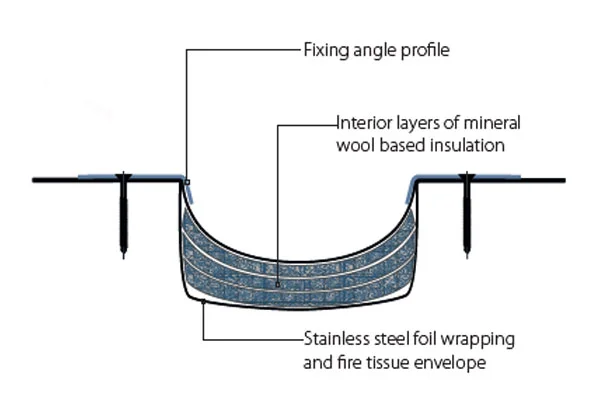
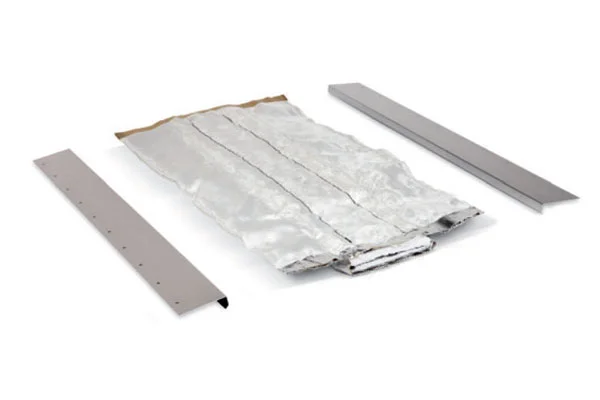
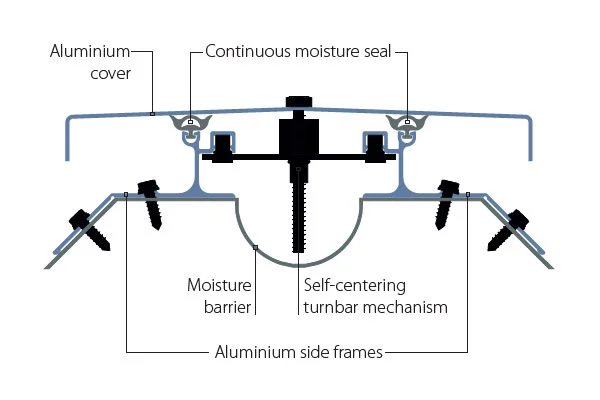
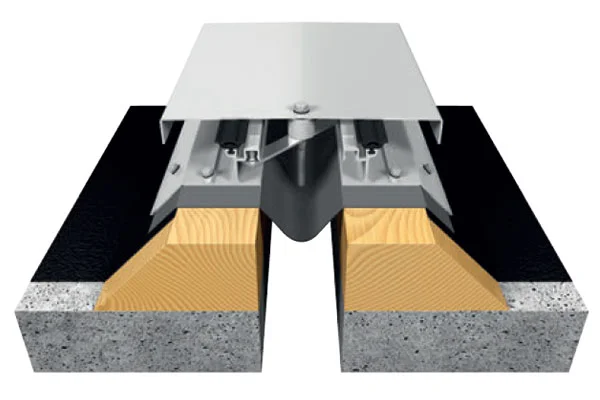
The Spain building seismic joints market is a specialized niche integral to structural engineering and public safety. Seismic joints, also known as expansion joints or movement joints, are engineered components designed to absorb and accommodate movements caused by seismic events, thermal expansion, wind sway, and settlement. In the Spanish context, their application is primarily governed by the seismic hazard map defined in the National Building Code (Código Técnico de la Edificación, CTE) and its specific seismic safety standard (Documento Básico SE-AE).
The market encompasses a range of product types, from simple elastomeric bearings and sliding joints to complex seismic isolation systems like lead-rubber bearings and friction pendulum isolators. Demand is segmented across various end-use sectors, each with distinct requirements and procurement cycles. The market’s size and growth are intrinsically linked to construction activity levels, but with a pronounced bias towards projects in designated seismic zones and those involving high-importance or critical infrastructure.
As of the 2026 analysis, the market is in a phase of maturation and technological adoption. The aftermath of notable seismic events in the Mediterranean region has reinforced the importance of seismic preparedness, influencing both regulatory bodies and developer mindsets. The market’s value chain extends from raw material suppliers (specialty metals, polymers) through to design consultants, manufacturers, certified installers, and inspection authorities, creating a complex ecosystem with high barriers to entry in terms of technical expertise and certification.
Demand Drivers and End-Use
Demand for building seismic joints in Spain is propelled by a confluence of regulatory, economic, and risk-mitigation factors. The primary and most powerful driver is the evolving regulatory framework. Progressive updates to the CTE and alignment with Eurocodes have systematically raised the mandatory design requirements for buildings in seismic zones, directly translating into increased specification and installation of seismic joint systems.
The end-use market is diverse, with demand flowing from several key sectors:
- Public Infrastructure: This is the most consistent and regulation-driven segment. It includes seismic protection for bridges, overpasses, hospitals, emergency response centers, schools, and other critical public buildings. Public tenders for such projects are a major source of demand, often requiring the highest performance certifications.
- Commercial and Industrial Construction: Large-scale commercial complexes, office towers, industrial plants, and warehouses in seismic zones increasingly incorporate seismic joints as a standard risk-mitigation and insurance requirement. This segment is sensitive to overall economic cycles and investment in industrial capacity.
- Residential Construction: While cost sensitivity is higher, multi-story residential buildings, especially those exceeding certain height thresholds or built in high-risk areas, are a growing application segment. Demand is further bolstered by renovation projects aimed at seismic retrofitting of existing residential blocks.
- Cultural Heritage and Renovation: A specialized but important segment involves the seismic retrofit of historical buildings and monuments. This requires bespoke, minimally invasive joint solutions that preserve architectural integrity while enhancing safety.
Beyond regulation, other drivers include rising insurance premiums for non-compliant structures, increased developer and investor awareness of long-term asset resilience, and the professional liability of architects and engineers, who are increasingly specifying advanced systems as a standard of care.
Supply and Production
The supply landscape for seismic joints in Spain features a blend of international specialization and domestic industrial capability. Core high-technology components, particularly for advanced base isolation systems like lead-core rubber bearings or sophisticated damping devices, are often supplied by a handful of global engineering firms with specialized manufacturing plants, typically located outside of Spain. These companies possess extensive intellectual property, testing credentials, and a track record on major international projects.
Conversely, a range of domestic manufacturers and fabricators play a crucial role in the market. These local suppliers often focus on the production of more standardized expansion joint systems, metal rail assemblies, elastomeric bearings for smaller-scale applications, and custom fabrication based on licensed designs. Their competitive advantages include shorter lead times, lower logistics costs for bulky components, and strong relationships with local construction firms and engineering consultancies.
The production process is knowledge- and capital-intensive, requiring precision engineering, rigorous quality control, and adherence to strict international standards (e.g., EN 15129 for anti-seismic devices). Supply chain robustness has become a heightened concern, as key raw materials such as specialty steel, high-grade rubber, and lead can be subject to price volatility and availability constraints. The market’s supply side is thus characterized by a hybrid model where complex, project-specific systems are imported or produced under license, while complementary products and installation services are deeply rooted in the domestic industrial base.
Trade and Logistics
International trade is a defining feature of the Spanish seismic joints market, reflecting the technological specialization of global leaders. Spain is a net importer of high-value, engineered seismic isolation and damping components. These imports primarily originate from other European Union countries with strong seismic engineering traditions, as well as from Japan and the United States, which are pioneers in seismic isolation technology. The import flow is concentrated on specific, large-scale projects where proprietary technology is specified.
Exports from Spain in this sector are more limited but do exist. They typically consist of standardized expansion joint products, certain types of bearings, and related ancillary materials supplied to construction projects in other European countries, Northern Africa, and Latin America, often by Spanish construction firms operating internationally. The trade balance underscores the technological gap in the most advanced product categories.
Logistics present unique challenges due to the nature of the products. Seismic joints, especially large isolators or long rail systems, are often heavy, bulky, and require careful handling to prevent damage. Transportation to construction sites requires specialized equipment and planning. Furthermore, just-in-time delivery is critical in construction project timelines, making reliable supply chains and efficient customs procedures (for imports) essential for market fluidity. Warehousing for these large components is also a consideration for both distributors and large contractors.
Price Dynamics
Pricing within the seismic joints market is highly variable and project-specific, resisting simple standardization. The cost structure is dominated by several key factors. First, the type and technological sophistication of the system is paramount: a full base isolation system for a hospital will command a vastly higher price per unit than standardized expansion joint covers for a parking garage. Material costs, particularly for high-grade steel, specialized rubber compounds, and proprietary alloys, form a significant portion of the final price.
Second, pricing is heavily influenced by project scale and customization. Large infrastructure projects can achieve economies of scale, while bespoke solutions for heritage buildings or complex architectural designs incur substantial engineering and fabrication premiums. Third, the competitive landscape affects pricing; projects procured through public tender can be highly price-competitive, while private projects specifying proprietary technology may have less price elasticity.
Over the review period leading to 2026, the market has experienced upward price pressure from global increases in raw material and energy costs. However, this has been partially offset by advances in manufacturing efficiency and growing market competition. Price is not the sole determinant in procurement; certification, proven performance in independent testing, warranty conditions, and the supplier’s track record for technical support are often equally or more important in the selection process, given the life-safety function of the products.
Competitive Landscape
The competitive environment in the Spanish seismic joints market is segmented and stratified. The top tier consists of a small number of multinational corporations that are technology leaders in seismic isolation and advanced damping. These companies compete primarily on the basis of proprietary technology, extensive global project portfolios, and the ability to provide full-service packages from design consultancy through to supply and commissioning supervision. They are typically involved in landmark infrastructure and high-rise projects.
The middle tier comprises established European and Spanish manufacturers of construction bearings and expansion joint systems. These firms compete on a mix of product quality, price, delivery reliability, and strong technical sales support. They often hold relevant European Technical Assessments (ETAs) and certifications crucial for public tenders. The lower tier includes smaller domestic fabricators and distributors who may focus on specific product niches, regional markets, or serve as subcontractors for installation services.
Key competitive factors extend beyond product features to include:
- Technical advisory and design support capabilities.
- Comprehensive certification and testing documentation.
- After-sales service and long-term maintenance support.
- Strategic partnerships with leading Spanish engineering and construction firms.
The landscape is dynamic, with some domestic firms seeking to move up the value chain through partnerships, licensing agreements, or in-house R&D to develop more advanced products tailored to the specific seismic and climatic conditions of Spain.
Methodology and Data Notes
This market analysis for Spain’s building seismic joints sector is built upon a rigorous, multi-layered research methodology designed to ensure accuracy, depth, and actionable insight. The core approach integrates quantitative data gathering with qualitative expert assessment. Primary research forms the backbone of the study, consisting of structured interviews and surveys conducted with key industry stakeholders across the value chain.
These primary sources include executives and engineering leads from seismic joint manufacturers and suppliers, both international and domestic. Furthermore, in-depth discussions were held with structural engineering consultants, architects specializing in seismic design, and procurement officials from large construction contractors and public works agencies. This primary intelligence is critical for understanding technical trends, procurement criteria, and market sentiment.
The primary research is triangulated with and supported by extensive secondary research. This involves the systematic analysis of official data from Spanish and European statistical bodies regarding construction output, building permits, and public infrastructure investment. Trade databases are scrutinized to map import and export flows of relevant product categories under specific Harmonized System (HS) codes. Furthermore, a comprehensive review of technical literature, regulatory publications (CTE updates, regional decrees), company financial reports, and tender announcements is conducted to validate and contextualize findings.
All market size estimations, growth rate calculations, and segment shares presented in this report are derived from this synthesized data model. It is important to note that the “market” is defined as the value of seismic joint systems supplied for installation in buildings and civil structures within Spanish territory, regardless of the origin of manufacture. The forecast projections to 2035 are based on econometric modeling that considers the interplay of the demand drivers, regulatory timelines, and macroeconomic indicators outlined in this report, and are presented as directional trends and relative growth rather than invented absolute figures.
Outlook and Implications
The outlook for the Spain building seismic joints market from the 2026 analysis point through the forecast horizon to 2035 is one of cautious but sustained growth, underpinned by non-negotiable regulatory and safety imperatives. The market is expected to outpace general construction growth rates due to the deepening penetration of seismic protection standards across a wider range of building types and regions. The ongoing process of regulatory evolution, likely incorporating lessons from global seismic events and advances in engineering science, will continue to be the single most powerful force shaping demand.
Technological innovation will be a key theme, with implications for both suppliers and specifiers. Trends to watch include the development of “smart” joints with integrated sensors for structural health monitoring, the use of new composite materials for lighter and more durable systems, and design optimization through advanced digital modeling and simulation. Sustainability considerations will also become more prominent, influencing material selection and the lifecycle assessment of seismic protection systems.
For industry participants, the implications are clear. Manufacturers and suppliers must invest in continuous R&D and maintain the highest levels of certification to remain competitive. Building deep, collaborative relationships with engineering consultancies will be crucial for specification success. For contractors and developers, factoring in the cost and lead times for sophisticated seismic systems early in the project planning phase will be essential to avoid budget and schedule overruns. For policymakers and regulators, the challenge will be to balance enhanced safety requirements with practical considerations of cost and feasibility, ensuring that the regulatory framework drives innovation and resilience without stifling construction activity. Ultimately, the market’s trajectory reflects Spain’s ongoing commitment to building a more resilient and safer built environment in the face of natural hazards.
Source: IndexBox Platform