Executive Summary
The Romanian building seismic joints market is entering a period of structural transformation, driven by a confluence of regulatory evolution, infrastructure modernization, and heightened risk awareness. This report provides a comprehensive 2026 analysis and projects the strategic landscape through 2035, offering stakeholders a critical roadmap for navigating the coming decade. The market’s trajectory is no longer solely tied to new construction volumes but is increasingly defined by the imperative for seismic resilience in both new builds and the vast existing building stock.
Core demand is bifurcating between large-scale public infrastructure projects, which set technical benchmarks, and a burgeoning private sector focus on compliance and asset protection. The impending implementation of more stringent seismic design codes, aligned with Eurocode 8, acts as a primary catalyst, compelling architects, engineers, and developers to integrate advanced seismic isolation and movement joint solutions at the design phase. This shift from a cost-centric to a value-engineering perspective is reshaping procurement channels and product specifications.
Supply dynamics are characterized by the dominance of established international manufacturers, who compete on brand reputation and certified technical performance, alongside a growing cohort of regional and local suppliers competing on price, flexibility, and service. The market’s future will be determined by the interplay of regulatory enforcement, public investment cycles, and the construction industry’s capacity to adopt and integrate advanced seismic mitigation technologies as a standard practice rather than an exceptional measure.
Market Overview
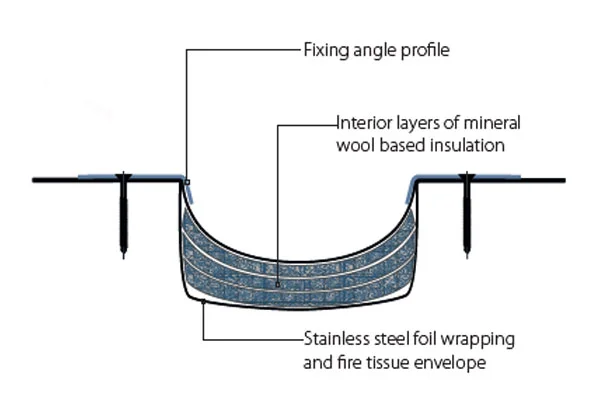
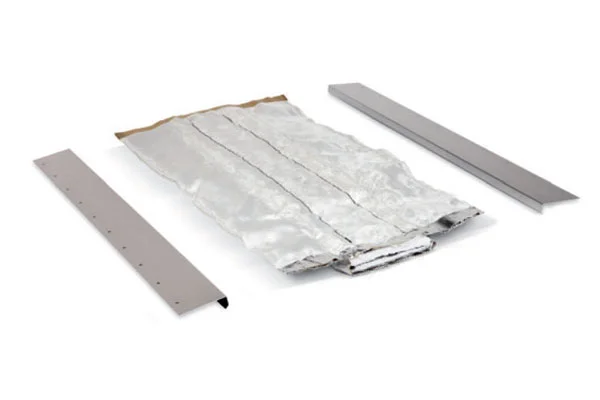
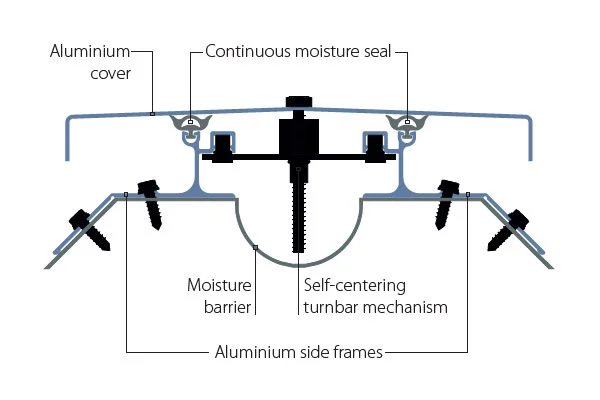
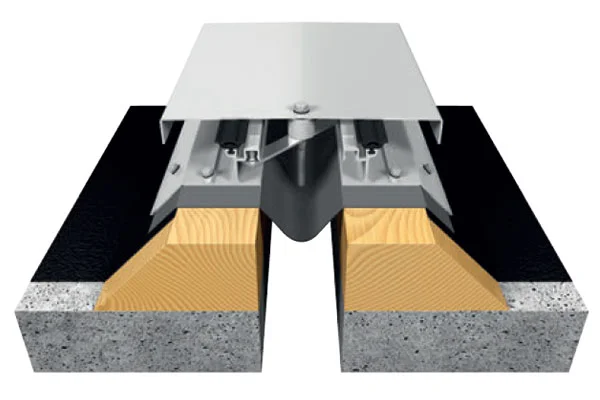
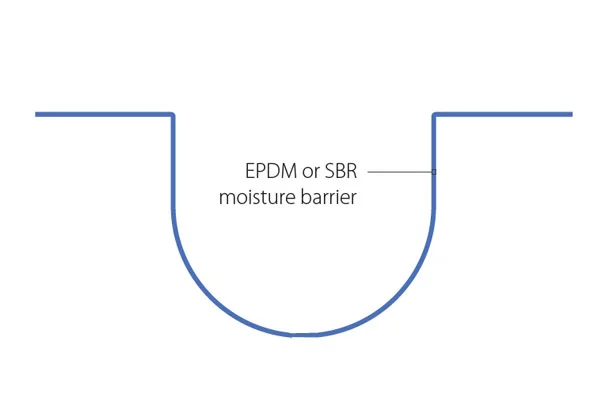
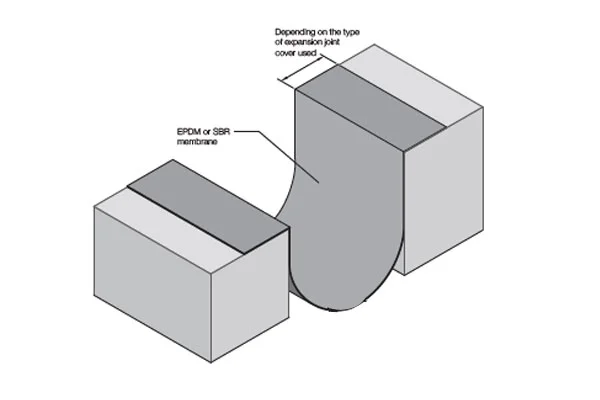
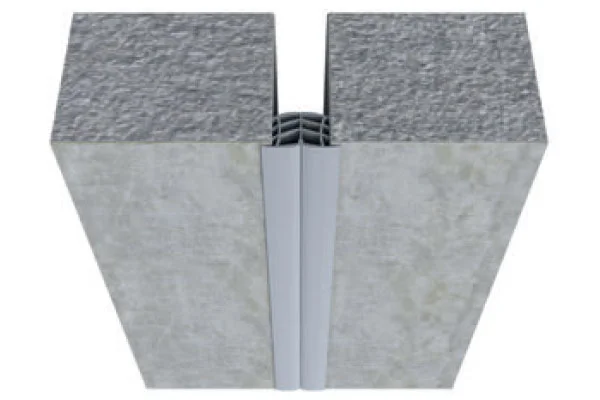
The Romanian market for building seismic joints encompasses a specialized range of engineered products designed to absorb and accommodate dynamic movements caused by seismic activity, thermal expansion, and settlement. These systems include expansion joints, seismic isolators (elastomeric bearings, sliding isolators), and damping devices, which are integral to modern seismic design philosophy. The market’s current structure reflects Romania’s geographic position in a seismically active region and its ongoing journey in construction code harmonization with European Union standards.
Historically, market development was sporadic, often reactive to specific seismic events or major public projects. The contemporary market, as analyzed in this 2026 edition, demonstrates a more proactive and institutionalized demand pattern. Growth is underpinned by a national reassessment of seismic risk following global events and a maturing understanding of lifecycle cost benefits. The market serves a diverse project portfolio, from critical infrastructure like hospitals and bridges to commercial high-rises and, increasingly, sensitive retrofits of historical buildings.
The legal and normative framework, primarily the national transposition of Eurocode 8 (Design of structures for earthquake resistance), provides the foundational demand driver. However, market size and penetration rates are directly influenced by the rigor of local interpretation, enforcement by building authorities, and the technical proficiency of design firms. The period to 2035 will see this framework solidify, moving from selective application on landmark projects to standardized requirement for a broader building typology.
Market value is derived not only from the sale of joint systems but also from associated design services, testing, certification, and installation supervision. This creates a value chain where technical advice and proven performance often outweigh pure price competition. The market remains concentrated in urban centers and regions with higher perceived seismic hazard, but awareness is gradually becoming nationwide.
Demand Drivers and End-Use
Demand for seismic joints in Romania is propelled by a multi-faceted set of drivers that extend beyond basic construction activity. The primary catalyst is regulatory mandate. The full and stringent enforcement of seismic design codes, particularly for public buildings and infrastructure, creates a non-negotiable demand base. This is compounded by due diligence requirements from international investors and insurers financing large commercial or industrial projects, who mandate adherence to best-practice risk mitigation.
A significant and growing driver is the retrofit and rehabilitation segment. Romania possesses a substantial stock of existing buildings—including panel-type constructions from the communist era and vulnerable older masonry structures—that do not meet modern seismic standards. Public programs aimed at seismic risk reduction for schools, hospitals, and other critical facilities, as well as private initiatives for commercial asset protection, are generating sustained demand for retrofit-compatible joint systems and isolation solutions.
End-use segmentation reveals distinct application patterns and requirements:
- Transportation Infrastructure: This is a high-volume segment for expansion joints and seismic isolators, driven by ongoing and planned investments in road and rail networks, including bridge and viaduct construction. Projects financed by EU cohesion funds are particularly significant, as they require strict compliance with EU technical specifications.
- Commercial & High-Rise Construction: Office towers, shopping malls, and mixed-use developments in Bucharest and other major cities represent a premium segment. Demand here focuses on high-performance, architecturally integrated solutions that ensure business continuity and protect high-value assets.
- Industrial & Energy Facilities: Power plants, manufacturing units, and logistics hubs require seismic joints to protect sensitive machinery and ensure operational resilience. This segment prioritizes technical reliability and often involves customized engineering solutions.
- Public & Institutional Buildings: Mandated by the strongest regulations, this segment includes hospitals, schools, universities, and government buildings. Demand is project-based and tied to public investment cycles, but it sets the technical benchmark for the entire market.
- Residential Construction: While penetration is currently lower, growing developer awareness and potential future code enhancements for multi-story residential buildings present a long-term growth avenue, particularly in premium housing projects.
Supply and Production
The supply landscape for seismic joints in Romania is characterized by a tiered structure dominated by imports, with limited local production focused on specific, less technologically intensive product types. Leading international manufacturers from Western Europe and, to a lesser extent, North America and Asia, hold the majority market share for high-specification seismic isolation bearings, advanced damping systems, and engineered metal expansion joints. These firms compete on the basis of global certification, extensive test data, proprietary materials technology, and direct technical support to design consultancies.
A second tier consists of regional producers and specialized distributors who may assemble or adapt systems for the local market. Their competitive advantage lies in shorter lead times, lower price points for standard applications, and deeper familiarity with local construction practices and approval processes. Local Romanian production is primarily confined to the fabrication of simpler steel expansion joint profiles, rubber-based seals, and ancillary components. Full-scale, certified production of advanced laminated elastomeric bearings or friction pendulum isolators is not currently established domestically due to the high capital investment in testing facilities and the need for continuous R&D.
The supply chain is therefore heavily reliant on import logistics. Key suppliers typically go to market through a combination of direct sales teams for major infrastructure tenders and a network of authorized technical distributors or representatives who stock standard items and provide local liaison. The critical role of the design consultant—the structural engineer—as a specifier cannot be overstated; thus, supply-side marketing and technical education efforts are intensely focused on this professional group. Product certification according to European Technical Assessments (ETA) or other recognized standards is a fundamental market entry requirement, creating a significant barrier for new, uncertified entrants.
Trade and Logistics
Romania’s status as a net importer of high-value seismic joint systems defines its trade dynamics. The primary trade partners are other European Union member states, with Germany, Italy, Austria, and Poland being significant sources of both finished products and specialized raw materials like high-grade steel and compounded rubber. Imports from Turkey and certain Asian manufacturers are also present, typically competing in more price-sensitive segments or on specific component supply.
Logistics for these products present unique challenges. Many seismic isolation devices, such as large elastomeric bearings or heavy-duty expansion joint systems, are bulky and heavy, requiring specialized handling and transportation. Lead times can be considerable, especially for custom-engineered items that are manufactured to order following detailed project specifications. This necessitates close integration between the project planning schedule, the supplier’s production cycle, and the construction timeline on site. Just-in-time delivery is often impractical, making accurate forecasting and early procurement critical for project success.
Customs and certification procedures are generally streamlined for products originating within the EU, but documentation proving conformity with the Construction Products Regulation (CPR) and relevant harmonized standards is mandatory. For large infrastructure projects funded by public money, tender processes often include stringent origin, certification, and performance history requirements, which further entrench the position of established international suppliers with proven track records on similar projects across Europe.
The distribution network is relatively concentrated, with key importers and technical agencies based in Bucharest, serving the national market. Their value-add lies in maintaining local stock of common items, providing rapid technical response, and coordinating the complex logistics of delivering sensitive engineered products to often remote or congested construction sites across the country.
Price Dynamics
Pricing in the seismic joints market is highly project-specific and non-transparent, moving far beyond a simple commodity model. Price formation is influenced by a complex matrix of factors, with the raw cost of materials (steel, rubber, specialized polymers) constituting only a baseline. The primary determinants are the engineering complexity and performance specifications of the required system. A custom-designed, large-scale seismic isolation system for a hospital will command a vastly different price per unit than a standard modular expansion joint for a parking structure.
Certification and testing costs are significant and are amortized into product pricing. Systems backed by extensive dynamic testing protocols, third-party certification (ETA), and long-term performance warranties carry a premium. Furthermore, the scope of supply greatly affects the final price: a tender may be for hardware only, or it may include comprehensive design assistance, installation supervision, and long-term maintenance monitoring—each layer adding value and cost.
Competitive dynamics also shape pricing. For major public tenders, where technical compliance is paramount, competition among top-tier international suppliers may be intense but often revolves around technical solution optimization rather than a race to the bottom on price. In segments with more standardized products, competition from regional suppliers and local fabricators exerts downward pressure on margins. The bargaining power of large construction conglomerates acting as main contractors on mega-projects is also a key factor, as they often negotiate framework agreements or bulk discounts.
Looking towards 2035, price pressures from material cost volatility and potential supply chain disruptions will persist. However, the overarching trend is towards value-based procurement. As the financial and human cost of seismic failure becomes more acutely appreciated, the industry is expected to increasingly recognize the lifecycle cost-benefit of investing in higher-quality, more reliable seismic joint systems, potentially mitigating pure price competition in critical application segments.
Competitive Landscape
The competitive arena is segmented by product technology, project type, and go-to-market approach. The landscape is not defined by a high number of players, but by the focused rivalry between a few well-established entities in each niche.
The top tier consists of global engineering firms specializing in seismic protection. These companies offer full portfolios, from bearings and dampers to complete base isolation solutions, and compete almost exclusively on major infrastructure projects and landmark buildings. Their key competitive assets are globally recognized brand reputation, decades of project references, in-house R&D, and the ability to provide turnkey technical support from concept through to commissioning. They typically engage directly with design institutes and large contractors.
A middle tier comprises European and regional manufacturers with strong positions in specific product categories, such as metal expansion joints or mid-range elastomeric bearings. They often compete effectively on public tenders and larger commercial projects by offering a compelling balance of certified performance, price, and regional service support. They may partner with local engineering firms or distributors to enhance their market reach.
The third tier includes local distributors, representatives, and fabricators. Their role is crucial for market accessibility. They compete by representing one or more foreign brands, providing local inventory, handling logistics, and offering faster response times for smaller projects, maintenance, or replacement parts. A small number of local companies may also manufacture basic expansion joint systems, competing primarily on price and flexibility for less technically demanding applications.
Key competitive strategies observed in the market include:
- Intensive technical marketing and education targeting structural engineering consultancies.
- Strategic participation in the drafting of national application guides for seismic codes.
- Forming alliances with leading construction contractors for preferred supplier status on serial projects.
- Investing in local technical staff and demonstration equipment to provide superior pre- and post-sales support.
Market entry for new international players is challenging due to the high importance of established relationships, certification hurdles, and the significant investment required in local technical presence. However, niches in retrofit solutions or innovative materials may present opportunities.
Methodology and Data Notes
This market analysis and forecast is built upon a multi-layered research methodology designed to ensure analytical rigor and practical relevance. The core approach integrates quantitative data gathering with qualitative expert assessment to triangulate market size, structure, and trajectory. Primary research forms the backbone of the study, involving in-depth, structured interviews with key industry stakeholders across the value chain.
Interview participants were carefully selected to provide a representative and authoritative cross-section of the market. This group includes executives and technical managers from leading international and local suppliers of seismic joint systems, major construction contractors specializing in infrastructure and high-rise projects, prominent Romanian structural engineering and design consultancies, public officials involved in construction code enforcement and public procurement, and specialists from industry associations. These interviews yielded critical insights into demand patterns, procurement processes, pricing mechanisms, competitive behavior, and the perceived impact of regulatory changes.
Secondary research complemented primary findings, involving the systematic review and analysis of relevant documentary sources. This included official national statistics on construction output and public investment, public tender databases for infrastructure projects, technical literature and updates regarding Romanian seismic design codes (including the implementation of Eurocode 8), company annual reports and financial statements, and relevant trade publications. This desk research helped to validate interview data, establish macroeconomic and construction industry context, and identify long-term trends.
The forecasting component for the period to 2035 is not a simple extrapolation but a scenario-based model. It synthesizes the drivers and constraints identified in the analysis—such as regulatory timelines, public funding pipelines, construction activity forecasts, and technology adoption curves—to project plausible market development paths. The forecast considers baseline, optimistic, and conservative scenarios based on variables like the pace of EU fund absorption, the stringency of code enforcement, and macroeconomic conditions. All analysis is presented with a clear distinction between observed 2026 data and forward-looking projections, with no absolute forecast figures invented beyond the provided framework.
Outlook and Implications
The Romanian building seismic joints market stands at an inflection point as of this 2026 analysis, with the decade to 2035 poised to be a period of maturation, consolidation, and technology mainstreaming. The market’s growth will increasingly decouple from general construction volume metrics and become more closely tied to specific regulatory pushes and the escalating valuation of seismic resilience as a non-negotiable component of building integrity. The full alignment with Eurocode 8 principles will transition from an aspiration to a daily design reality, embedding demand for performance-based seismic solutions into standard construction practice.
For suppliers and manufacturers, the strategic implications are clear. Success will depend less on generic salesmanship and more on deep technical collaboration with the design community. Firms that can act as educators and problem-solvers, providing certified performance data and tailored engineering support, will capture disproportionate value. The market will likely see a bifurcation: one track for highly engineered, bespoke solutions for critical infrastructure, and another for more standardized, cost-optimized systems for commercial and residential applications. Developing a strong service and maintenance offering for the installed base will also become a significant revenue stream and customer retention tool.
For investors, developers, and construction firms, the implications revolve around risk management and total cost of ownership. The upfront cost premium for advanced seismic joints will be increasingly justified through lower insurance premiums, enhanced asset durability, and the paramount mitigation of business interruption risk. Proactive adoption of these technologies may become a key differentiator in project financing, asset valuation, and corporate responsibility profiles. The retrofit market, in particular, represents a substantial long-term opportunity, though it is dependent on the creation of effective public-private financing mechanisms and incentives.
In conclusion, the Romanian market is evolving from a niche, project-driven sector to an integral component of the nation’s construction safety culture. The forecast to 2035 points towards a more sophisticated, regulated, and competitive marketplace where technical excellence, reliable performance, and lifecycle value will be the ultimate determinants of success. Stakeholders who recognize this shift and adapt their strategies accordingly will be best positioned to navigate the risks and capitalize on the opportunities presented by Romania’s ongoing journey towards greater seismic resilience.
Source: IndexBox Platform