Connecting Expansion Joint Calculations to Field Conditions
Throughout the walkthrough, team members measured joint widths, assessed field conditions, and discussed how much movement those gaps should accommodate.
Engineers typically begin expansion joint design with the thermal expansion formula:
ΔL = α × L × ΔT
Where:
α = coefficient of thermal expansion (concrete ≈ 10×10⁻⁶ /°C)
L = slab length
ΔT = temperature change
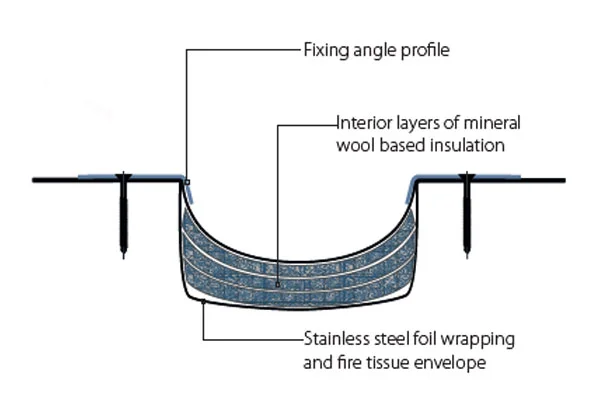
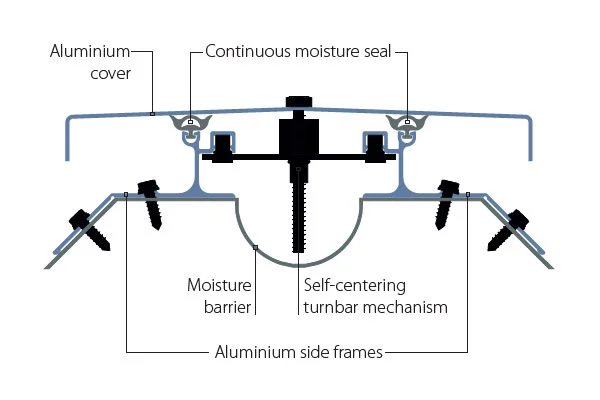
This calculation addresses thermal movement, but stadium expansion joints experience additional influences such as shrinkage, creep, live-load deflection, and in some cases seismic or settlement effects. The group reviewed how these combined factors could theoretically close a joint to zero and why selecting an expansion joint system with the correct movement range is critical to avoid binding or over-compression.
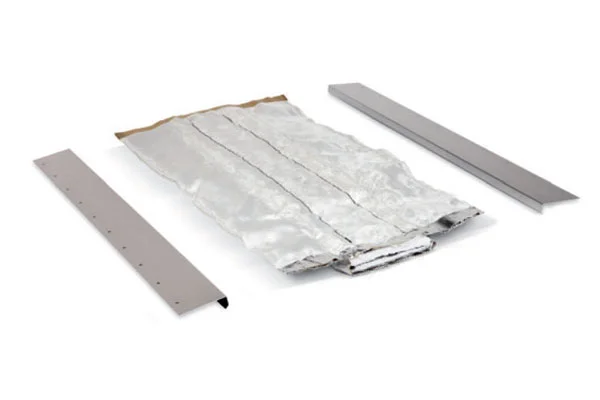
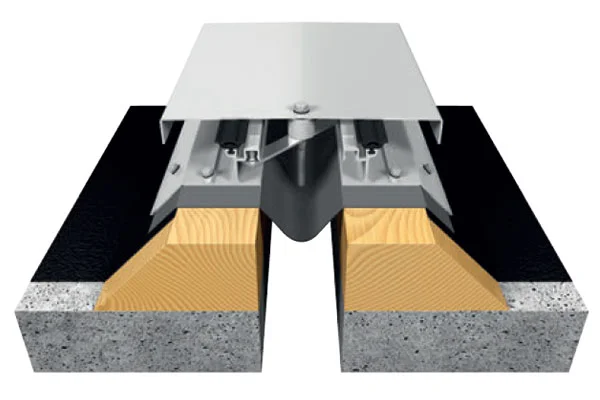
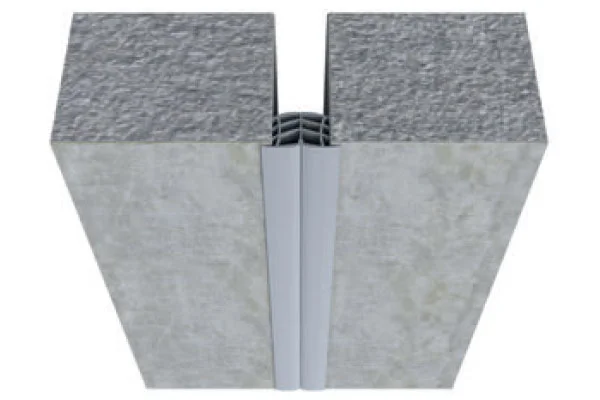
While no joints at Gillette approached zero during the visit, applying these calculations on site helped put movement demands into real-world context and reinforced how Sika Emseal expansion joint systems reliably accommodate a wide range of movement.