 Skip to content
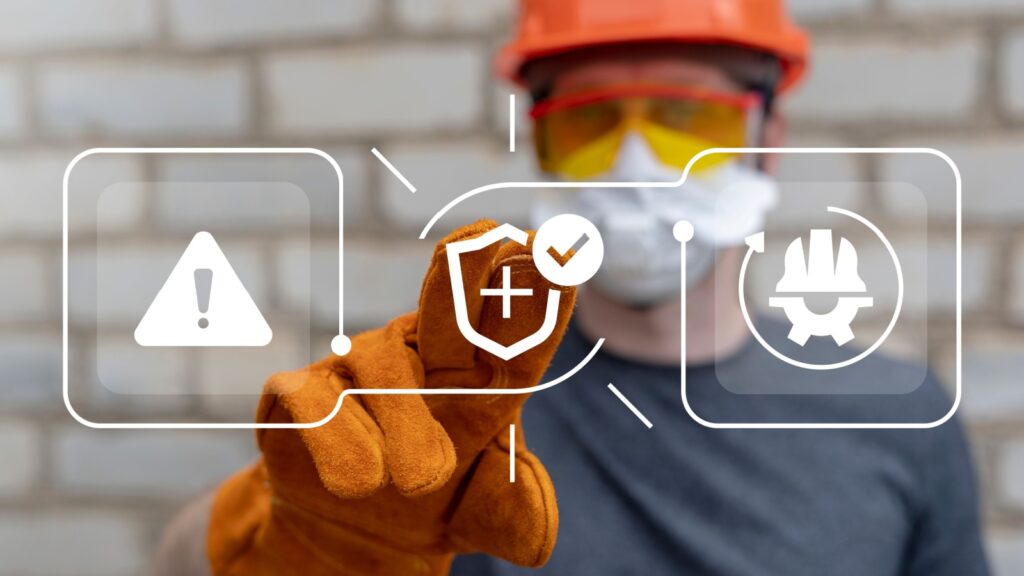
When your construction safety culture isn’t working, screen and screen again.
Workplace safety is a top priority for businesses in all industries, but in construction, it is even more critical, as every aspect of the job, from equipment protocols to jobsite procedures, must be carefully crafted to protect workers in a high-risk environment. In 2023, construction saw 1,075 workplace fatalities, the highest among all U.S. industry sectors—a sobering reminder that everyone on the jobsite plays a role in keeping operations safe. It’s important to remember that safety extends beyond what’s worn or the rules followed onsite. It’s also about who’s on your team.
The people you hire—and how you continue to vet and support them—are central to creating a strong safety culture. Verifying certifications, identifying red flags and rescreening after role changes or incidents are all essential to maintaining a safe and qualified workforce. Especially in high-turnover industries such as construction, visibility into evolving risks is critical.
The Importance of Continuous Employee Rescreening
Initial background checks offer essential insights about prospective employees at the time of hiring, but screening shouldn’t end once candidates have been hired and onboarded. Pre-employment screening only represents a static snapshot, and the reality is that past performance doesn’t guarantee future behavior.
The dynamic nature of construction work and employees’ evolving personal circumstances require ongoing assessment. Continuous screening enables construction firms to proactively identify potential safety risks and compliance issues, providing timely and relevant insights about their workforce.
There are specific situations that warrant rescreening, including:
- Workplace Incidents: If a workplace incident occurs, rescreening the employees involved can help identify potential underlying issues such as substance abuse, undisclosed legal troubles or other behavioral changes. Regular screenings following incidents demonstrate due diligence and potentially mitigate legal liabilities.
- Internal Role Changes: When an employee transitions to a new position within the company or a volunteer takes on additional responsibilities, the requirements and risks associated with their roles typically change. A promotion might grant them greater access to sensitive financial data, company vehicles or secured facilities.
Without updated background checks, these new responsibilities could inadvertently introduce risks to the organization. Following promotions or role changes, regular rescreening helps verify that employees’ backgrounds align with their current responsibilities.
- Unusual Behavior or Performance Issues: Sudden changes in employee behavior, such as increased tardiness, unexplained aggression, rudeness or noticeable declines in personal hygiene, can signal deeper personal or legal problems. Rescreening these individuals can help uncover issues that could jeopardize workplace safety and productivity.
Real-World Risks of Neglecting Ongoing Screening
Neglecting continuous screening can lead to severe practical implications. For instance, an employee initially cleared to operate heavy machinery or drive company vehicles may subsequently incur DUI charges, creating safety and liability concerns. Supervisory roles entrusted with company resources become problematic if an employee is later accused of theft or fraud. Similarly, employees in safety-sensitive environments who develop drug-related issues represent substantial risks to themselves, their colleagues and company assets.
Construction businesses that overlook continuous screening expose themselves to increased liability, heightened insurance premiums, regulatory penalties and severe reputational damage; risks that could have been mitigated or avoided through timely rescreening.
Why Set-It-and-Forget-It Doesn’t Apply to Employee Trust
Trust is built over time through consistent actions, clear communication and demonstrated integrity. It’s not a switch you flip on and then leave. Implementing continuous screening fosters a culture of mutual accountability and reinforces an ongoing commitment to safety. This allows employees to recognize that the organization prioritizes their safety and wellbeing, enhancing job satisfaction and retention.
Additionally, consistent rescreening acts as a deterrent, encouraging employees to maintain exemplary behavior both on and off the jobsite. This proactive approach reduces the likelihood of incidents, accidents or compliance breaches.
Key Components of an Effective Continuous Screening Program
For continuous screening to be effective in construction environments, the following critical areas should be regularly addressed:
- Criminal Background Monitoring: Periodic criminal-record checks help identify recent legal issues, mitigating potential risks related to crime and liability.
- License and Certification Reverification: Routine checks help confirm that employees remain fully qualified, compliant and legally authorized to perform specific tasks. Failure to maintain up-to-date certifications poses operational and safety risks.
- Drug and Alcohol Testing Updates: With shifting state regulations around substances, companies must regularly update and clearly communicate their testing policies to manage workplace impairment and support regulatory compliance.
The Compliance Compass: Guiding Your Business Through Legal Waters
Continuous screening in construction also helps businesses navigate a complex legal and regulatory environment. Laws and regulations governing employment screening and workplace safety vary by state and even municipality, creating challenges for construction firms operating across multiple jurisdictions. For example, some states have mandatory laws outlining specific requirements; others have voluntary laws that offer workers’ compensation discounts for drug-free workplace programs; and other states are open, with no specific statutes in place.
Employers must be aware of their specific state’s requirements regarding:
- When testing can be conducted (pre-employment, random, reasonable suspicion, post-accident, return-to-duty, follow-up)
- Types of tests permitted (urine, oral fluid, etc.)
- Notice requirements for employees/applicants
- Handling of positive test results (e.g., opportunity for explanation, rehabilitation)
- Protections for medical marijuana cardholders
Regular rescreening enables companies to remain compliant with legal and regulatory mandates, thereby avoiding costly fines, lawsuits and potential project delays. By maintaining thorough and up-to-date records of continuous screening, firms can readily demonstrate their due diligence in court or regulatory audits, reducing potential legal risks.
The Future of Vetting: Using Technology to Streamline Continuous Screening
Technology-driven solutions help facilitate the seamless integration of continuous screening processes into construction firms’ existing HR and compliance workflows. Automation platforms reduce manual tasks, minimize human error and enable timely alerts for emerging issues. This integration is scalable, adaptable and designed to function effectively without overburdening internal teams.
Transparency and clear communication regarding the objectives and processes of continuous screening are crucial when communicating this integration to employees. Employees who understand the intent behind regular screenings are more likely to embrace and support these procedures. Effective communication strategies include clear policy documentation, regular training sessions and open forums for questions and discussions.
Integrating Continuous Screening Into Safety Programs
Continuous screening should not operate in isolation, but rather as part of a comprehensive and integrated safety strategy. Aligning rescreening with other safety measures, such as regular training updates, incident reporting and proactive hazard identification, creates a holistic safety culture. Regular coordination between safety, HR and operational teams ensures that all safety protocols reinforce one another.
This integrated approach enables construction firms to effectively respond to identified risks, maintain operational continuity and reinforce the organization’s commitment to safety.
The Unending Pursuit of Wellbeing in the Workplace
Safety in construction is not a one-time initiative; it’s an evolving, dynamic commitment that requires continuous vigilance. Regular employee rescreening aligns perfectly with this philosophy, enabling construction companies to proactively manage risks, enhance compliance and establish a strong safety culture.
Construction companies protect their employees, assets and reputations by continuously monitoring employees and adapting to changing circumstances. Adopting a culture of regular rescreening not only reduces risk but also fosters a stronger workplace culture, enhances productivity and leads to greater overall success.
SEE ALSO: BUILDING THE NEXT GENERATION: SIX STRATEGIES FOR MANAGING A YOUNGER CONSTRUCTION WORKFORCE







