Skip to content

When heavy rain hits or a power outage strikes, your basement becomes one of the most vulnerable areas of your home. Water can rise quickly around the foundation, and without a reliable sump pump system in place, flooding can occur in a matter of minutes. Many homeowners underestimate how critical a properly designed sump pump system is until it fails at the worst possible moment.
Understanding how sump pump systems work, what protects them during extreme weather, and why professional installation matters can make the difference between a dry basement and costly water damage.
Why Sump Pump Systems Are Essential for Basement Protection
A sump pump’s primary job is simple but vital. It collects groundwater that enters your basement and pumps it safely away from your foundation. During heavy rain, melting snow, or high groundwater conditions, water pressure builds rapidly around the home. Without a sump pump to relieve that pressure, water looks for the easiest way inside.
Homes in areas prone to frequent storms or high water tables rely heavily on sump pump systems as their first line of defense against basement flooding.
How Heavy Rain Challenges Your Basement
Heavy rainfall saturates the soil surrounding your foundation. As the ground becomes waterlogged, hydrostatic pressure increases and pushes water toward basement walls and floors. Even homes with no history of flooding can experience water intrusion under these conditions.
Cracks, joints, porous concrete, and window wells all become potential entry points. A properly functioning sump pump system continuously manages this water, preventing it from accumulating and entering the living space.
What Happens When the Power Goes Out
Power outages often occur during the same storms that create the highest risk of basement flooding. Unfortunately, standard sump pumps rely on electricity to operate. When power is lost, the system stops working unless a backup is in place.
This is one of the most common causes of basement flooding. Water continues to rise while the pump remains inactive, allowing water to seep or surge into the basement.
Key Components of a Reliable Sump Pump System

The Sump Pit
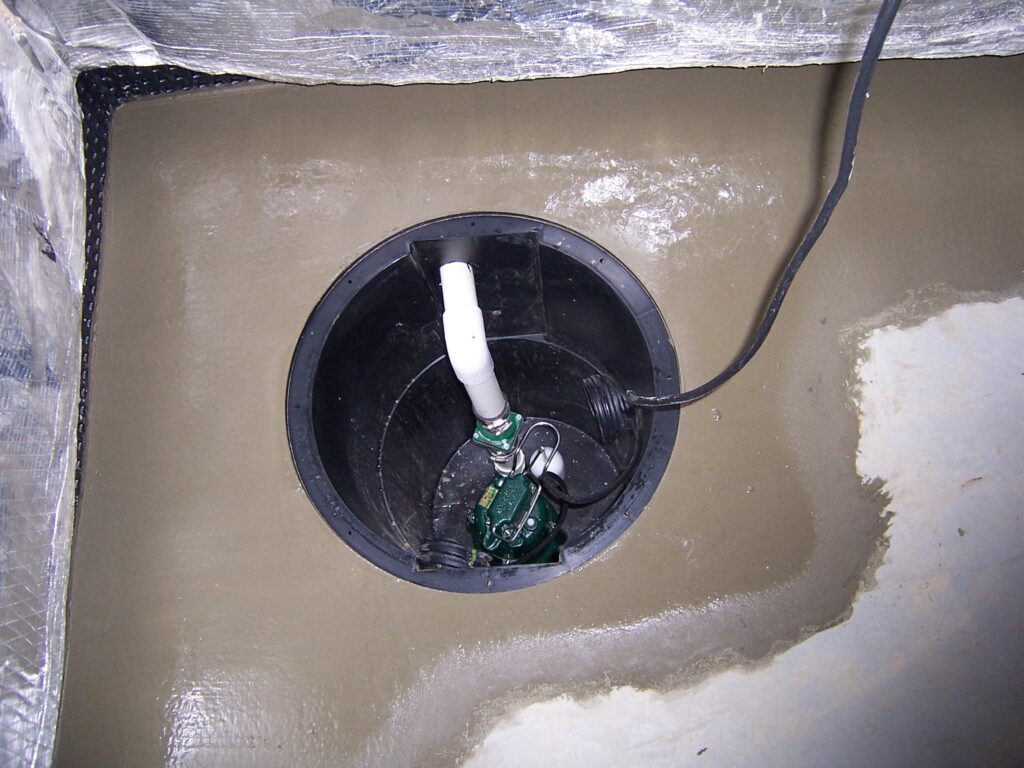
The sump pit is a basin installed at the lowest point of the basement. It collects water from drainage systems and natural groundwater seepage. Proper pit placement and sizing are essential for efficient water collection.
Primary Sump Pump
The primary pump activates automatically when water reaches a certain level in the pit. It then pumps the water through a discharge line away from the foundation. Professional installation ensures the pump is powerful enough for your home’s needs.
Discharge Line and Check Valve
The discharge line directs water away from the home, while the check valve prevents pumped water from flowing back into the pit. Improper discharge setup can cause water to recycle back toward the foundation, reducing system effectiveness.
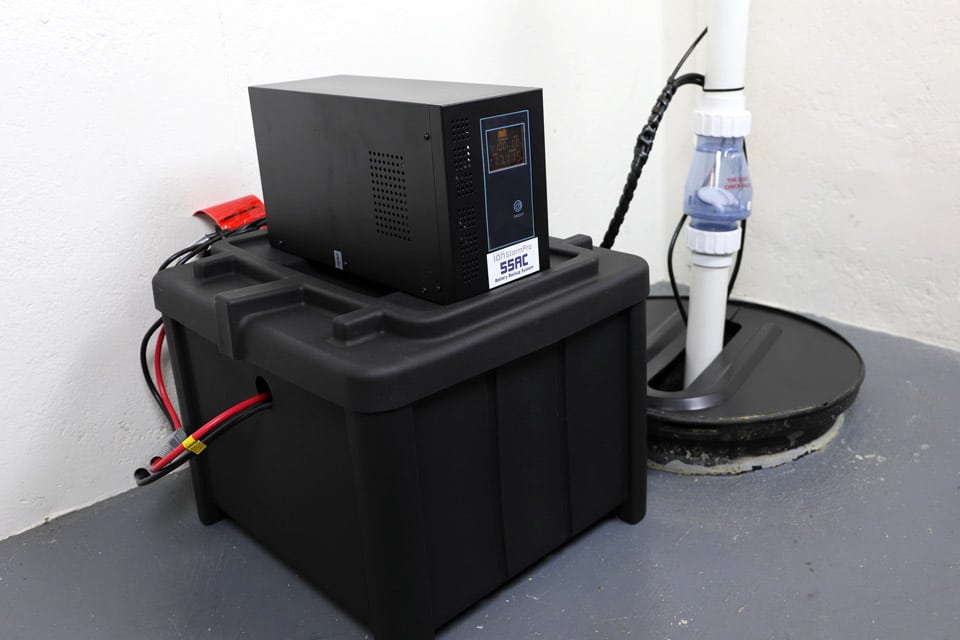
Battery Backup System
A battery backup sump pump activates when the primary pump fails or loses power. This component is critical during power outages and extreme weather events.
Alarm Systems
Sump pump alarms alert homeowners when water levels rise too high or when the system is not functioning properly. Early warnings allow action before flooding occurs.
Why Battery Backup Systems Matter
Battery backup systems are not optional accessories. They are a core part of a complete sump pump system. During storms, backup pumps provide peace of mind by continuing to remove water even when electricity is unavailable.
Modern battery backups are designed to run for hours, depending on usage and battery capacity. Professional installers ensure the backup system integrates seamlessly with the primary pump for automatic activation.
Common Sump Pump Failures Homeowners Overlook
Lack of Maintenance
Sump pumps are mechanical systems that require regular inspection and maintenance. Debris buildup, stuck switches, or worn components can cause failures when the system is needed most.
Undersized Pumps
Installing a pump that lacks sufficient capacity is a common mistake. An undersized pump may keep up during light rainfall but fail during heavy storms.
Improper Installation
Poor installation can lead to discharge problems, short cycling, or pump burnout. Professional installation ensures correct placement, slope, and system integration.
No Backup Power
Relying on a single electric pump without backup leaves your basement exposed during power outages.
How Professional Installation Makes the Difference
Professional sump pump installation goes beyond placing a pump in a pit. Specialists evaluate soil conditions, water volume, foundation layout, and drainage needs to design a system that performs reliably under pressure.
They also ensure that discharge lines are positioned far enough from the foundation to prevent water from returning and that backup systems are properly sized and tested.
Sump Pump Systems and Interior Drainage
In many homes, sump pumps work in combination with interior drainage systems. These systems collect water along basement walls and floors and direct it to the sump pit.
This integrated approach manages water pressure more effectively and reduces the risk of wall seepage, floor cracks, and foundation stress.
Signs Your Sump Pump System May Not Be Enough
-

Water pooling near basement walls
-
Frequent pump cycling during rain
-
Pump running constantly without lowering water levels
-
Past flooding during power outages
-
Rust, unusual noises, or visible wear
These signs indicate that your system may need repair, upgrading, or professional evaluation.
The Long-Term Benefits of a Proper Sump Pump System
A well-designed sump pump system protects more than just your basement. It helps preserve foundation integrity, prevents mold growth, protects stored belongings, and maintains healthier indoor air quality.
It also adds value to your home by reducing the risk of water damage and providing reassurance to future buyers.
Why Professional Waterproofing Matters
Sump pump systems are most effective when installed as part of a comprehensive waterproofing plan. Professional waterproofing addresses drainage, foundation sealing, moisture control, and long-term protection.
Rather than reacting to flooding after it happens, professional solutions prevent water from becoming a problem in the first place.
Protect Your Basement When It Matters Most
Heavy rain and power outages create the perfect conditions for basement flooding. A properly installed sump pump system with reliable backup protection ensures your basement stays dry when water pressure is at its highest.
If your home relies on an outdated or incomplete sump pump system, upgrading now can prevent significant damage later. Professional evaluation and installation provide confidence that your basement is protected no matter what the weather brings.