[ad_1]
Who are the Leading Waterproofing Experts in Cleveland? Discover Ohio State Waterproofing’s Trusted Solutions
Basement flooding, persistent dampness, and foundation cracks create costly, long-term problems for Cleveland homeowners, and knowing which experts can diagnose and solve those issues matters. This guide explains common waterproofing and foundation repair options tailored to Cleveland’s conditions, outlines how professionals evaluate problems, and shows when to call for a formal assessment. Our mission is both informational and actionable: to help homeowners understand interior and exterior waterproofing, foundation stabilization, sump pump backups, and crawl space solutions — and to invite readers to schedule a free inspection to get an accurate, site-specific plan. At Ohio State Waterproofing, we are your trusted local resource, offering licensed, certified technicians, a transferable lifetime warranty, and free inspections to validate scope and cost. Read on for clear signs to watch for, practical comparisons of methods, cost drivers, and real-world outcomes so you can decide whether a free inspection is the next right step for your Cleveland property.
Why Do Cleveland Homeowners Trust Ohio State Waterproofing?
Trust in a waterproofing provider grows from verifiable results, straightforward guarantees, and local technical expertise that addresses repeatable problems in the region. We proudly showcase trust signals that many homeowners rely on, including a long service history, a large customer base, licensed technicians, free inspections to remove uncertainty, and a transferable lifetime warranty that protects future owners. These specific elements reduce risk and build confidence by aligning diagnostic rigor with long-term performance promises. The combination of on-site diagnostics and warranty coverage makes it easier for homeowners to prioritize repairs before small moisture problems become structural concerns.
Our local credibility rests on measurable service facts and productized solutions that respond to Cleveland conditions. Our record of serving tens of thousands of customers and offering patented solutions such as StablWall™ for bowed walls and SmartPower battery backup for sump systems shows how productization supports outcomes. Licensed and certified technicians perform free inspections that identify drainage patterns and structural stressors, creating a factual basis for recommendations. These procedural strengths — diagnostic clarity, warranty protection, and proven product options — form the core reasons local homeowners select a provider for basement waterproofing and foundation repair.
What Experience and Credentials Make Ohio State Waterproofing a Local Leader?
Our standing in the Cleveland market comes from a combination of broad service reach, documented project volume, and technician qualifications that address both moisture management and structural repair. We have served a large number of homeowners across Northeast Ohio, and we deploy licensed, certified technicians who perform standardized inspections to identify interior drainage failures, exterior seepage, and foundation movement. Product offerings such as StablWall™ carbon-fiber reinforcement and DuraShield™ coatings complement traditional drainage and sump solutions, giving technicians multiple tools for different site conditions. That mix of volume experience, localized methods, and productized fixes helps homeowners receive consistent diagnoses and predictable outcomes across diverse Cleveland neighborhoods.
These credentials translate into actionable advantages during an inspection and remediation plan. Experienced crews recognize neighborhood-specific soil and drainage patterns and match solutions — interior drainage systems, external membranes, or structural reinforcement — to the property’s risk profile. The presence of certified technicians reduces variability in workmanship, while productized systems improve predictability of performance. For homeowners evaluating bids, those procedural and product distinctions make it easier to compare proposals on both technical merit and long-term protection.
How Do Lifetime Warranties and Free Inspections Build Customer Confidence?
A transferable lifetime warranty addresses the homeowner’s worst-case scenario: persistent or recurring leaks after work is completed or ownership changes hands. By making the warranty transferable, a homeowner gains saleability benefits and long-term peace of mind, knowing the protection can remain with the property rather than lapsing with ownership. Free inspections further reduce buyer friction by allowing technicians to document conditions, test drainage performance, and provide an itemized scope without an upfront cost, which encourages early intervention before problems escalate. Together, the warranty and inspection policy shorten the decision cycle and increase homeowner confidence in committing to remediation work.
Free inspection outcomes typically include a prioritized list of repairs, measurements for linear-foot pricing, and recommendations for complementary systems such as battery-backed sump pumps or dehumidification. When these inspection deliverables align with a transferable warranty, homeowners can objectively evaluate risk versus investment. That combination of an inspection-first approach and long-term warranty protection is a practical trust mechanism that helps Cleveland homeowners move from uncertainty to a concrete repair plan.
What Basement Waterproofing Services Are Available in Cleveland?
Basement waterproofing services fall into distinct categories designed to stop water intrusion, manage groundwater, and protect interior finishes; choosing the right approach depends on how water is entering the space and the building’s structural condition. Common service categories include interior drainage systems that capture and route groundwater to a sump, exterior excavation with membranes to block water at the source, and sump pump installations with battery backup to ensure reliability during storms and outages. Each method addresses a different mechanism of water entry, and combining approaches often yields the most resilient outcome for Cleveland homes.
Building and lot-scale mitigation strategies are crucial for reducing the risk of basement flooding, especially in urban areas prone to increased flooding events.
Reducing Basement Flooding Risk with Mitigation Strategies
The increase in frequency and severity of urban flooding events affecting many regions across North America has resulted in increases in occurrence of basement flooding, property damage and insured losses. Numerous lot-scale, watershed and municipal factors affect the risk of flooding for a region, including urbanization and land-use, watershed characteristics and hydrology, municipal infrastructure and stormwater management. Flood management mitigation techniques that are implemented at the building- and lot-scale (or private-side) can reduce the risk of basement flooding for a particular home. These measures include backwater valves to reduce the risk of sewer surcharge into basements, low impact development strategies to reduce runoff entering municipal sewer systems, and foundation drainage systems to reduce the risk of infiltration flooding.
Reducing the risk of basement flooding through building-and lot-scale flood mitigation approaches: performance of foundation drainage systems, B Kaur, 2021
Interior drainage systems are a retrofittable solution for finished basements that captures seepage at the perimeter and redirects it to a sump pump, minimizing interior disruption while improving moisture control. Exterior waterproofing creates a barrier on the outside of foundation walls and installs exterior drains where soil conditions or hydrostatic pressure necessitate source-level intervention. Sump pump installations — ideally paired with a SmartPower Battery Backup — protect against power-loss scenarios common during severe weather, maintaining active groundwater removal when it matters most.
This table compares core waterproofing approaches, their installation focus, and when homeowners should consider each option.
How Do Interior Basement Waterproofing Systems Protect Cleveland Homes?
Interior basement waterproofing systems protect homes by intercepting groundwater at the point it penetrates the foundation and routing it to a sump pump rather than allowing it to reach finished interior surfaces. Installation typically involves cutting a small channel along the interior footing, placing perforated drain tile or a channel system, covering with aggregate, and tying the collection point to a sump basin that discharges the water. This approach is efficient for retrofits because it minimizes exterior disruption while controlling hydrostatic pressure and preventing mold-prone moisture migration. For many Cleveland homes with established landscaping or limited exterior access, interior systems deliver rapid, effective mitigation with manageable installation time and predictable maintenance requirements.
Regular maintenance of interior systems focuses on sump pump testing and debris removal from the basin to ensure continuous operation. Because interior methods do not alter exterior grading or barriers, they are often paired with exterior drainage improvements or dehumidification systems to create a holistic moisture-control strategy. Homeowners appreciate the balance of lower installation disruption and reliable performance, especially when paired with battery backup and alarm systems.
What Are the Benefits of Exterior Waterproofing Methods in Cleveland?
Exterior waterproofing methods create a continuous barrier at the foundation’s exterior, preventing water from ever contacting the wall surface and reducing hydrostatic pressure against the structure. Typical steps include excavation down to the footing, applying a waterproof membrane or coating (such as DuraShield™ coatings where appropriate), installing an exterior drain tile, and backfilling with free-draining material to promote runoff. Although exterior solutions are more disruptive and costlier than interior systems, they are the most durable option for chronic seepage caused by poorly draining soils, persistent surface runoff, or failing exterior membranes.
When site conditions show recurrent exterior water entry or evidence that hydrostatic pressure is damaging the wall from the outside, exterior waterproofing provides a long-term resolution. The trade-offs include higher installation complexity and temporary landscaping impacts, but the result is a source-level fix that often reduces insurance risk and long-term maintenance needs. Exterior systems are especially valuable on properties where interior solutions cannot fully resolve entry points at the footing or where structural repairs require outside access.
Why Is Sump Pump Installation Essential for Cleveland Basements?
Sump pumps are the active element of many basement waterproofing strategies: they collect and remove the groundwater captured by interior drainage systems or natural collection points, keeping basements dry during periods of high water tables or heavy rain. Typical failure modes include power outages, mechanical wear, and clogged discharge lines; for Cleveland homeowners, pairing a primary pump with a SmartPower Battery Backup addresses the critical failure mode of power loss during storms. Proper installation involves sizing the pump to the basin, ensuring reliable discharge routing, and adding alarms or float backups to alert homeowners to malfunctions.
Routine maintenance includes testing the pump under load, inspecting check valves, and ensuring the discharge path remains unobstructed. Given Cleveland’s storm patterns and seasonal thawing that can increase groundwater levels, a robust sump pump system — ideally with a battery backup and alarm — is a practical investment to prevent interior flooding and protect finished living spaces.
How Can Foundation Repair Experts Solve Cleveland’s Structural Issues?
Professional foundation repair targets the underlying mechanics of movement, water-driven soil changes, and load distribution that manifest as cracks, bowed walls, or uneven slabs. Repair methods include crack sealing for non-structural leaks, carbon-fiber reinforcement systems like StablWall™ for bowed or flexing walls, and concrete leveling techniques such as polyurethane slab lifting or mudjacking for settled patios, sidewalks, and slabs. Each remedy addresses a specific failure mode and aims to restore structural performance while preventing further deterioration.
Selecting the correct repair requires thorough inspection to determine whether issues are primarily moisture-driven, soil-settlement-related, or due to original construction deficiencies. Mitigation often pairs moisture control with structural stabilization so that corrected drainage prevents recurrence of the same stresses that caused movement. A balanced repair plan reduces immediate risk and improves the lifespan of foundation elements when paired with ongoing monitoring and maintenance.
What Are the Signs of Foundation Damage in Cleveland Homes?
Recognizing early indicators of foundation stress allows homeowners to seek assessment before repairs escalate in scope and cost. Common signs include visible cracks in walls or floors, doors and windows that stick or no longer latch, sloping or uneven floors, and interior cracks that widen over time; each symptom maps to potential foundation movement, settlement, or hydrostatic pressure. Documenting these signs with photos and noting progression helps technicians prioritize urgency during an inspection. Acting early often limits repairs to targeted stabilization rather than full replacement.
If multiple signs appear together — for example, bowing walls combined with increasing crack widths — prompt professional evaluation is especially important. A technician will correlate visible indicators with soil conditions, drainage patterns, and structural load paths to propose the appropriate stabilization strategy.
How Does Ohio State Waterproofing Repair Foundation Cracks and Bowed Walls?
At Ohio State Waterproofing, we specialize in these advanced repair methods. Repairing foundation cracks often starts with assessing whether the crack is active (still moving) or static; non-structural leaks can be sealed with polyurethane or epoxy injections that restore water-tightness, while structural movement may require stabilization. For bowed walls, carbon-fiber reinforcement systems such as StablWall™ provide internal reinforcement that resists further inward movement without extensive excavation. These reinforcements transfer loads to stronger substrate areas and can be paired with drainage improvements to reduce the driving hydrostatic forces. Expected timelines vary with scope, but targeted crack sealing or interior reinforcements are often completed within days rather than weeks, minimizing disruption while restoring performance.
Technicians will recommend monitoring after repair to confirm stability and will often connect structural fixes to ongoing moisture-control measures to ensure the cause of movement — typically water and soil pressure — is mitigated over the long term.
When Is Concrete Leveling Needed for Cleveland Foundations?
Concrete leveling becomes necessary when slabs, sidewalks, or porch slabs settle unevenly due to soil voids, erosion, or differential settlement that create trip hazards, pooling water, or misaligned thresholds. Leveling methods include mudjacking and modern polyurethane foam injection; polyurethane is lightweight, cures quickly, and fills voids to raise the slab with minimal excavation. Choosing leveling over replacement depends on the extent of deterioration, thickness of the slab, and long-term expectations for the area — leveling is often cost-effective for isolated settlement issues, while replacement may be required for slabs with severe cracking or reinforcement corrosion.
Evaluating underlying soil stability is essential before leveling; if settlement results from ongoing drainage problems, those must be corrected first to prevent re-settlement. A combined approach — stabilize soil, correct drainage, then level the concrete — yields durable results and reduces the probability of repeat work.
What Crawl Space Solutions Improve Cleveland Home Air Quality and Energy Efficiency?
Crawl space remediation improves indoor air quality and energy performance by controlling moisture entry, sealing air leaks, and reducing mold growth that can affect HVAC efficiency and occupant health. Common solutions include full crawl space encapsulation with a vapor barrier, installation of dehumidification systems like E-Z Breathe® to maintain controlled humidity, and sealing or insulating band joists and penetrations to limit conditioned air loss. These interventions reduce the movement of moisture-laden air into the living envelope and lower energy consumption associated with heating and cooling.
Encapsulation and mechanical dehumidification also reduce long-term risks of mold and wood rot, improving HVAC load profiles and enabling more consistent interior humidity levels. For homes with high crawl space moisture, pairing a vapor barrier with a dedicated dehumidification system yields measurable improvements in both air quality and energy efficiency. The following table summarizes typical crawl space products, their attributes, and expected impacts on the home.
How Does Crawl Space Encapsulation Prevent Moisture Problems?
Crawl space encapsulation prevents moisture problems by physically separating the damp soil and groundwater from the building’s air and structural elements using a sealed vapor barrier, combined with taped seams and sealed penetrations. Installation involves cleaning the space, installing a durable barrier across the floor and up the walls, sealing vents and penetrations, and often integrating drainage and dehumidification components. This approach halts evaporative moisture transfer, reduces relative humidity, and limits conditions conducive to mold growth and wood decay. As a result, encapsulation improves indoor air quality, stabilizes temperatures at the building envelope, and reduces the workload on HVAC systems.
Routine inspection of the vapor barrier and managing any residual water flow into designated drains or sump basins ensures continued performance. When encapsulation is combined with controlled ventilation and dehumidification, homeowners typically observe measurable declines in musty odors and allergy-triggering mold spores migrating into living spaces.
What Are the Benefits of E-Z Breathe® Dehumidification Systems?
E-Z Breathe® dehumidification systems are designed specifically for crawl spaces to maintain a low, controlled humidity level that prevents condensation, mold growth, and wood rot. By continuously removing moisture from the crawl space air, these systems reduce relative humidity to a range that is unfavorable for mold and insect activity, improving indoor air quality and helping HVAC equipment operate more efficiently. The system’s targeted design for confined spaces results in energy-efficient moisture control compared with running whole-house dehumidifiers to compensate for crawl space issues.
Pairing an E-Z Breathe® unit with encapsulation amplifies benefits: the vapor barrier prevents ground moisture entry while the dehumidifier controls airborne humidity, producing a dry, stable environment under the home. Regular maintenance and monitoring of humidity levels and condensate handling are part of a long-term performance plan.
How Much Does Basement Waterproofing and Foundation Repair Cost in Cleveland?
Costs for basement waterproofing and foundation repair vary widely depending on the scope, access, materials, and the degree of structural work required; however, providing transparent ranges and the key price drivers helps homeowners budget for potential interventions. Typical jobs can range from localized crack sealing and interior drainage installations to exterior excavation and major wall stabilization. Factors such as linear feet of drainage, degree of excavation, necessary structural anchors, and the addition of battery-backed sump pump systems influence final estimates. Because of this variability, a free inspection is essential to produce an accurate, site-specific quote and to avoid surprises.
Below is a cost-driver comparison to illustrate how common services are typically priced and what influences those ranges.
What Factors Influence Basement Waterproofing Costs in Cleveland?
Several interrelated factors drive the cost of waterproofing projects: the length of perimeter drainage to be installed, whether work requires interior or exterior access, the presence of structural issues needing reinforcement, soil conditions that complicate excavation, and the choice of ancillary systems such as SmartPower battery backups or dehumidifiers. Accessibility constraints — narrow yards, landscaping, and finished interiors — increase labor and protective-material costs. Site-specific factors like poor surface grading or heavy clay soils that retain water will raise the scope and the price because more aggressive drainage and exterior measures may be required.
To prepare for an inspection, homeowners should document interior water patterns, identify finished areas that require protection, and note any exterior grading or guttering issues. This information helps technicians propose the most cost-effective combination of methods while avoiding unnecessary work.
Why Is a Free Inspection Important for Accurate Cost Estimates?
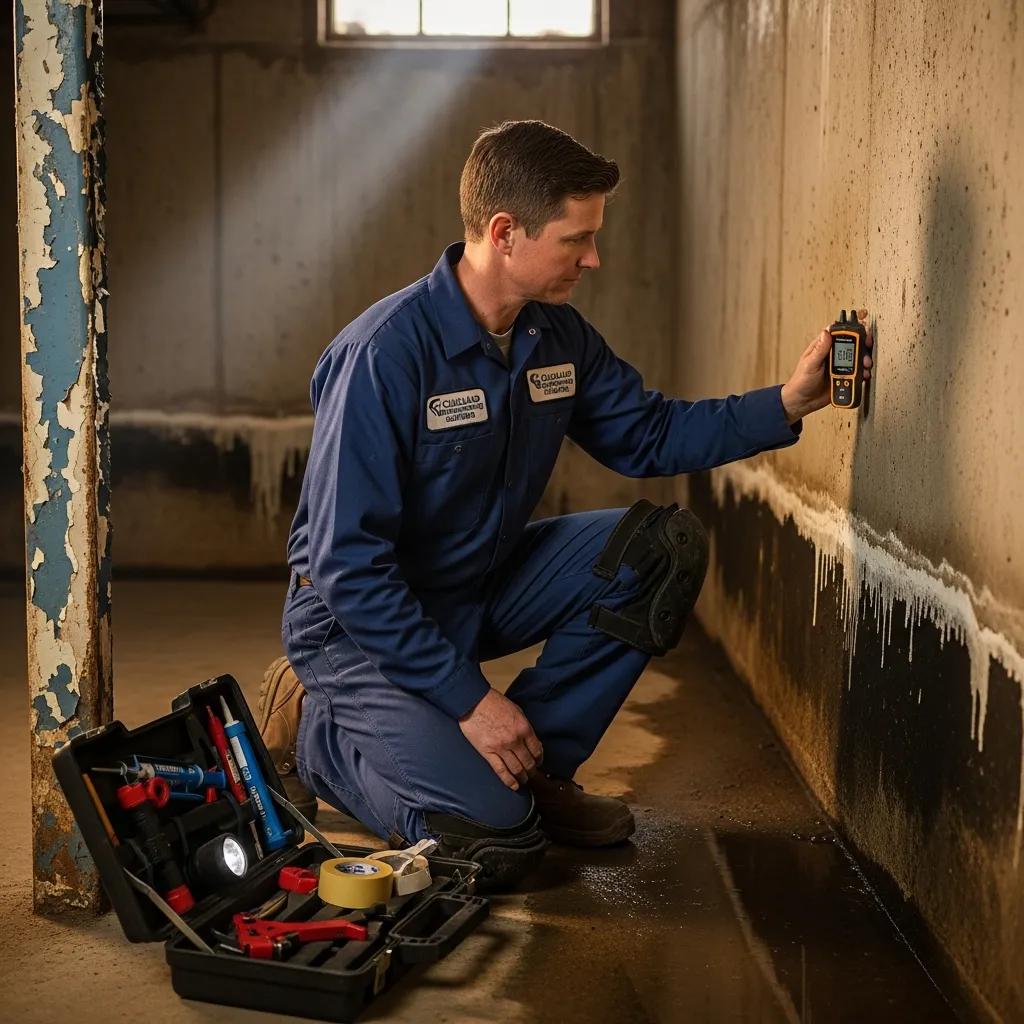
A free inspection is vital because it reveals hidden conditions — sub-surface drains, buried utilities, root systems, or foundation deterioration — that directly affect scope, materials, and labor. During an inspection, technicians measure linear feet for drainage, assess wall and slab conditions, test for active leaks, and evaluate discharge routing for sumps, allowing for a precise written estimate rather than a speculative range. Inspections also produce a prioritized repair list that helps homeowners budget in phases if necessary and reduces the risk of change orders during construction.
Scheduling a free inspection reduces uncertainty by providing documented findings and a clear recommendation tied to observed conditions, and it enables homeowners to compare apples-to-apples proposals from multiple providers when making a decision.
What Do Cleveland Customers Say About Ohio State Waterproofing?
Customer feedback and local case results help validate whether technical claims translate into consistent field performance, and aggregated reviews often highlight recurring strengths such as responsiveness, effective repairs, and warranty support. In the Cleveland context, homeowners commonly note timely inspections, clear explanation of causes and remedies, and follow-through on long-term protections like transferable lifetime warranties. These recurring themes provide practical evidence that inspections and productized solutions — for example, pairing interior drainage with sump backups — lead to measurable reductions in basement moisture and improved peace of mind.
Review metrics and case summaries also spotlight areas where homeowners should set expectations, such as coordinating landscape restoration after exterior work and planning for routine sump maintenance. Using structured review data and local case notes can help potential customers anticipate project timelines and homeowner responsibilities after installation.
Which Local Case Studies Highlight Successful Waterproofing Projects?
Representative Cleveland case studies typically follow a Challenge → Solution → Result pattern: a basement flooded after heavy rains (Challenge) was addressed by installing an interior perimeter drain, sump pump, and SmartPower Battery Backup (Solution), yielding a dry basement and no recurrence in subsequent storms (Result). Another common example is a homeowner with bowing walls (Challenge) who received StablWall™ reinforcement with improved interior finishes and stabilized wall alignment (Result). These short case formats demonstrate how diagnosing the root cause — whether groundwater infiltration or structural stress — produces targeted remedies that resolve the visible symptoms and reduce future risk.
These local examples underscore the value of combining moisture-control measures with structural stabilization when necessary, and they provide realistic expectations for timing, disruption, and outcomes.
How Do Customer Reviews Reflect Ohio State Waterproofing’s Expertise?
Aggregated reviews emphasize consistent themes that indicate service reliability: technicians who document issues during a free inspection, transparent recommendations that balance immediate needs with long-term protection, and responsiveness in warranty follow-up. Review summaries often point to clear communication and workmanship that aligns with the proposed scope, reinforcing our emphasis on inspection-driven proposals. For homeowners evaluating providers, structured review data and local case summaries are useful signals to validate claims about reliability and warranty fulfillment.
Prospective clients should consider both technical outcomes and post-installation support when reviewing feedback, and request references or documented case studies to better understand expected timelines and long-term performance.
[ad_2]
Source link