So, you’ve found a damp spot in your basement and you’re wondering if it’s time to call in a professional. Perhaps you’ve even noticed peeling paint or a musty odor. While it’s tempting to brush off these signs as minor issues, they could be indicative of a bigger problem. Cracks in your walls, especially horizontal ones, are also serious red flags. The question now is: how severe does it need to get before professional help becomes necessary? And what if leaving it unchecked causes more harm than you realize?
Key Takeaways
- Call a professional when you observe persistent damp spots, peeling paint, or efflorescence indicating basement leaks.
- If you hear unexplainable dripping sounds or detect a musty smell, it’s time to seek professional help.
- Noticeable cracks in your basement walls or floors indicate potential water damage and require professional assessment.
- If DIY fixes are not effective or only provide temporary relief, it’s crucial to engage a professional for long-term solutions.
- Seek professional intervention when health risks from mold or structural integrity concerns arise due to persistent dampness in the basement.
Recognizing the Signs of Basement Leakage
Awareness is your first line of defense when it comes to basement leakage.
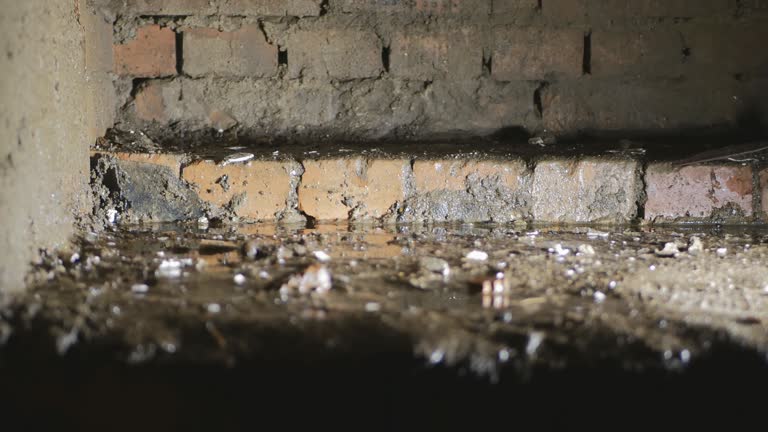
You’ve got to know the signs. Watch out for basement moisture, it’s a dead giveaway. If you spot damp spots on the walls or floor, it’s time to take action. Water sources could be from rain, snow, or even your own plumbing.
Peeling paint or efflorescence, a white powdery substance that appears on your basement walls, are also strong indicators.
These signs are your home’s way of telling you it’s under attack. Don’t ignore them.
Sounds too, can be telling. Ever hear a faint dripping sound when everything’s quiet? That’s not a sound you want to ignore. It’s a cry for help.
Smell is another sense you’ll want to engage. A musty odor is often a sign of hidden moisture, warning you of a problem.
You’re not powerless against basement leakage. You can take steps to protect your home.
But the first step is recognizing the signs. When you see, hear, or smell these warning signals, don’t hesitate. Call a professional. They’re equipped to handle the problem before it becomes a bigger issue.
The Dangers of Persistent Dampness
In your home, persistent dampness is more than just an inconvenience—it’s a serious threat. This damp environment can lead to a host of issues that can endanger you and your family’s health and safety. It’s not just about the discomfort or the musty smell; it’s about the potential for serious harm.
Mold and mildew thrive in damp environments. These growths can cause allergic reactions, respiratory problems, and other health issues. Your home’s structural integrity is also at risk. Moisture can weaken wooden structures, leading to rot and decay.
In the long run, you might face costly repairs or worse, irreparable damage. Moisture control is essential in preventing these issues. Don’t dismiss the importance of maintaining a dry basement.
It’s not just about preventing water leakage—it’s about ensuring the health and safety of your home and your loved ones.
Cracks in Basement Walls or Floors
Have you noticed cracks in your basement walls or floors?
Identifying these fissures early on is essential to prevent further damage.
Let’s discuss how you can spot and repair these cracks before they cause serious problems.
Identifying Basement Cracks
Before you pick up the phone to call a professional, you should know how to identify the types of cracks in your basement walls or floors. A crack’s type can give you a hint about potential moisture sources, which is key to understanding the severity of the issue.
Cracks can generally be classified into three main types: horizontal, vertical, and diagonal. Each has its peculiarities and indication of possible damage.
| Crack Type | Typical Moisture Source |
|---|---|
| Horizontal | Water pressure or frost damage from the outside |
| Vertical | Shrinkage or settling of the home over time |
| Diagonal | Uneven settling or pressure from soil or water |
Horizontal cracks may indicate water pressure or frost damage from the outside. Vertical cracks, on the other hand, often result from shrinkage or the house settling over time. Finally, diagonal cracks can suggest uneven settling or pressure from soil or water.
Repairing Wall and Floor Cracks
Although it may seem intimidating, repairing cracks in your basement’s walls or floors can be a manageable task. You don’t have to be a professional to get started, but you do need to approach the job with care and understanding.
Here’s a simple three-step process for you:
- Identify the Crack: Before crack sealing, thoroughly examine the crack’s type, size, and location. This helps you determine the root cause and prepare for the right repair method.
- Prepare the Crack: Clean the crack to remove any loose debris. This step is essential as it allows the sealing material to adhere better, ensuring a longer-lasting repair.
- Seal the Crack: Use a high-quality crack sealing product to fill the crack. Apply it according to the manufacturer’s instructions, taking care to fill the entire crack.
Mold and Mildew: Silent Indicators
Don’t overlook mold and mildew as they’re silent indicators of basement leakage.
If you spot these nasty culprits, it’s essential to recognize the health risks they pose.
Let’s discuss how to identify their presence and the potential dangers involved.
Identifying Mold Presence
If you’re noticing a musty smell or dampness in your basement, it’s time to check for mold and mildew. Mold loves moisture and if it’s present, it’s a sure indicator that you’re dealing with leakage.
But how can you identify its presence? Here are three ways:
- Check for visible signs: Mold often appears as black, green, or white spots on walls, ceilings, or floors.
- Smell: A musty, damp smell is a common indicator of mold.
- Condensation: If you see condensation on your basement windows or walls, it’s a sign that there’s too much moisture, a perfect breeding ground for mold.
Now, if you’ve confirmed the presence of mold, it’s time to think about mold prevention and mold testing. This isn’t just about stopping the infestation from spreading, it’s also about preventing it from recurring in the future.
While there are DIY mold testing kits available, it’s best to call in the professionals. They’ve the expertise and equipment to accurately identify and effectively treat mold, ensuring your home stays safe and healthy.
Don’t wait until it’s too late, take action today.
Health Risks Involved
Thousands of homeowners unknowingly expose themselves to the health risks of mold and mildew each year. These silent indicators pose a significant threat to your health, especially through toxic exposure, which can lead to severe respiratory issues. Let’s explore the specifics.
| Health Risk | Symptoms | Long Term Effects |
|---|---|---|
| Allergies | Itching, Redness, Sneezing | Chronic Sinus Problems |
| Asthma | Difficulty Breathing, Chest Tightness | Lifelong Respiratory Condition |
| Toxic Mold Syndrome | Fatigue, Vertigo, Nausea | Neurological & Immune System Damage |
This table gives an overview of the risks involved. Allergens produced by mold and mildew can cause allergic reactions. Asthma can be triggered or worsened. Worst of all, toxic mold syndrome, resulting from toxic exposure, can lead to serious neurological and immune system damage.
Don’t ignore the signs. If you’re experiencing any of these symptoms, it might be more than just allergies. You’re potentially dealing with a serious mold problem in your home. It’s time to call a professional. Your health isn’t something you can compromise on.
Unexplained Increase in Utility Bills
Finding your utility bills suddenly skyrocketing without any apparent reason can be a sign of basement leakage. This unexpected hike can be attributed to increased energy consumption, which in turn could be due to underlying water damage issues. A proper utility bill analysis can help you understand this sudden surge and take necessary actions.
Here are three reasons how basement leakage could impact your energy bills:
- Increased Humidity: If water is seeping into your basement, it could increase the humidity levels in your home. This forces your heating, ventilation, and air conditioning (HVAC) system to work harder, thereby increasing your energy consumption.
- Structural Inefficiency: A leaky basement can make your home less efficient at retaining heat or cool air, again leading to higher HVAC usage.
- Appliance Damage: Persistent moisture can damage appliances housed in your basement, causing them to operate inefficiently and consume more energy.
Structural Damage: A Serious Concern
Over time, basement leakage can wreak havoc on your home’s structural integrity. This isn’t a problem you can afford to ignore. Unaddressed, the persistent moisture can compromise your foundation integrity, turning a minor issue into a significant danger.
You might be asking, how does this happen? When water persistently seeps into your basement, it can begin to erode the concrete of your home’s foundation. In turn, this weakening of the foundation can lead to structural damage throughout your entire home.
You may start to notice cracks in your walls, uneven floors, or even doors and windows that no longer fit their frames correctly.
Now, this isn’t meant to scare you, but rather to stress the importance of moisture control in your basement. It’s key in preserving your home’s structural health. If you’re seeing signs of leakage, it’s time to take action.
Don’t wait until the damage is severe. Call a professional who can identify the source of the leak, suggest suitable waterproofing measures and help you restore your home’s foundation integrity.
Impact on Property Value
Not only does basement leakage pose a threat to your home’s structural integrity, but it can also greatly impact your property’s value.
When it comes time for a property appraisal, the assessor will certainly knock off points for any evidence of water damage. This could mean a lower property value and potentially a harder sell.
Here are three main ways basement leakage can negatively affect your property value:
- Reduction in market demand – Buyers are typically wary of purchasing a home with a leaky basement. This decreased demand can lead to lower offers and a longer time on the market.
- Cost of repairs – Potential buyers often factor in the cost of necessary repairs when considering their offer. If you haven’t fixed a leaky basement, they’ll deduct the estimated repair cost from their offer.
- Perceived neglect – A leaky basement can signal to potential buyers that the home hasn’t been well-maintained, which can deter them from making an offer at all.
Don’t let basement leakage devalue your property.
Take action to address any leaks as early as possible.
The Truth About DIY Fixes
While it’s tempting to tackle basement leaks on your own, DIY fixes often don’t stand the test of time. One of the common misconceptions is that quick, inexpensive DIY repairs are as effective as professional solutions. The truth is, these are usually temporary solutions that mask the problem, not fix it.
You might feel satisfied when you patch a crack or seal a leak, thinking you’ve solved the problem. But, water has a sneaky way of finding the path of least resistance. It may seem like your DIY fix has done the trick, but in reality, the water is likely just rerouting to another area of your basement.
Another mistake is assuming all leaks are created equal. Different leaks require different solutions. What works for a wall crack mightn’t work for a floor crack or a leak around a window well.
It’s a complex issue that often requires professional assessment and repair.
Health Risks Associated With Leakage
Your home’s persistent basement leakage could be more than just a structural nuisance; it may pose serious health risks to you and your family. The water seeping into your basement isn’t necessarily clean; it’s often loaded with bacteria, mold spores, and other contaminants that can quickly compromise water quality in your home.
- Mold and Mildew: These fungi thrive in damp environments like your leaky basement. Prolonged exposure can lead to respiratory issues such as asthma, allergies, and other chronic respiratory conditions.
- Bacteria and Viruses: Stagnant water can become a breeding ground for harmful bacteria and viruses. This can lead to a variety of health problems, ranging from mild skin irritations to serious gastrointestinal diseases.
- Chemical Contaminants: Depending on your location, the water leaking into your basement could contain harmful chemicals from pesticides or industrial waste. Long-term exposure to these chemicals can lead to a variety of health complications.
Don’t underestimate the health risks associated with basement leakage. While it’s essential to address the structural damage, you must also consider the potential threats to your health.
When you notice persistent leakage, it’s time to consult a professional.
The Role of Professional Basement Waterproofing
After understanding the health risks associated with a leaky basement, it’s clear that a professional intervention is necessary. A professional evaluation can identify the source of the leakage and the best waterproofing methods to solve the problem. Remember, your basement isn’t just a storage area; it’s an integral part of your home’s structure.
Professionals in basement waterproofing have the skills, experience, and equipment necessary to guarantee the job is done right. They are knowledgeable in various waterproofing methods and can customize solutions based on specific issues and basement types.
Consider the table below illustrating the significant differences between DIY and professional waterproofing:
| DIY Waterproofing | Professional Waterproofing |
|---|---|
| Temporary solutions | Long-lasting solutions |
| Limited knowledge | Expert understanding |
| High risk of error | High precision |
| Time-consuming | Time-efficient |
| Potential for more damage | Prevention of future damage |
Frequently Asked Questions
What Is the Average Cost of Professional Basement Waterproofing?
You’re wondering about the average cost of professional basement waterproofing.
It’s not a one-size-fits-all answer. Several factors affect the cost, including your basement’s size, the waterproofing methods used, and the severity of the leakage.
On average, you may spend between $3,000 to $9,000.
It’s a broad range, yes, but you’ll get a closer estimate by consulting with a professional. They’ll assess your situation and provide a tailored solution.
Are There Any Insurance Policies That Cover Basement Leakages?
Yes, some insurance types can cover basement leakages.
However, it’s essential to understand your policy’s coverage limitations. Standard homeowners’ insurance typically doesn’t cover damage caused by poor maintenance or gradual wear and tear.
If your basement leak is due to such issues, you’re likely on your own. Add-ons like water backup coverage could help.
For peace of mind, review your policy or talk with your insurance agent to clarify what’s covered.
How Long Does It Typically Take to Fix a Leaky Basement?
The duration to fix a leaky basement depends on the severity of the leakage and the basement waterproofing techniques used.
If you’ve noticed signs of leakage, it’s best not to delay. Small leaks can typically be repaired within a day.
However, if the problem is more extensive, it might take up to a week.
Can Basement Leaks Lead to Electrical Issues?
Absolutely, basement leaks can lead to electrical issues.
When water damage occurs, it’s not uncommon for electrical hazards to follow. As water seeps into your basement, it can reach your wiring and outlets, causing potential shorts and sparks.
If you’re seeing signs of water damage in your basement, don’t wait. It’s important to take immediate action to prevent possible electrical complications.
What Preventive Measures Can Be Taken to Avoid Basement Leaks?
To prevent basement leaks, you’ve got several options.
Regular gutter maintenance can help direct water away from your home. Fixing foundation cracks can stop water seepage.
Installing drainage systems and sump pumps can manage water build-up. Applying waterproof coatings can add an extra layer of protection.
And finally, landscaping solutions can improve the slope of your yard to move water away from your home.
Proactively addressing these areas can save you from future headaches.
Conclusion
So, if you’re spotting damp spots, peeling paint, or smelling musty odors, it’s time to ring up the pros. Don’t ignore cracks in your walls or floors, either. They’re signs you’ve got a basement leak. DIY fixes aren’t enough – you need expert help to protect your home’s structural integrity and your health. Plus, it could save you money in the long run. Don’t wait, call a professional about your basement leakage today.