
 You’re likely familiar with the terms damp-proofing and waterproofing, but do you truly understand the difference? While both methods aim to protect your property from moisture damage, there are significant distinctions that can influence which one you choose. Damp-proofing, while more economical, might not be enough in regions with high rainfall or flooding. On the other hand, waterproofing, though more robust, might be an overkill in drier climates. So, which method is best for your property? Stick around, and we’ll dissect these two techniques and help you make an informed decision.
Key Takeaways
- Damp-proofing resists moisture, slows water penetration, but does not fully block water, unlike waterproofing which provides comprehensive water resistance.
- Waterproofing methods include membrane systems and sealants, while damp-proofing typically uses bitumen-based compounds.
- Damp-proofing is cost-effective and suitable for drier climates, whereas waterproofing is necessary for areas with heavy rainfall or basements.
- The effectiveness of damp-proofing varies and does not address internal humidity problems, unlike waterproofing that protects against all forms of moisture intrusion.
- While both increase property value and reduce health risks, waterproofing is a long-term investment offering durable structural protection and improved energy efficiency.
Understanding Moisture Problems
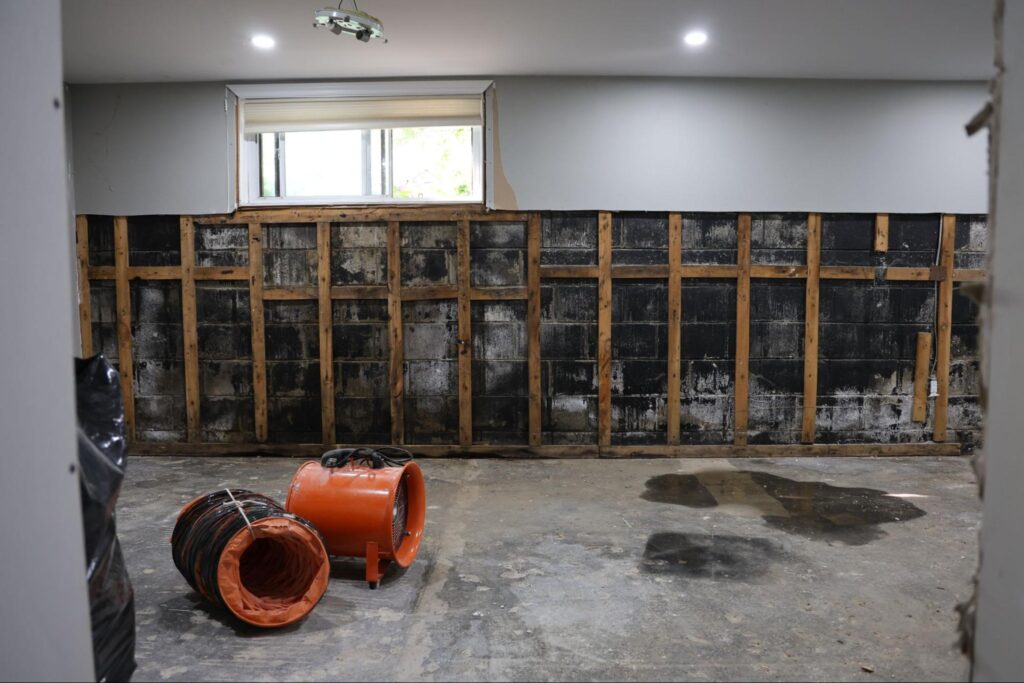
While you mightn’t contemplate it initially, understanding moisture problems is an essential step in choosing between damp-proofing and waterproofing your home. Identifying moisture sources is your first task. Where’s the water coming from? It could be seeping in from the outside, condensing from the air inside, or perhaps a leaking pipe is to blame. Each source requires a different approach, so it’s vital to get this right.
Once you’ve identified the source, you need to focus on humidity control. High humidity levels can lead to dampness, even without any obvious water source. Think about the bathroom after a hot shower, or the kitchen while you’re cooking. That’s humidity in action, causing condensation on cool surfaces like your bathroom mirror or windows.
If you’re dealing with high humidity levels, you’ll need to evaluate solutions like dehumidifiers or better ventilation to control the moisture levels.
On the other hand, if you’ve got water seeping in from outside, you’ll need to look into other solutions, like damp-proofing or waterproofing.
What Is Damp-Proofing?
So, you’re wondering what damp-proofing is?
It’s a process used to resist moisture in your building by slowing down water penetration.
Let’s talk about how it works and why it’s beneficial for your property.
Understanding Damp-Proofing Process
Damp-proofing, a moisture control process, might sound complex, but it’s actually straightforward. This process adheres to certain damp proofing regulations and is applied in specific damp proofing applications to prevent moisture from penetrating the building structure.
To better understand, consider this table which breaks down the basic elements of the damp-proofing process:
| Step | Action | Purpose |
|---|---|---|
| 1 | Surface preparation | Guarantees proper adhesion |
| 2 | Application of damp-proofing compound | Creates a barrier to moisture |
| 3 | Curing | Allows the compound to harden and bond |
| 4 | Inspection | Checks for any missed spots or potential issues |
| 5 | Maintenance | Guarantees continued effectiveness |
First, you’ve to prepare the surface. It’s typically cleaned and any existing damp or mold is removed. Next, the damp-proofing compound, usually a bitumen-based substance, is applied. This step creates a moisture barrier.
Then, you let it cure. This hardening process bonds the compound to the surface. After this, an inspection is necessary to guarantee all areas were covered and no problems exist. Finally, regular maintenance is important to guarantee the damp-proofing continues to work effectively.
That’s it! Simple, isn’t it? Now, you’re well-equipped to understand damp-proofing.
Benefits of Damp-Proofing
Now that you’ve grasped the fundamentals of the damp-proofing process, let’s explore the benefits that come along with it. The damp proofing benefits are numerous, and they extend beyond just keeping your walls dry.
Firstly, damp-proofing provides excellent moisture control. It’s not just about preventing visible wet patches. It’s also about controlling the unseen moisture that can seep into the structure of your property. This invisible moisture can cause significant damage if left unattended. Damp-proofing acts as a barrier, preventing this moisture intrusion.
Damp-proofing also contributes to a healthier living environment. Excess moisture can lead to mildew and mold growth, which can trigger respiratory problems and other health issues. By controlling moisture, damp-proofing helps to reduce the risk of these health hazards.
Additionally, damp-proofing can add value to your property. A damp-proofed property is a well-maintained property. Potential buyers are more likely to invest in a property that’s been cared for and protected against moisture damage.
Damp-Proofing Techniques and Materials
Over time, you’ll find that damp-proofing your property can considerably reduce moisture-related issues. Understanding the right techniques and materials is essential for effective protection.
Moisture barriers are your first line of defense. They’re designed to prevent moisture from penetrating your walls. Materials like bitumen or polyethylene are commonly used due to their excellent water-resistance.
Consider various sealant options too. Silicone or acrylic sealants can be applied to cracks and joints, further enhancing your property’s damp resistance.
Drainage solutions play a vital role in diverting water away from your structure, while surface treatments such as water-repellent paints add an extra layer of protection.
Foundation coatings, typically asphalt-based, are applied to your property’s base to prevent groundwater intrusion.
Insulation techniques like installing vapor barriers can also help manage moisture levels. Likewise, ventilation systems are important as they allow damp air to escape, reducing condensation.
Advantages of Damp-Proofing
When you invest in damp-proofing your property, several key benefits come into play. Besides protecting your structure from moisture damage, it’s a smart move for the long-term health of your property.
One of the main advantages of damp-proofing is its effectiveness in moisture management. It greatly reduces the risk of dampness creeping into your walls, floors, or ceilings. By controlling the moisture level, you’re saving your property from potential water damage, mold, or decay.
Damp proofing applications are versatile and can be applied to a wide range of materials such as concrete, wood, and brick. This flexibility guarantees that regardless of your property’s structure, there’s a damp-proofing solution that’s right for you.
Moreover, damp-proofing tends to be more cost-effective than other methods of moisture control. It’s a preventative measure, so you’ll be saving on costly repairs or replacements down the line.
In addition, it promotes a healthier living environment. By keeping moisture at bay, you’re reducing the chance of mold and mildew growth, which can lead to health issues.
In a nutshell, damp-proofing is a practical, cost-effective, and versatile method of protecting your property.
Limitations of Damp-Proofing
While damp-proofing offers several benefits, it’s not without its drawbacks.
You might find that its effectiveness isn’t always consistent, depending on the situation.
Let’s explore these potential limitations to get a more thorough understanding of damp-proofing.
Damp-Proofing Effectiveness
Damp-proofing might seem like a solid solution to your moisture problems, but it’s not without its limitations.
You’ll find it effective for moisture control in certain situations, but it’s important to understand that it’s not a one-size-fits-all solution.
Damp-proofing works best as a preventative measure, helping to stop water ingress from the ground or minor seepage.
It’s a step in the right direction, but it’s just part of a broader suite of prevention strategies. Depending on your specific situation, it may not be enough to fully protect your property from moisture damage.
While damp-proofing can deter moisture from permeating walls and floors, it won’t hold up against large amounts of water.
It’s not designed to withstand the pressure of standing water or constant water flow. In these cases, you’ll need something more robust, like waterproofing.
In addition, damp-proofing may not be effective against condensation, a common cause of dampness in homes.
It’s geared towards preventing moisture ingress from outside sources, rather than dealing with internal humidity problems.
Potential Damp-Proofing Drawbacks
Despite its benefits, there are a few shortcomings to damp-proofing that you should be aware of. One of the major drawbacks is the issue of moisture retention. Damp-proofing, as its name suggests, is designed to prevent dampness, not to completely block water. This means it can’t fully stop water from penetrating, especially in areas with high levels of moisture.
Over time, the moisture retention can lead to dampness, mold, and even structural damage, making it a less-than-ideal solution for areas prone to heavy rainfall or flooding.
Alongside moisture retention, you’ll also face installation challenges. Damp-proofing materials, like bituminous coating, are often messy and difficult to handle. The process requires skill, precision, and a lot of patience.
If the coating isn’t applied correctly, it won’t function as intended, leaving your building susceptible to dampness.
Also, keep in mind that damp-proofing is surface-level protection. It won’t resolve any existing moisture problems hidden deep within the walls.
It’s more of a preventative measure than a cure, limiting its effectiveness for thorough moisture control.
What Is Waterproofing?
Ever wondered about the concept of waterproofing? It’s a term you’ve likely heard, especially if you’re dealing with construction or home renovation.
Waterproofing is a vital process aimed at making your buildings resistant to water and moisture, ensuring they maintain their quality and longevity.
Waterproofing involves a range of techniques and materials, each designed to prevent water from causing damage. It’s important to remember that waterproofing isn’t just about battling the elements. It also acts as a shield against moisture that can seep in from the surrounding environment.
Here are four key aspects of waterproofing:
- Prevention: Waterproofing works to prevent water intrusion, protecting your building’s structure and interior against water damage.
- Protection: It safeguards your property, keeping its contents safe from the harmful effects of water and moisture.
- Durability: By using the right waterproofing materials and techniques, you can extend the life of your property, reducing the need for frequent repairs and renovations.
- Value: Waterproofing can enhance the value of your property, making it a worthy investment.
Now that you understand what waterproofing is, you’re better equipped to make informed decisions concerning your property’s integrity.
Waterproofing Methods and Products
Before diving into the specifics, it’s essential to recognize that various methods and products are available for waterproofing. You’ve got a wide range of choices from membrane systems to sealant options.
Membrane systems are a popular choice. They are waterproof barriers that are either applied in liquid form or as a sheet of material. They’re highly effective at blocking water, but you’ll need to make sure they’re installed correctly to prevent any leaks.
Sealant options are another method to take into account. These are substances that you can apply to the surface of a structure to prevent water penetration. They’re easy to apply and are usually less costly than membrane systems.
Here’s a quick comparison table to help you understand better:
| Method | Cost | Effectiveness |
|---|---|---|
| Membrane Systems | Higher | High |
| Sealant Options | Lower | Medium |
Benefits of Waterproofing
With the right waterproofing strategy, you can reap numerous benefits.
It’s not just about preventing unwanted water entry, but also about enhancing the longevity of your property and improving your living environment.
Here are four key benefits you’ll enjoy from proper waterproofing applications:
- Durable Structure: Common waterproofing materials, such as silicone sealants and bituminous coatings, provide a robust barrier against water and moisture.
This prevents deterioration of building materials, thereby extending the lifespan of your property.
- Healthier Living Space: Damp environments breed harmful organisms like mold and mildew.
By waterproofing your property, you’re safeguarding your health by reducing the risk of allergic reactions and respiratory issues.
- Energy Efficiency: By preventing moisture penetration, waterproofing helps to maintain the indoor temperature, consequently reducing your reliance on heating or air-conditioning systems.
- Increased Property Value: A well-maintained, waterproof house is a valuable asset.
Potential buyers will appreciate a property that’s free from water-related structural issues.
Choosing Between Damp-Proofing and Waterproofing
How do you decide between damp-proofing and waterproofing? It’s not as challenging as it seems, if you take into account the specific needs of your property and the factors at play.
First, let’s look at damp proofing advantages. Damp proofing is generally cheaper and quicker to apply than waterproofing. It’s an effective solution for preventing moisture from seeping into walls, reducing the risk of mold and mildew.
It’s also particularly suitable for buildings in drier climates, where the risk of water damage is lower.
However, if your property is in an area prone to heavy rainfall or flooding, or has a basement, you might want to evaluate the more robust protection offered by waterproofing.
While the waterproofing costs are higher, this method provides a more all-encompassing barrier against water. It’s designed to withstand higher pressures, making it more effective in preventing water ingress.
Frequently Asked Questions
Can I Apply Damp-Proofing or Waterproofing Methods to an Existing Building?
Absolutely, you can apply both damp-proofing techniques and waterproofing materials to an existing building.
Damp-proofing will help to resist moisture, but it’s not as effective as waterproofing. Waterproofing provides a stronger, more resistant barrier against water penetration.
It’s important to assess your building’s needs to guarantee you’re using the most appropriate method.
Don’t hesitate to seek professional advice if you’re unsure.
How Much Does a Typical Damp-Proofing or Waterproofing Process Cost?
You’re asking about the cost of damp-proofing versus waterproofing.
It’s difficult to give an exact figure as costs vary based on installation factors such as labor and material prices. Typically, damp-proofing is less expensive, but remember it only prevents moisture, not water pressure.
Waterproofing, though costlier, offers fuller protection. It’s best to compare costs and consider your building’s needs before making a decision.
What Maintenance Is Required After Damp-Proofing or Waterproofing a Structure?
After damp-proofing or waterproofing your structure, you’ll need to conduct post-application inspections.
It’s essential to check for any signs of leakage or damage regularly. Most professionals recommend an annual review, but it’s not a bad idea to examine your property after severe weather conditions.
How Does the Climate Affect the Choice Between Damp-Proofing and Waterproofing?
Your choice between damp-proofing and waterproofing is markedly influenced by your local climate considerations.
If you’re in a region with high moisture levels and frequent heavy rains, you’ll likely need waterproofing for maximum protection.
However, if your area experiences mild and infrequent rain, damp-proofing could be enough.
It’s essential to understand your climate’s impact to make the right choice for your property.
Can Damp-Proofing or Waterproofing Methods Be Harmful to the Environment?
Yes, both damp-proofing and waterproofing methods can have environmental impacts, primarily due to chemical usage.
They often involve substances that aren’t eco-friendly. When you apply these treatments, chemicals can leach into the ground, potentially contaminating water sources.
It’s crucial to evaluate environmentally friendly alternatives or guarantee proper containment of these substances to minimize their environmental footprint.
Conclusion
So, you’ve learned about damp-proofing and waterproofing. Damp-proofing is great for minor moisture issues and it’s pretty cost-effective. But, if you’re dealing with heavy rainfall or flooding, waterproofing is your best bet. It’s more durable and offers long-term protection. The decision between the two will depend on your specific situation. Just remember, it’s essential to keep your property safe from water damage, so choose wisely!

Ohio State Waterproofing has provided quality service with over 90,000 successful waterproofing and foundation repair installations and satisfied customers since our inception in 1978.
Ohio State Waterproofing’s philosophy for success is to provide honest, courteous and guaranteed service to every customer. Our reputation reflects this. Our well-trained waterproofing technicians are dedicated to complete customer satisfaction. This is achieved through fast, efficient processes as well as teamwork throughout this organization. You will always find a friendly representative willing to meet your needs at Ohio State Waterproofing.
We are a full service company that handles problems ranging from patching cracks to rebuilding basements. In addition, we hold three patents related to waterproofing that make us unique in the industry. These patents and our experience allow us to be able to do what every other waterproofer can do, but no one else can do what we do.
We are actively involved in the industry and community, including the National Association of Waterproofing Contractors, BHA, NARI, NAHB, NHIA, the BIA, the FHA and a number of consumer advocacy groups, as well as playing leading roles in a number of charitable functions.
But, most importantly, our highest degree of praise comes from the thousands of referrals we get from satisfied customers. Together they’ve made us a leader in the basement waterproofing and foundation repair industry.