 Skip to content
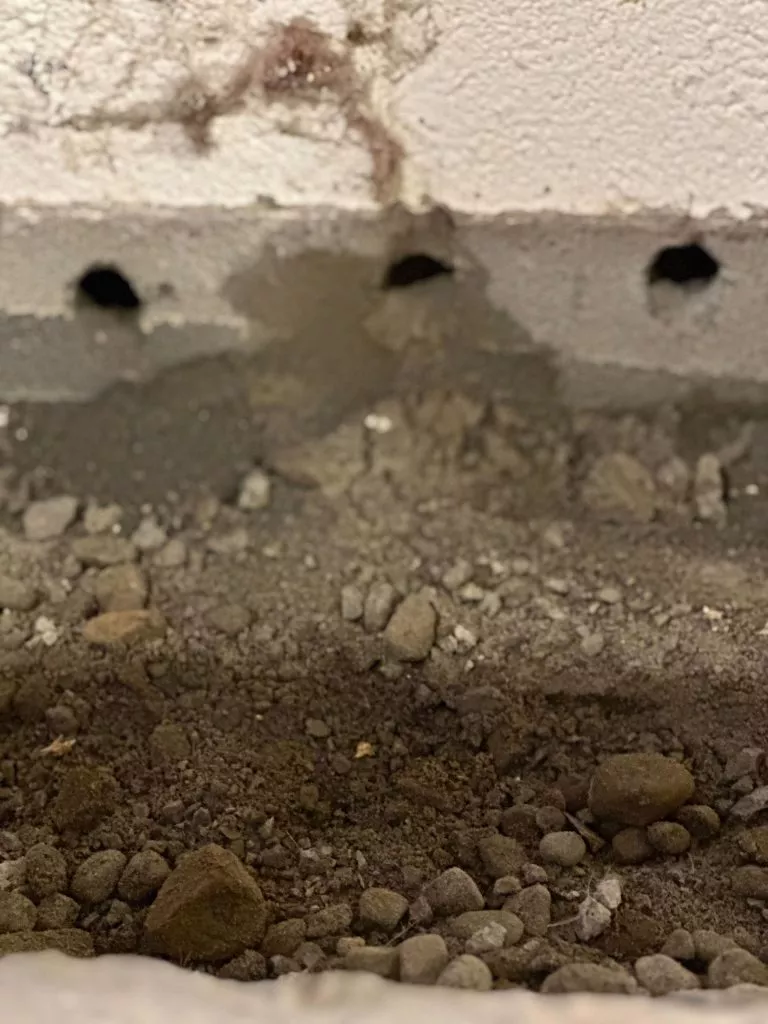

 You’ve invested time and money into finishing your basement, so wouldn’t you want to make sure it’s protected from potential water damage? Consider this, even the smallest amount of moisture can lead to mold growth, ruining your beautiful space and posing a health risk. From implementing proper drainage systems to applying waterproof sealants and carrying out regular inspections, there’s a lot you can do to safeguard your basement. Intrigued? Let’s explore these preventative measures further to keep your finished basement dry and damage-free.
Key Takeaways
- Apply waterproof sealants on interior walls and floors to prevent water seepage.
- Install a sump pump for managing high water pressure and removing accumulated water.
- Use exterior barriers and vapor barriers to protect against external water sources and moisture infiltration.
- Implement a well-planned drainage system, such as French and trench drains, to divert rainwater away from the house.
- Conduct regular maintenance and inspections, ensuring prompt repair of any foundation cracks and monitoring for signs of water damage.
Understanding Basement Water Problems
In dealing with basement water problems, you first need to understand the root causes. It’s not just about mopping up after a flood. It’s about identifying moisture sources, which are typically rainwater or groundwater seeping in from the outside.
During heavy rains, the soil surrounding your basement can become saturated, exerting pressure on your home’s foundation. This pressure can force water through cracks or gaps, resulting in a wet basement.
Groundwater, on the other hand, can rise through the floor of your basement, especially during periods of heavy rainfall or rapid snowmelt. You can’t control the weather, but you can control how your home responds to it. That’s where water barriers come in.
Water barriers are an essential part of a robust basement waterproofing system. They’re designed to prevent water from entering your basement from the outside. This can be in the form of exterior waterproofing coatings, interior water drainage systems, or even a sump pump to remove water that does manage to enter.
Evaluating Your Basement’s Risk
Before you can take effective measures to protect your basement from water damage, it’s crucial to evaluate the risk your basement faces.
This risk assessment isn’t as intimidating as it sounds. You’re simply trying to identify potential moisture sources and understand how they could affect your basement.
Here’s a simple three-step process to help you assess your basement’s risk:
- Locate Potential Moisture Sources: Look for any signs of water intrusion such as damp spots, water stains, or mold. These could be an indication of a hidden moisture source.
- Assess Your Home’s Landscape: Pay attention to the slope of your yard. If it slopes towards your home, rainwater could easily seep into your basement.
- Check Your Plumbing: Old, corroded, or poorly installed plumbing can leak and cause water damage.
Waterproofing Solutions for Basements
Having evaluated your basement’s risk and identified potential moisture sources, it’s time to tackle water intrusion head-on with some effective waterproofing solutions.
Interior sealing is a great starting point. Products like waterproof sealants can keep water from seeping through your walls and floor. However, if the water pressure is too great, moisture control will become a necessity. This is where sump pumps come into play. They collect water and pump it away from your home, helping you maintain a dry basement.
Exterior barriers serve as your first line of defense, protecting your foundation from water. Vapor barriers, made from plastic or foil sheet, are installed to restrict water vapor from infiltrating your basement.
You’ll also want to take into account drainage tiles to redirect water away from your basement.
Should you notice any cracks or damage to your foundation, it’s crucial to carry out repairs promptly. Ignoring this could lead to more extensive water damage.
Importance of Proper Drainage Systems
Everyone knows that water and basements don’t mix, but what you mightn’t realize is just how essential proper drainage systems are for keeping your basement dry.
A well-planned and correctly installed drainage system is your best defense against water damage.
When it comes to drainage types, there are several options available. Here’s a simple breakdown:
- French Drains: These are basically trenches filled with gravel, surrounding a perforated pipe that collects water and diverts it away from your home.
- Trench Drains: These are installed at the base of the basement’s entrance to prevent water from flowing inside.
- Sump Pumps: These devices pump out water that has accumulated in a sump basin and send it away from your home.
Each drainage type has its merits, but sump pumps are particularly vital.
They’re your last line of defense, kicking in when the water levels rise dangerously high.
Remember, it’s not enough to have a drainage system installed; it needs to be the right one for your home’s unique circumstances.
So, do your homework, consult professionals, and make an informed decision.
Your basement’s safety depends on it.
Regular Maintenance and Inspections
Three essential words to remember are maintenance, inspection, and regularity. These are key to protect your finished basement from water damage. You should regularly inspect your basement for signs of potential water damage. This includes checking for cracks in the walls, damp spots, or unusual odors.
Seasonal checkups are a must. As the seasons change, so do the potential threats to your basement. In the winter, the ground can freeze and expand, causing cracks in your basement walls. In the spring, heavy rains can lead to flooding. Regular inspections can help you identify these problems early, before they lead to significant damage.
Moisture control is another vital aspect of basement maintenance. You should regularly check your basement for signs of humidity. This can include condensation on windows, damp walls, or a musty smell.
If you notice any of these signs, it’s important to take action immediately. This could involve using a dehumidifier, installing ventilation, or repairing leaks.
Frequently Asked Questions
Does Homeowners Insurance Typically Cover Water Damage in Finished Basements?
Typically, homeowner policies don’t automatically cover water damage in finished basements.
It’s often considered a water damage exclusion. However, you can add coverage for this specifically.
It’s essential you check your policy details and talk with your agent. You want to make sure you’re covered, as water damage repairs can be costly.
Can Installing a Dehumidifier Help Prevent Moisture Accumulation in My Basement?
Absolutely, installing a dehumidifier can greatly help in moisture control in your basement.
Dehumidifiers work by pulling moisture out of the air, reducing the chance of mold and mildew growth.
This device is one of the simplest and most effective ways to maintain a dry, comfortable space.
So, if you’re worried about moisture accumulation, consider the benefits of a dehumidifier.
It could be the solution you’re looking for.
Is There a Specific Type of Paint or Sealant That Helps Prevent Water Damage?
Yes, there is! You’d want to contemplate using waterproof coatings or sealants.
They’re specifically designed to prevent water from seeping into your walls. Additionally, mold resistant paints can be a great choice.
They not only shield your walls from moisture but also inhibit mold growth. It’s a two-pronged approach to protecting your space.
What Are the Best Materials to Use for Flooring in a Basement to Prevent Damage?
When choosing basement flooring, consider water resistant options.
Vinyl, ceramic tile, or concrete are good picks. They’re tough, stand up to moisture, and can be stylish too.
Don’t skip professional flooring installation. It guarantees correct setup, vital for warding off water damage.
How Can Landscaping Impact the Risk of Water Damage in My Basement?
Landscaping greatly impacts your basement’s water damage risk.
The right drainage solutions, like installing gutters and downspouts, can divert water away from your home.
Soil grading’s also key. You’ll want to make sure it slopes away from your house, preventing water from pooling near your foundation.
It’s not just about aesthetics; smart landscaping decisions can make a big difference in keeping your basement dry.
Conclusion
So, you’ve got the lowdown on protecting your finished basement from water damage. Remember, a good drainage system, regular inspections, and the right waterproofing approach can keep your basement dry and damage-free. Don’t ignore those damp spots and leaks! With the right care and a proactive mindset, your basement can remain a safe, comfortable space for years to come. Trust us, it’s worth the effort.







