Skip to content
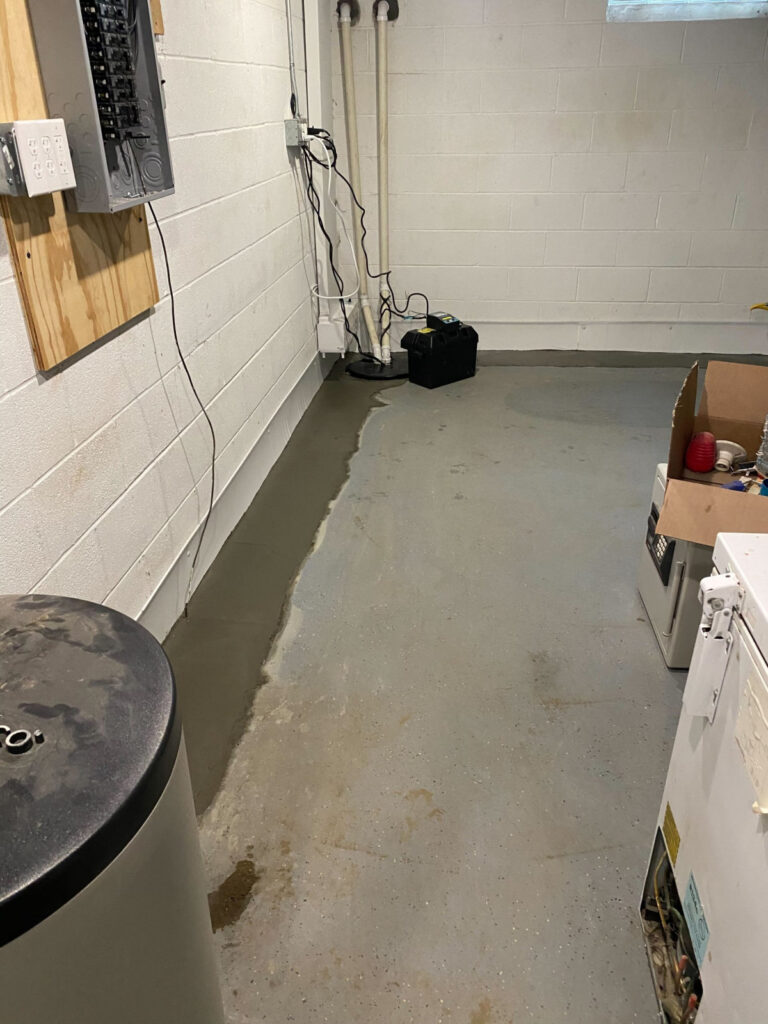

 You might not use your basement, but have you ever considered the significance of keeping it watertight? Even a small amount of water intrusion can lead to serious, expensive problems like mold growth, structural deterioration, and pest infestations. Not only are these issues a headache to deal with, but they can also greatly impact your home’s value and your own health. So, what can you do to guarantee your basement stays dry, and why is it such an essential part of home maintenance? Let’s discuss.
Key Takeaways
- Ensuring a watertight basement prevents mold growth, safeguarding against health risks.
- A watertight basement prevents foundation cracks and structural instability due to water erosion.
- Even unused basements can attract pests due to moisture, hence, a watertight basement helps avoid infestations.
- Protecting your basement against leaks helps maintain your home’s value and prevents costly structural repairs.
- Implementing waterproofing measures like proper drainage systems and regular inspections increase the lifespan of the basement and entire property.
The Hidden Dangers of Basement Leaks
While you might dismiss a small leak in your basement as a minor, easily fixable issue, it’s important to understand the hidden dangers that can arise from these leaks.
One of the most immediate threats is mold growth. Mold thrives in damp environments, and it can fast become a health hazard, negatively affecting your home’s air quality.
This issue can also lead to insulation damage. Water can soak into insulation, rendering it less effective, which in turn can increase your heating and cooling bills.
Another critical problem is foundation cracks. Over time, water can erode the foundation of your home, causing cracks to form. These cracks can grow larger if not addressed, leading to more severe structural issues.
Also, don’t overlook the risk of pest infestation. Many pests, like cockroaches and termites, are attracted to damp areas, and a leaky basement is like an open invitation to these unwanted guests.
How Water Invades Your Basement
Understanding the risks associated with a leaky basement is only half the battle; it’s equally important to grasp how water can infiltrate this part of your home in the first place. Multiple water sources can contribute to this issue, and understanding them aids in implementing effective prevention methods.
Let’s look at a table that outlines some common water sources, how they can invade your basement, and a few prevention methods:
| Water Source | Means of Invasion | Prevention Method |
|---|---|---|
| Rainwater | Seeping through cracks | Seal cracks promptly |
| Groundwater | Entering through floor joints | Install a sump pump |
| Plumbing leaks | Escaping from pipes | Regular plumbing checks |
| Condensation | Forming on cold surfaces | Use a dehumidifier |
| Overflowing gutters | Spilling over the sides | Clean gutters regularly |
Impact on Your Home’s Structural Integrity
Unchecked water intrusion can wreak havoc on your home’s structural integrity. The problem isn’t just about a wet, damp basement—it’s far more serious than that. The constant presence of water can compromise the foundation stability of your home.
Over time, water seeping into the foundation causes the materials to weaken and erode. It’s a gradual process, but the damage can be significant.
You may not realize it, but moisture control plays a significant role in maintaining your home’s structural integrity. When you allow water to persist in your basement, you’re fundamentally giving moisture a free pass to infiltrate your home.
This ongoing dampness can lead to serious structural issues such as wood rot, rusting support beams, and deteriorating floor joists.
Financial Implications of a Leaky Basement
Your wallet’s worst nightmare might be a leaky basement. It’s a problem you can’t ignore, and the financial implications are far more severe than you might think.
Water damage is more than just an aesthetic issue—it’s a silent destroyer of your home’s structure and value.
Consider the costly repairs. You might initially dismiss a small leak, but over time, water can cause significant damage.
Mold growth, foundation cracks, and structural decay aren’t just inconvenient—they’re expensive to fix. Each of these issues can cost thousands of dollars to repair, and that’s money straight out of your pocket.
Now, let’s talk insurance implications. While you may think your homeowner’s insurance covers water damage, that’s not always the case.
Many policies exclude damage resulting from ongoing water leakage. That means you could be footing the bill entirely on your own. Not to mention, frequent claims can cause your premiums to skyrocket.
Effective Strategies for Watertight Basements
Several effective strategies can help you achieve a watertight basement, offering an essential defense against potential water damage.
First, consider installing a proper drainage system. It’s an essential step you shouldn’t overlook. Efficient drainage systems, like French drains or sump pumps, guide water away from your basement, safeguarding it from floods and leaks.
Secondly, you’ll want to insulate your basement using waterproof materials. These materials form a barrier that prevents water from seeping into the basement. Waterproof materials range from paints and sealants to membranes and panels. They’re durable and resist water intrusion, ensuring your basement remains dry.
Lastly, don’t forget to regularly inspect and maintain your basement. It’s easy to overlook minor cracks and leaks, but they can lead to major problems down the line. Regular maintenance helps you catch these issues early, allowing you to address them before they escalate.
Frequently Asked Questions
What Materials Are Needed for Making a Basement Watertight?
To make your basement watertight, you’ll need certain materials.
First and foremost, you’ll need waterproof membranes. These act as a barrier, keeping water out.
Additionally, you’ll require a proper drainage system. This helps direct any water that does make it through, away from your home.
It’s also advisable to have sealants and water-resistant paint.
How Long Does the Process of Making a Basement Watertight Take?
You’re wondering how long it takes to make your basement watertight.
It depends on several factors, like the size of your basement and the severity of the dampness.
Typically, a basement waterproofing timeline can range from a few days to a week.
But remember, it’s essential to do it right, even if it takes longer.
Don’t rush it, as a watertight basement can prevent serious damage in the future.
Are There Any Health Risks Associated With a Non-Watertight Basement?
Yes, there are health risks tied to a non-watertight basement. If it isn’t watertight, moisture can seep in, creating an ideal environment for mold growth.
This mold can affect your home’s air quality, leading to potential health issues. You might experience allergy-like symptoms, such as a runny nose, itchy eyes, and even difficulty breathing.
It’s crucial to keep your basement watertight, even if you don’t use it, to protect your health.
Can a Watertight Basement Increase the Value of My Property?
Absolutely, a watertight basement can boost your property’s value.
Think about it, potential buyers don’t want to deal with potential flooding issues. It’s an asset during property appraisal, as it increases your home’s market appeal.
It’s not just about use, but peace of mind. Even if you’re not planning to sell soon, waterproofing your basement is a smart, long-term investment.
Can I Make My Basement Watertight by Myself or Do I Need Professional Help?
You can certainly attempt to make your basement watertight using DIY techniques, but it’s not always as effective as professional waterproofing solutions.
While DIY can fix minor issues, it’s important to get professional help for a thorough job.
Remember, a poorly done job can lead to more issues down the line.
Conclusion
So, don’t ignore your basement—even if it’s out of sight. Making it watertight isn’t just about preventing messes. It’s about stopping mold, safeguarding your home’s structure, and avoiding financial headaches. By waterproofing, you’re investing in the long-term health and value of your home. Remember, a little effort now can save you a ton of trouble later. Make the smart move and guarantee your basement remains dry and damage-free.