
 You’ve walked through the wreckage of your water-damaged basement, feeling the weight of the cleanup and repair tasks ahead. But imagine transforming that damp, disaster-stricken space into a cozy family room or a swanky home theater. With the right approach and a little elbow grease, you not only reclaim your basement but also boost your home’s value. Curious about how to turn your basement disaster into a dry, functional space? Let’s explore the journey of a basement makeover, step by step.
Key Takeaways
- The basement makeover began with a thorough damage assessment to reveal hidden moisture and structural issues.
- Effective waterproofing strategies, including drainage systems and humidity control, were crucial in the restoration process.
- A competent contractor was chosen based on credentials and experience, assisting in detailed renovation planning.
- Personalization was achieved through an open floor plan, custom lighting, and unique DIY decor to transform the basement.
- The dry, remodeled basement not only increased property value but also provided a space for hosting and sharing the renovation journey.
The Initial Disaster
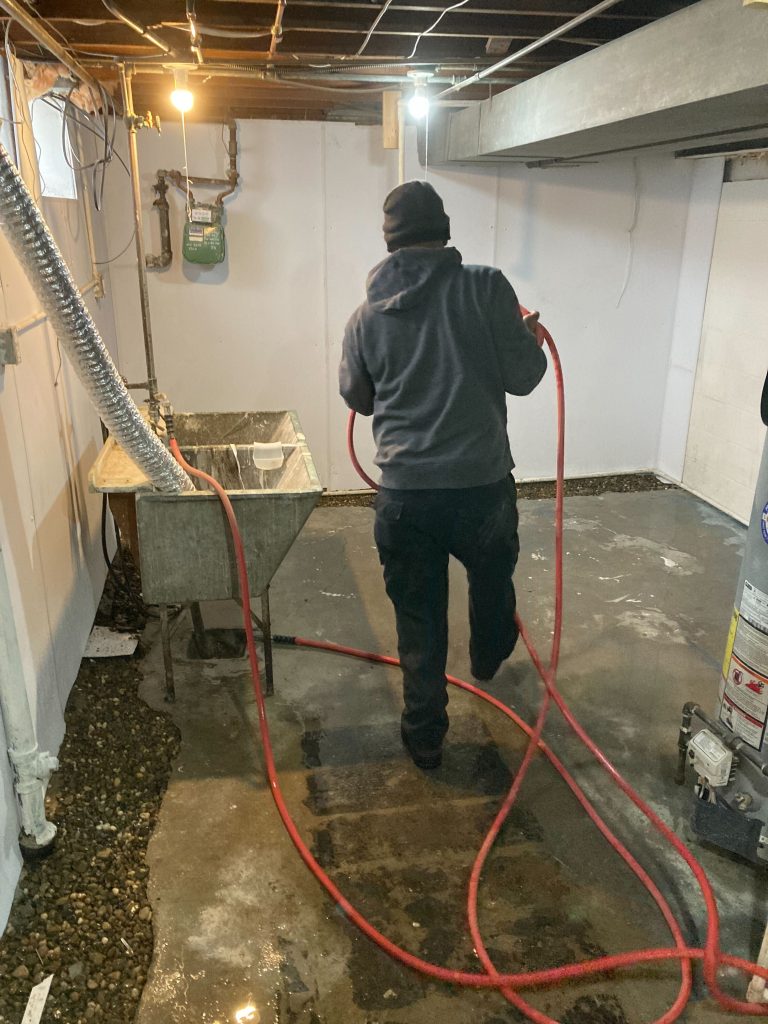
Although you might’ve expected an ordinary basement, what you found was a disaster zone. The aftermath of a flood had turned your once dry, functional space into a wet, murky mess. Everywhere you looked, there was water; water seeping into the carpets, water ruining your furniture, water causing untold damage.
It’s not just the water, either. No, it’s the mud, the muck, the grime that came along with it. It’s the smell, that damp, musty odor that’s now permeating every corner. It’s the sight of your belongings, once cherished, now ruined and discarded. It’s the realization that this isn’t going to be an easy fix.
Restoration challenges lay ahead. You’ll have to pump out the water, clean up the mud, salvage what you can. You’ll have to deal with potential mold, with structural damage, with the loss of personal items.
And even then, there’s no guarantee that everything will be as it once was.
But don’t despair. Even though the task may seem overwhelming, remember that you’re not alone. There are professionals out there who specialize in these kinds of disasters. They can help you navigate through this difficult time, and get your basement back to a livable condition.
Assessing the Damage
Before you even begin the cleanup process, you need a clear understanding of what you’re up against. It’s not just about removing the water; it’s about conducting a thorough damage assessment and moisture evaluation.
You may be dealing with more than just water damage. Moisture can lead to mold, which poses serious health risks. Also, structural damage may be lurking beneath the surface. It’s vital to pay attention to these details, as they determine your next course of action.
Here’s a simple three-step process to conduct a complete damage assessment:
- Visual Inspection: Look around. What do you see? Water stains on the walls or floor? Cracks in the foundation? These are signs of potential damage.
- Moisture Evaluation: Use a moisture meter to determine the level of dampness. This helps in identifying hidden pockets of wetness that aren’t visible to the naked eye.
- Professional Assessment: If you’re unsure about the extent of the damage, don’t hesitate to call in a pro. They’ve the expertise to identify and assess damage you might overlook.
Understanding the extent of the damage is the first step towards reclaiming your basement. Once you’ve assessed the damage, you can start planning your basement’s transformation.
Envisioning a Dry Basement
Imagine your basement completely dry and free from moisture.
To make this a reality, you’ll first need to identify where the moisture is coming from.
Then, you can choose the best waterproofing techniques and implement effective drying solutions to transform your damp basement into a dry, usable space.
Identifying Basement Moisture Sources
In the domain of basement makeovers, identifying moisture sources is an essential first step. You can’t move forward without first addressing moisture detection. It’s all about understanding where the water’s coming from. Is it a condensation issue, or groundwater seeping in? You need to know.
First, inspect the foundation. Any leaks or cracks can let moisture in, creating a humid environment. Here, humidity control is vital. You might need a dehumidifier to help with air circulation, reducing dampness and potential mold growth.
Next, consider the drainage solutions. Are your gutters and downspouts diverting rainwater away from the foundation? If not, that’s a problem. You might also need to install sump pumps for groundwater management. These can prevent flooding and mitigate any existing water issues.
Lastly, consider vapor barriers. These are usually plastic or foil sheets, used to prevent moisture from passing into the basement.
Here’s a brief rundown:
- Foundation inspection
- Drainage solutions, including sump pumps
- The use of vapor barriers
Selection of Waterproofing Techniques
Three essential waterproofing techniques could turn your damp basement into a dry, usable space.
Let’s start with drainage systems. These can effectively divert water away from your basement, especially if you combine them with proper landscape grading. Speaking of which, grading your landscape to direct water flow away from your foundation is vital.
Next, let’s talk sealant options. You’ve got surface coatings that can provide a waterproof barrier, and sealants that can be used for foundation repair if you’ve got cracks letting water in.
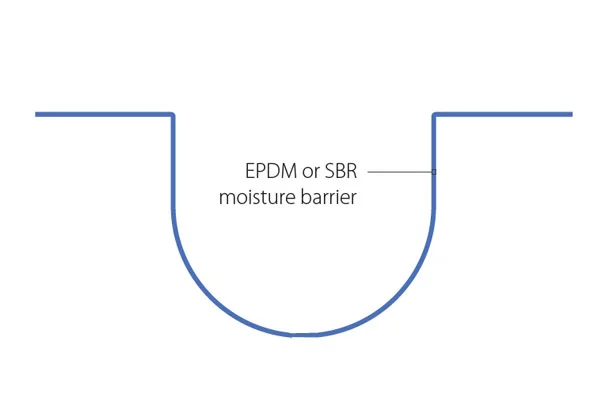
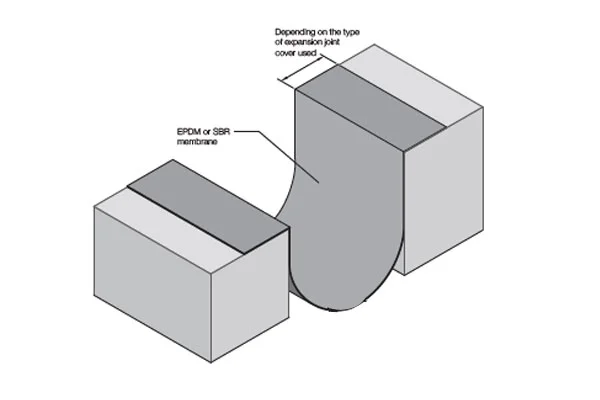
Don’t forget about moisture barriers—these are a must-have for any basement makeover.
Then there’s the sump pump. It’s your last line of defense against water getting in, especially in heavy rain. A well-placed and maintained sump pump can save your basement from becoming a swamp.
Now, consider your basement vents and insulation types. Vents can help manage humidity levels, while the right insulation can resist absorbing moisture.
Water testing is useful too, not just for your drinking water but to identify any unseen leaks.
These are the key waterproofing techniques you’ll need to know to envision a dry basement.
There’s a lot to cover, but with careful planning and the right approach, you can turn your damp basement into a dry, comfortable space.
Implementing Basement Drying Solutions
Without a doubt, your basement’s transformation begins with implementing drying solutions. This process is essential for humidity control and moisture monitoring, ensuring that your basement remains dry and habitable.
Let’s tackle the first step: dehumidifier options. A good dehumidifier is key to maintaining a dry environment, controlling excess humidity, and preventing mold growth. Depending on your basement’s size and moisture level, you might need a small portable unit or a full-house system.
Next, consider sump pump installation and drainage solutions. These systems work together to redirect water away from your home’s foundation, a critical step in flood prevention.
Thirdly, insulation types, moisture barriers, and ventilation systems play an integral role in your basement’s drying solutions. Here’s a brief breakdown:
- Insulation: It prevents condensation, reducing moisture levels.
- Moisture Barriers: These are applied to walls and floors to block moisture seepage.
- Ventilation Systems: They circulate air, reducing humidity and preventing dampness.
Choosing the Right Contractor
Steering through the sea of potential contractors can be tricky, but choosing the right one is paramount to your basement makeover story. You’ll need to evaluate contractor credentials, project timeline, and budget considerations.
First, check the contractor’s credentials. Are they licensed and insured? Do they’ve the necessary experience to handle your project?
In addition, ask about the project timeline. You want a contractor who can deliver quality work within a reasonable timeframe. However, don’t forget to factor in your budget considerations. Be clear on payment terms to avoid surprises later.
The contractor’s communication style is equally important. You need someone who’ll keep you updated on progress, answer your questions, and address your concerns promptly.
Look at their past projects and read customer reviews. This will give you an idea of their work quality and reliability.
Ensure they offer warranty options for their work and have good subcontractor management. You don’t want to be left dealing with subcontractor issues.
Drying and Damage Repair
Dealing with a damp basement? It’s time to take action. You can’t overlook the importance of drying and damage repair in maintaining your home’s structural integrity.
First, identify the source of the moisture. It could be poor basement ventilation or inadequate drainage systems.
Once you’ve found the culprit, install moisture barriers to keep dampness at bay.
Next, consider dehumidifier options. With energy efficiency in mind, choose a model that will effectively reduce humidity levels while saving on your electricity bills.
Now, let’s get to the heart of the matter:
- Don’t skimp on home inspections. They’re essential for evaluating damage and planning renovations.
- Get flood insurance. It’s a lifesaver when dealing with water-damaged basements.
- Prioritize mold prevention. It’s not just about aesthetics – mold poses serious health risks.
Waterproofing the Basement
Now that you’ve successfully dried and repaired any damage in your basement, it’s time to tackle waterproofing.
First, you’ll need to identify any potential water issues that could lead to future problems.
Once you’ve done that, you can begin exploring the various waterproofing techniques that might best suit your basement’s needs.
Identifying Basement Water Issues
Before you can dream of turning your basement into a cozy hideaway or a functional home office, you’ve got to tackle the crucial task of identifying any water issues. It’s important to guarantee water detection, moisture control, and effective drainage systems are in place.
First, inspect your basement thoroughly for signs of water damage. Look for moisture on walls, floors, and ceilings, or a musty smell which is a clear sign of excessive humidity.
Humidity regulation plays a critical role in maintaining a dry basement, so make sure you have a dehumidifier installed.
Second, verify your sump pump’s functionality. Sump pumps are key in preventing water buildup in your basement.
Also, consider regular plumbing inspections to detect leaks early.
Third, check your home’s exterior for possible causes of water intrusion. This could involve inspecting the foundation sealing, landscape grading, and confirming that water drains away from your home effectively.
Choosing Waterproofing Techniques
Having identified any water issues in your basement, your next step is to choose effective waterproofing techniques.
Drainage systems are an essential component, diverting water away from your home. Couple this with exterior grading and landscaping strategies to guarantee water flows away from your foundation, not towards it.
Look into moisture barriers and sealant options, applied both externally and internally. These offer a layer of protection against dampness seeping through your walls and floors.
Remember, interior waterproofing isn’t just about barriers and sealants; consider installing a sump pump. It’s a powerful tool that collects excess water and redirects it away from your basement, preventing flooding.
Ventilation solutions are equally important for humidity control. Install a dehumidifier to reduce moisture levels and prevent the growth of mold and mildew.
Lastly, don’t forget about foundation repairs. Cracks in your foundation aren’t just an invitation for water; they’re a VIP pass. Repair them promptly to guarantee your waterproofing efforts aren’t in vain.
Choosing waterproofing techniques is a significant step in your basement makeover. Don’t rush it; every choice you make contributes to a dry, usable space.
Remodeling the Space
In the heart of your basement makeover journey, remodeling the space becomes the priority. You’ve conquered the dampness, now it’s time to transform the area into a fascinating and functional living space.
The key here is to strategically balance space utilization and design aesthetics.
When it comes to space utilization, you need to view your basement as a blank canvas. The goal is to maximize the space without making it feel cramped. Consider an open floor plan; it can make even the smallest basement feel spacious.
Design aesthetics, on the other hand, is about giving your basement its unique personality. This involves selecting the right color schemes, lighting, and furniture that align with your taste and lifestyle.
Here are three tips to help you nail your basement remodeling:
- Sketch your design: Visualizing your design can help you foresee any potential issues before they arise.
- Choose durable materials: Basements are prone to humidity and temperature changes; pick materials that can withstand these conditions.
- Get professional help: If you’re unsure about anything, don’t hesitate to reach out to a professional.
Personal Touches and Finishing
Now that your space is remodeled, it’s time to make it truly yours with unique decorations, functional furniture, and custom lighting solutions.
This stage is where your personality and style shine through.
Let’s explore how to add those personal touches and finish your basement makeover project in style.
Choosing Unique Decorations
After all the hard work and planning, you’ve finally reached the fun part – choosing unique decorations. This is your chance to let your personality shine through in the space, transforming it from a bare basement to a vibrant living area.
Start by deciding on a color palette that both soothes and invigorates you. This will set the tone for the rest of your decor, from unique textiles to wall art. Add in some statement pieces and artistic accents that reflect your tastes.
Whether you lean towards eclectic styles or prefer something more traditional, there’s no limit to the creative options available.
To emphasize your unique style, consider these three elements:
- DIY Crafts: These allow you to add personalized decor that’s one-of-a-kind. Whether it’s a hand-painted canvas or a custom-built bookshelf, these pieces will add a personal touch to your space.
- Decorative Plants: Plants bring life and color to any room. Choose from a variety of indoor plants that thrive in basement conditions.
- Creative Storage: Use stylish baskets, unique shelves, or vintage trunks to store items while adding to your decor.
Implementing Functional Furniture
Moving onto the next step of your basement transformation, you’re ready to plunge into the world of functional furniture. Multifunctional designs are your new best friend, offering space-saving solutions that don’t compromise on style or comfort.
Think about a stylish storage ottoman that serves as ergonomic seating during your movie nights and doubles as a place to keep your DVDs.
Your furniture layout is essential for maximizing the potential of your new space. Opt for practical furnishings that allow adaptable arrangements. A modular sofa, for example, can be reconfigured to suit different occasions, giving you the flexibility you need.
And don’t forget about incorporating stylish storage solutions that keep the clutter at bay while enhancing aesthetic appeal.
Adding personal touches to your space also contributes to its aesthetic appeal. A vintage trunk, perhaps, can provide storage while serving as a conversation piece.
Ergonomic seating guarantees that your basement isn’t only stylish but also comfortable. Remember, a functional basement is one that caters to your needs and preferences.
With careful planning and selection, your basement will soon be a cozy, functional, and attractive space.
Custom Lighting Solutions
Shedding the right light on your revamped basement is the next essential step.
To create a warm and inviting space, you’ll want to take into account ambient lighting, task lighting, and accent features. Each of these plays a critical role in mood enhancement and aesthetic appeal.
- Ambient Lighting: This is your main source of light and it sets the color temperature of your basement. Opt for energy-efficient bulbs with a warm glow to give your basement that cozy feel.
- Task Lighting: Task lighting provides focused light for specific tasks. Think about your basement’s functionality when deciding on lighting placement. For example, desk lamps for workspaces, or pendant lights over your pool table.
- Accent Features: Accent lighting is used to highlight specific features or objects in your basement. This could include recessed lights highlighting your bookshelves or wall sconces flanking your artwork.
Maintaining a Dry Basement
The journey to a well-maintained basement begins with ensuring its dryness. Controlling basement humidity is critical.
You’ll want to start by inspecting for foundation cracks that may let in moisture. If you find any, you’ll need to seal them promptly.
Next, check the landscape grading around your home. It should slope away from your foundation to divert water. If it doesn’t, you’ll need to correct it.
Additionally, consider whether your basement needs better drainage systems or a sump pump. Both can greatly reduce the risk of flooding.
Of course, preventing moisture from entering your basement is only half the battle. You’ll also need to eliminate any moisture that does get in. This is where dehumidifier options come into play. A good dehumidifier can help maintain ideal air circulation and reduce basement humidity.
Further, consider investing in moisture barriers and insulation materials. These can be installed on your basement walls and floor to prevent moisture seepage.
Celebrating the Transformation
After all the hard work, it’s finally time to celebrate the transformation of your basement. The journey you’ve traversed from disaster to dry is worth throwing a party. The before after images serve as renovation inspiration, a proof of your dedication and hard work.
- Before After Photos: Consider creating a photo album showcasing before after pictures of your basement. The stark contrast between what was and what’s now will leave your guests in awe.
- Renovation Inspiration Party: Throw a party in your newly renovated basement. Let your hard work be the backdrop for a great evening with friends and family.
- Share Your Renovation Story: Use this opportunity to inspire others. Share your journey from disaster to dry on social media or a blog post. Your story could be the renovation inspiration someone else needs.
Frequently Asked Questions
What Are Some Common Signs of a Basement Water Disaster?
You’ll see common signs of a basement water disaster like flood damage, such as water stains or peeling paint on walls and floors.
There’s often a musty smell too. You might also notice mold or mildew.
Using moisture detection can help you find hidden leaks.
If your belongings are damp or ruined, it’s another big indicator.
Don’t ignore these signs; they’re your basement’s cry for help!
How Long Does a Full Basement Makeover Typically Take?
You’re wondering how long a full basement makeover takes.
It’s not a simple answer, as timeline factors like the size of your basement and the extent of the renovation can vary.
Typically, you’re looking at several weeks to a few months.
Renovation phases including design, demolition, construction, and cleanup all contribute to the timeline.
Are There Financing Options Available for Basement Renovations?
Absolutely, there are financing options available for basement renovations.
You can consider renovation loans as a potential option. They’re specifically designed for home improvement projects.
However, it’s essential to plan your budget carefully. You don’t want to get stuck in a financial mess halfway through.
Always make sure to factor in a little extra for unexpected costs.
How Can I Prevent Future Water Damage in My Basement?
You can prevent future water damage in your basement by installing a proper basement drainage system. This will direct water away from your home.
Additionally, consider waterproofing solutions such as sealants and coatings, which can prevent water seepage.
Regular maintenance checks for leaks and cracks will also help keep your basement dry.
What Is the Impact of a Basement Makeover on My Homes Value?
A basement makeover can greatly increase your home’s value.
Improving your basement’s aesthetics makes it more appealing, attracting potential buyers.
It’s not just about looks, though. A dry, well-maintained basement shows you’ve invested in your property, preventing potential issues like water damage.
So, you’re not only enhancing your home’s look, but you’re also making a smart property investment.
It’s a win-win!
Conclusion
You’ve turned your basement disaster into a celebratory success! With thorough planning, the right contractor, and durable materials, you’ve transformed a damp mess into a dry, functional space. Your personalized decor and humidity control have not only reclaimed your basement but also added value to your home. Now, it’s time to celebrate the transformation with your loved ones, appreciating your hard work, and enjoying your new space. You did it!

Ohio State Waterproofing has provided quality service with over 90,000 successful waterproofing and foundation repair installations and satisfied customers since our inception in 1978.
Ohio State Waterproofing’s philosophy for success is to provide honest, courteous and guaranteed service to every customer. Our reputation reflects this. Our well-trained waterproofing technicians are dedicated to complete customer satisfaction. This is achieved through fast, efficient processes as well as teamwork throughout this organization. You will always find a friendly representative willing to meet your needs at Ohio State Waterproofing.
We are a full service company that handles problems ranging from patching cracks to rebuilding basements. In addition, we hold three patents related to waterproofing that make us unique in the industry. These patents and our experience allow us to be able to do what every other waterproofer can do, but no one else can do what we do.
We are actively involved in the industry and community, including the National Association of Waterproofing Contractors, BHA, NARI, NAHB, NHIA, the BIA, the FHA and a number of consumer advocacy groups, as well as playing leading roles in a number of charitable functions.
But, most importantly, our highest degree of praise comes from the thousands of referrals we get from satisfied customers. Together they’ve made us a leader in the basement waterproofing and foundation repair industry.