Scope of repairs needed
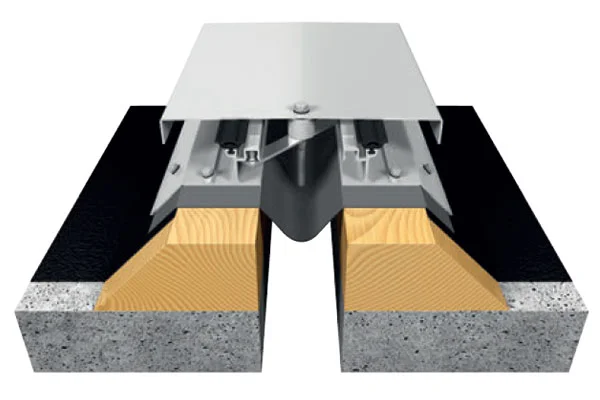
New expansion joints are needed along the entire East and West walls, and loose and delaminated concrete will need to be removed and the areas repaired with a rapid-setting concrete repair mortar. In order to complete the work, the aluminum bleachers will need to be removed and replaced. While they are off, workers will power wash the porous concrete surfaces beneath and sandblast where needed.
“There is no point in patching the bottom side of this without stopping the moisture migration through the concrete,” Eakins said.
To block moisture from soaking into the concrete, a specialty sealer, thinner than water, will be applied. All expansion joints in the concrete will need to be cleaned out and resealed with a polyurethane joint sealant.
“Those joints are like a funnel for moisture, taking it straight through,” Eakins said.
When concrete is new, it isn’t very porous. But the stadium was built over 80 years before as a Works Projects Administration project. Over time, through numerous freeze and thaw cycles, it has become more porous.
Repair is the less expensive option
Eakins estimates within 10 years or less, without the repairs the stadium may need to be condemned, and that could cost the city more than making the repairs now.
“This is a wild guess,” he said. “It could cost you $100,000 to tear it down and get it out of here, so we’re proposing half that to fix it, prolong the life of it to where we can continue to use it for years to come.”
Murray researched the history of the stadium in advance of the presentation. When it was proposed, it was estimated it would cost $11,000 to build in 1934. At any one time there were between 70 and 150 WPA workers involved in various projects around Larned, and the stadium was one of them. They carved the stadium’s bowl shape out of a hill, and in the process removed 20,000 yards of dirt. That’s equal to about 1,200 semi-loads.
The initial stadium build cost $11,000, but over the years the school and city has invested more into additions like the locker rooms and additional seating.
Author Mark Eberle’s book “Kansas Baseball, 1858-1941” includes photos and history of Moffet Stadium, Murray said. Buddy Tabler, Larned, also took a moment to say a few words about the stadium and Larned baseball.