Skip to content
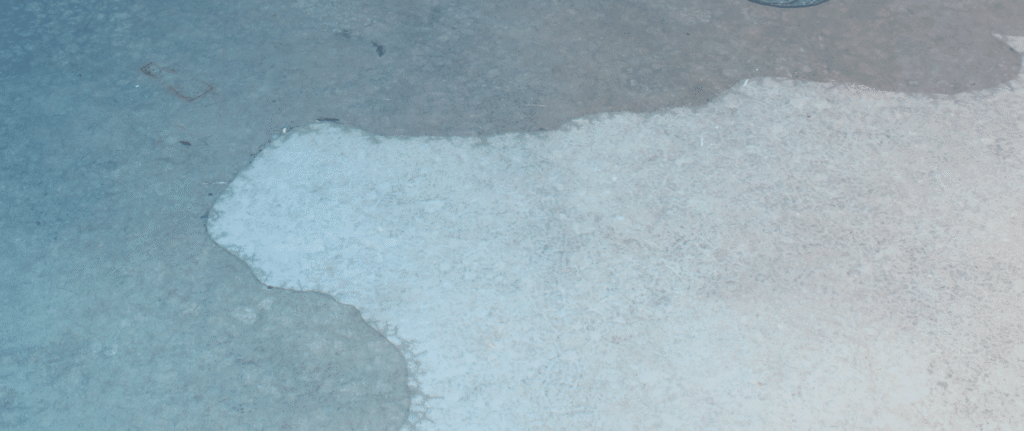

Sometimes, basements leak. When they do, it can invite mold growth and damage your walls, floor, and anything else in your basement. But, it’s possible to fix your leaky basement. Identifying the cause of the leak is the first step to fixing your leaky basement. Then, it’s important to find the right solution. Let’s take a closer look at this process.
Identify The Cause of the Leak


There are many ways that your basement can leak. Identifying where the moisture is coming from is the first step to stopping it.
Concerned about leaks? Call the Experts!
Get in touch at 1-800-782-9379 or schedule a no-cost evaluation online
Leaky Windows
If you have windows or an egress in your basement, it can be a source of leaks. The seals around the windows can weaken over time and allow moisture in, especially during heavy rain or snowmelt. If you notice wetness trailing down from your windows, or parts of your windows are soft, cracked, moldy, or drafty, it’s likely that windows are the source of the leaky.
Cracks


Some basement cracks are harmless, and others can allow moisture into your basement. Thin, hairline cracks in your basement walls or floor are common and generally harmless, but thicker cracks can be a problem. Thicker cracks, usually thicker than 1/8 inch, can be more problematic. Often, these cracks aren’t just on the surface; they go all the way through the wall, and can allow groundwater to penetrate the basement.
Hydrostatic Pressure
Hydrostatic pressure is another cause of leaky basements. When rainfall or snowmelt soaks into the ground, it can add pressure around basement walls. This pressure can force moisture through the walls or floor and cause puddles or wet spots to form. This can be a bit harder to identify. If you notice moisture in your basement around the walls or floors, especially during heavy rainfall or snowmelt, hydrostatic pressure may be the cause of your leaky basement.
Clogged Sump Pit


A sump pump and sump pit are important parts of a drainage system, which can help to prevent leaky basements. However, if your sump pit is full and your sump pump isn’t working properly, it can cause moisture to build up, and even cause basement flooding.
Clogged Drains
Drain systems, like French drains, can help to move moisture away from your basement and into the sump pit. However, these drain systems can sometimes get clogged with dirt, debris, or iron algae. If this happens, it will stop the moisture from moving into the sump pit, through the sump pump, and away from the house.
How to Fix Your Leaky Basement
Once you’ve identified where the leak is coming from, it’s important to find the right solution. Let’s take a look at a few ways to fix your leaky basement.
Repair or Replace Basement Windows


If you suspect that your windows are the issue, start by inspecting the window frames for visible damage, such as rotting wood, crumbling masonry, or cracked panes. You may be able to resolve minor leaks by resealing with high-quality exterior-grade caulk or weatherproofing tape.
If the windows are old, single-pane, or show signs of severe deterioration, replacing them with new, energy-efficient models can be a better long-term solution. Modern basement windows often come with built-in drainage channels and tighter seals that prevent water intrusion. Don’t forget to check window wells and covers; they should be clear of debris and properly installed to divert water away from the foundation.
Fill Foundation Cracks
Many small cracks are not an issue, but if you suspect larger cracks are letting moisture into your basement, consider a long-lasting, professional solution. Polyurethane crack injection can completely fill the crack, instead of simply covering the surface. While surface-level covers will eventually fall apart as moisture continues to intrude, completely filling the crack will stop future leaks.
Learn more about professional crack repair >>
Install a French Drain
A French drain is an excellent way to relieve hydrostatic pressure and redirect groundwater away from your basement. This system typically involves a trench with perforated pipe, surrounded by gravel and wrapped in a permeable fabric to keep out sediment. Water naturally flows into the pipe and is carried away from the house foundation.
Drain systems can be installed inside or outside your home. Interior systems are generally tied into a sump pump and involve removing a portion of the basement floor. Exterior French drains require digging around the home’s perimeter but can be more effective at keeping water out entirely. While installation is labor-intensive, the long-term protection they offer makes them worth the investment.
Learn more about professional drain systems >>
Clean Out Drains and Gutters
Sometimes, the solution to a wet basement is as simple as a good cleaning. Clogged gutters and downspouts can overflow and dump water next to your foundation instead of directing it safely away. Likewise, clogged foundation or floor drains can back up and cause water to pool in your basement.
Inspect and clean your gutters at least twice a year, and extend downspouts at least 6 feet away from the foundation. Foundation drains should be flushed if accessible, and any interior floor drains should be free of dirt and debris. Regular maintenance ensures your drainage system can handle heavy rainfall when it matters most.
Install a Back-Up Sump Pump
A sump pump is your basement’s last line of defense against flooding, but what happens if the power goes out or the pump fails? A back-up sump pump, usually battery-powered, provides peace of mind during storms or pump malfunctions. Battery back-up systems automatically kick in if the main pump fails or loses power, ensuring your basement stays dry when the primary system can’t keep up.
Repair the Grade Around Your Home
The slope of the soil around your home’s foundation plays a huge role in water management. If the grade slopes toward the house, rainwater and runoff will naturally flow against the foundation, increasing the risk of basement leaks. Over time, soil settles and compacts, which can flatten or even reverse the slope.
To correct this, add compacted soil or topsoil around the perimeter of your home, building up a slope of at least 6 inches over the first 10 feet. Be careful not to bury siding or block vents. Proper grading, combined with downspout extensions and clean gutters, keeps water flowing away from your home instead of into your basement.
Don’t Let a Leaky Basement Ruin Your Home
Dealing with a leaky basement can feel overwhelming, but you’re not alone, and the good news is that there are solutions. If you’re unsure where the water is coming from or how to fix it for good, don’t hesitate to call in a professional. You deserve peace of mind, and a basement that stays dry no matter the weather. Contact us today at 1-800-782-9379 or schedule a no-cost evaluation online to learn more about your options.