Skip to content

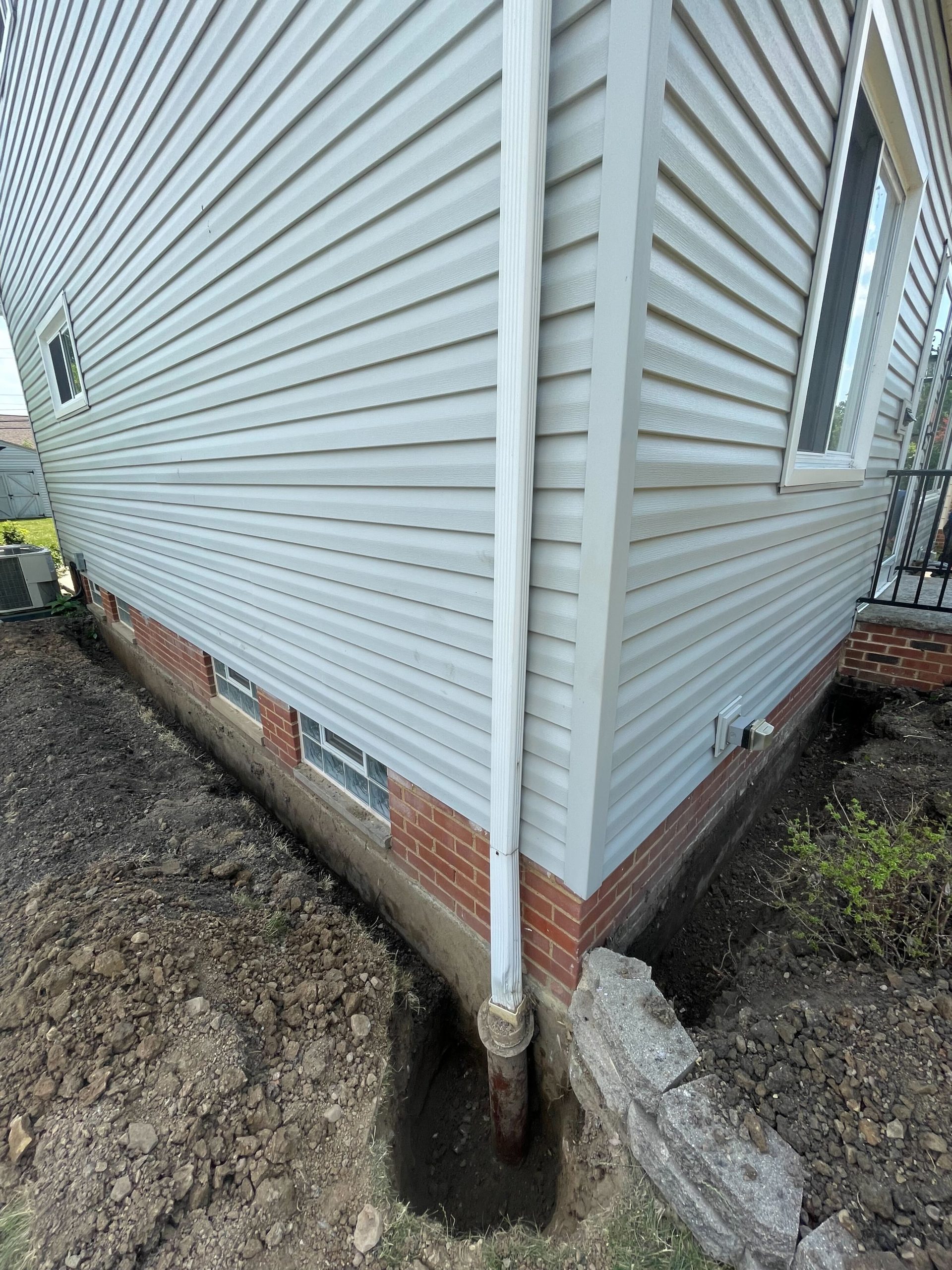 In Ohio, you’ve likely noticed the growing concern around floods and their devastating effects. The city’s approach to flood prevention is multifaceted, involving strategies like flood mapping, predictive technologies, and community education. You might wonder how effective these services are and how they impact you directly. We’re about to unpack these services, their relevance to you as a resident, and how you can take an active role in your community’s flood prevention efforts. Are you ready to dive deep into the world of flood prevention in Ohio? Stay with us – there’s much to uncover!
Key Takeaways
- Local flood prevention services conduct floodplain management and risk assessment for identifying high-risk zones.
- Predicative technologies are used by these services for early flood warnings and emergency responses.
- The services employ barriers and infrastructure reinforcement techniques to minimize potential flood damages.
- They provide residential and commercial flood protection solutions ranging from drainage systems to elevation methods.
- Local prevention services also help with flood insurance and participate in community outreach programs for flood risk education.
Understanding Flood Prevention
How can you prevent the devastating impact of floods? It’s simpler than you might think. A good start is understanding floodplain management and stormwater drainage. These two concepts play an integral role in flood prevention.
Floodplain management involves using various methods to reduce flood risks. You can’t stop a flood from happening, but you can minimize the damage. It revolves around understanding where floods are likely to occur and then taking steps to mitigate their impact.
Next, stormwater drainage. It’s a system that diverts rainwater away from your property. During heavy rain, the ground can’t absorb all the water, which can lead to flooding. A well-designed stormwater drainage system collects this excess water and redirects it away from your property.
Importance of Flood Barriers
You might wonder why flood barriers are so essential in flood prevention.
Consider this: the proper installation and regular maintenance of these barriers can drastically reduce the devastating effects of flooding.
Let’s explore how they work, how to install them, and how to keep them functioning at peak efficiency.
Understanding Flood Barriers
The power of water, often underestimated, can become a formidable foe when it breaches its boundaries. In Ohio, understanding flood barriers is essential in mitigating this risk. It’s not only about keeping the waters at bay, but also about knowing the right tools for the job.
There are numerous flood barrier types designed to suit different environments and flood intensities. Temporary barriers, like sandbags or water-filled tubes, are ideal for sudden, less severe flooding. They’re quick to deploy and can be easily stored after use.
For more persistent flood threats, permanent barriers such as flood walls and levees are typically employed.
Flood barrier materials also vary, each offering distinct advantages. Sandbags, though labor-intensive, are affordable and versatile. Metal or concrete barriers, on the other hand, are durable and provide long-lasting protection.
Modern flood barriers even employ advanced materials like flexible membranes and water-resistant fabrics.
Installation of Flood Barriers
Installing flood barriers might seem challenging, but it’s a critical step in safeguarding your property. It’s important to understand your options and choose the flood barrier types that best suit your needs.
There are several types to evaluate, including removable barriers, glass barriers, and landscape barriers. They each have their unique advantages, and understanding these can help you make an informed decision.
The installation process can vary depending on the flood barrier types. For removable barriers, the process is usually straightforward. You’ll install brackets on your doors and windows, and when a flood threat is imminent, you’ll insert the barriers into these brackets.
Glass barriers are a more permanent solution, and their installation often requires professional help due to the complexity involved.
Landscape barriers, on the other hand, involve the redesigning of your landscape to naturally divert floodwaters away from your property.
Maintenance and Efficiency
Maintaining your flood barriers plays an essential role in their efficiency. They’re not a one and done deal. You need to keep them in top shape so they can do the job they’re designed for – protecting your property from flooding.
You’ve invested in these barriers, so don’t neglect preventive maintenance. It’s not just about fixing problems when they arise, but about regularly inspecting and maintaining your barriers to guarantee they’re always ready to do their job. This could include checking for wear and tear, ensuring mechanisms are working properly, and replacing any damaged parts.
Efficiency strategies are another key aspect. This might involve optimizing the positioning of your barriers for maximum protection, or making sure they’re correctly installed to work at their best.
It’s all about getting the most out of your barriers, so they can provide the highest level of flood protection possible.
Residential Flood Protection Services
Protecting your home from potential flood damage isn’t merely a smart move, it’s an essential one. Residential flood protection services offer a wide range of flood proofing techniques to safeguard your property. These include implementing effective drainage solutions, installing reliable sump pumps, using waterproof materials, and offering flood resistant construction options.
Landscape grading plays a significant role in flood prevention. By adjusting the slope of your property, water can be directed away from your home, reducing the risk of damage.
Elevation methods, another key aspect of flood prevention, raise your home above the potential flood level, providing an extra layer of protection.
Stormwater management is also critical in flood-prone areas. It involves the use of water diversion systems to channel stormwater away from residential areas.
Additionally, flood zone mapping enables you to understand your home’s risk level, helping you make informed decisions about your flood prevention needs.
Despite the unpredictability of floods, with the right measures in place, your home can stand strong.
Commercial Flood Prevention Measures
Just as with residential properties, commercial establishments need to implement robust flood prevention measures too.
Commercial drainage solutions are a top priority. It’s crucial to guarantee that your property has a well-maintained drainage system that can handle large volumes of water during heavy rain. This could involve installing larger or more drains, maintaining gutters, and confirming that the land slopes away from your building.
Waterproofing techniques are also essential. These include sealing walls and floors, installing water-resistant doors and windows, and using water-resistant materials in construction.
Don’t overlook flood-proofing your electrical and HVAC systems too.
You should also consider property elevation strategies. This can range from physically raising the building to creating a slope or flood wall around it. It’s a significant investment, but it’s worth it in the long run.
Lastly, don’t forget about flood response training for your staff. They need to know what to do in case of a flood, from shutting off utilities to evacuating safely.
This isn’t just about protecting your property; it’s also about protecting lives. Remember, preparation is key, so start implementing these commercial flood prevention measures today.
Emergency Response and Recovery
While it’s vital to outfit your commercial property with flood prevention measures, being prepared for an emergency situation is equally important.
Disaster preparedness isn’t just about having physical barriers against floods; it also involves having a plan for when the worst occurs. You should familiarize yourself with the emergency procedures in your area, and guarantee you have a robust evacuation plan.
It’s also significant to have emergency supplies ready for immediate use. You can’t predict when a flood will strike, but you can control how prepared you are.
Recovery after a flood is just as important as the immediate response. Your business needs to bounce back quickly to minimize losses.
This is where community resilience comes into play. A strong community can provide support and resources, helping you to get your business up and running again in no time.
Flood Predictive Technology
The advent of flood predictive technology has revolutionized flood prevention services in your city. This technology lets you take proactive steps to protect your community, property, and loved ones from the devastating impacts of floods.
Two main components make this possible: flood modeling and early warning systems. Flood modeling uses data to simulate potential flood scenarios. It’s like having a crystal ball that shows you where water might flow, how fast it’ll move, and how high it might rise. With this information, you can prepare effectively.
Early warning systems, on the other hand, alert you when a flood is imminent. They monitor weather patterns and water levels, giving you the precious time needed to enact your flood prevention plan.
Here’s a quick look at these two key elements:
| Flood Predictive Technology | Function |
|---|---|
| Flood Modeling | Simulates potential flood scenarios |
| Early Warning System | Alerts the community of imminent floods |
These technologies are your first line of defense against floods. Remember, it’s always better to be safe than sorry. Stay tuned for our next topic, “Infrastructure Reinforcement Techniques”.
Infrastructure Reinforcement Techniques
Beyond early warning systems and predictive models, reinforcing infrastructure also plays a significant role in flood prevention. Without adequate drainage systems, your city can quickly become a watery mess. You need well-maintained drains to quickly channel out the heavy rainwater.
Smart urban planning goes hand-in-hand with infrastructure reinforcement. It’s not just about building structures. It’s about designing a landscape in a way that minimizes flood risks. This is where permeable surfaces come in. They allow water to infiltrate into the ground, reducing the amount of runoff that could lead to flooding.
Incorporating green infrastructure, like retention ponds, can also help manage floodwaters. They hold excess water and gradually release it, preventing sudden surges. Soil management techniques, too, can promote better water absorption, reducing the risk of floods.
Flood modeling is essential in planning these infrastructures. It helps you understand how water would flow in a flood situation. It’s not enough to have these measures in place. You need community awareness for them to be effective.
Evaluating Flood Risk Assessments
Often, you’ll find evaluating flood risk assessments to be an important step in flood prevention planning. It’s not just about understanding where water may flow during a flood, but also about determining the potential impact on your home or business.
The first tool you’ll encounter in this process is flood mapping. It’s a technique that helps visualize the areas most likely to be affected by flooding. It doesn’t just show you where the water will go, but also how deep it could potentially be. This information is vital in helping you prepare for the worst-case scenario.
Then there’s risk analysis. This involves evaluating your property’s vulnerability to flooding. It considers factors like your property’s location, its elevation, and even the type of soil it’s built on.
It’s not just about the likelihood of a flood occurring, but also about how much damage it could cause if it does occur.
Flood Insurance: An Overview
You might think your homeowner’s insurance has got you covered, but when it comes to flooding, that’s usually not the case. Understanding flood insurance types is important. Coverage limits and policy exclusions vary greatly between state regulations, federal programs like the National Flood Insurance Program (NFIP), and private insurers.
Risk assessment plays an important role in determining premium costs. The higher your property’s risk, the more you’ll likely pay. Federal programs offer coverage up to $250,000 for your dwelling and $100,000 for personal possessions. Private insurers might offer higher limits, but they’ll probably cost more.
There are also policy exclusions to keep in mind. Most flood insurance doesn’t cover damage from earth movement, even if it’s caused by a flood. So, if a flood causes a landslide that damages your home, that mightn’t be covered.
The claims process can be complicated. It requires thorough documentation of damage and loss mitigation efforts. As a result, it’s important to understand the process before a flood occurs.
Local Flood Prevention Initiatives
While securing flood insurance is essential, it’s just as important to explore local flood prevention initiatives. In our city, there are several programs aimed at reducing the risk and impact of flooding.
One crucial aspect of these initiatives is community outreach. It’s through these efforts that residents like you become aware of the risks associated with flooding and the steps you can take to protect your property.
Public awareness campaigns are also key. They inform you about the local flood prevention initiatives and how you can participate.
Here’s a quick overview of some local initiatives:
| Program Name | Focus Area | How to Participate |
|---|---|---|
| Flood Risk Education | Community Outreach | Attend workshops, seminars |
| Property Resilience Program | Home Protection | Apply for resilience grants |
| Community Cleanup Drives | Environment | Volunteer in cleanup activities |
| Flood Mitigation Projects | Infrastructure | Support local policy changes |
| Public Awareness Campaigns | Education | Share information, attend events |
Frequently Asked Questions
What Are the Costs Associated With Flood Prevention Services in Ohio?
Considering the cost breakdown of flood prevention services, it’s quite varied.
It depends on the scale of the project and the specific needs of your area. Budget considerations come into play, including funds for planning, construction, and maintenance.
Costs can range from thousands to millions. It’s important to consult with local experts for a more accurate estimate.
How Long Does It Typically Take to Install Flood Prevention Systems?
The installation timeline for flood prevention systems varies depending on its complexity and the terrain.
On average, it takes about 1-2 weeks. This timeframe guarantees the system’s efficiency is optimized.
Remember, it’s not a quick job. There’s planning, groundwork, and installation.
We’re talking trench digging, pipe laying, and equipment testing. It’s a complex process, but it’s worth the wait.
After all, you can’t rush quality, especially when it comes to protecting your property.
What Are the Maintenance Requirements for Residential and Commercial Flood Barriers?
You’ll need regular barrier inspections to confirm your residential or commercial flood barriers are always ready.
Generally, a bi-annual maintenance schedule’s recommended. It’s essential to check for physical damage, clear any debris, and verify all moving parts are lubricated.
During rainy seasons, you might need more frequent checks.
Are There Any Local Government Incentives for Implementing Flood Prevention Measures?
Yes, there are incentives for implementing flood prevention measures.
Your local government may offer grants to help offset the costs.
It’s also possible that community programs exist to support you.
These might include education about flood risks and prevention strategies, or even assistance with installation of barriers.
It’s worth reaching out to your local council to find out what’s available in your area.
They can provide the most accurate and up-to-date information.
Can I Install a Flood Prevention System Myself or Do I Need Professional Help?
You can certainly install a DIY flood prevention system, but professional assistance is often recommended.
The complexity of the system, your area’s flood risk, and your level of expertise are key factors. Safety considerations and proper equipment selection are also essential.
Conclusion
You’ve got the power to help minimize flood risks in Ohio. By understanding flood prevention, investing in residential and commercial protective measures, and participating in local initiatives, you’re making a difference. Don’t forget to contemplate flood insurance and familiarize yourself with emergency response plans. Remember, your efforts in flood risk assessments and infrastructure reinforcements contribute to our community’s resilience. Together, we can weather any storm that comes our way.