 Skip to content
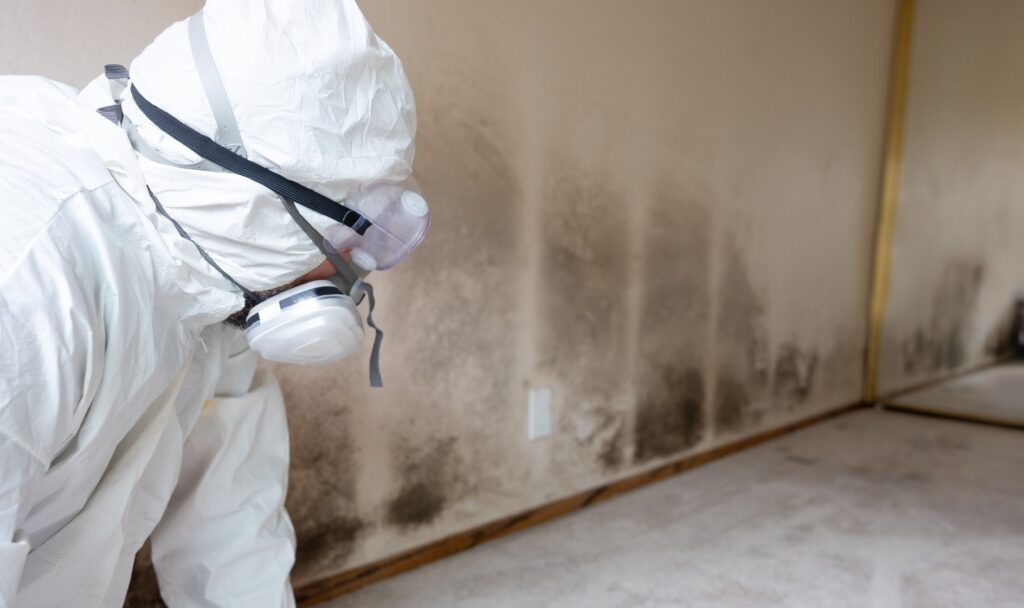

Mold and mildew are common problems in many homes, but they can also be problematic. While mold may seem like just a cosmetic problem or a musty inconvenience, it can pose real health risks and cause lasting damage to your home. Here’s what you need to know about mold in Michigan basements and how to keep it from becoming a serious issue.
What is Mold?
Mold is a living thing. It’s in the fungus family, though it doesn’t look like a lot of the fungi that we normally think of. There are many types of mold and its appearance varies a lot between different types. It can be white, black, gray, yellow, orange, blue or green. The texture of mold can also vary between smooth and fluffy, hairy, or cracked. Though its appearance can vary, mold is usually distinctive in appearance and it’s generally easily recognizable.
Mold reproduces through spores, which are similar to seeds in many ways. These spores aren’t visible to the naked eye, however, and they’re easy to inhale. This is often where the negative health effects of mold come from.
Worried about mold in your basement?
Call 1-800-782-9379 or schedule a no-cost assessment online today
The Health Effects of Mold


Mold spores are microscopic and can become airborne, making it easy to inhale them without realizing it. For many people, this can lead to mild but irritating symptoms that are often similar to a cold, such as sneezing, runny nose, and coughing.
Children, the elderly, people with respiratory conditions like asthma or COPD, and individuals with weakened immune systems (including those undergoing cancer treatments or with autoimmune diseases) are most vulnerable to mold-related health problems. For these people, mold exposure can make it difficult to breathe, worsen fatigue, or worsen the symptoms of existing conditions.
Common Symptoms of Mold Exposure:
- Sneezing or runny nose
- Coughing or wheezing
- Itchy eyes or skin irritation
- Shortness of breath
- Chronic sinus infections
- Fatigue or headaches
How and Where Mold Forms


Mold thrives in damp, dark, and poorly ventilated environments. This makes basements, bathrooms, attics, and any area with water damage particularly vulnerable to mold growth. In Michigan, where snowmelt, rain, and humidity are all part of life, these conditions are very common.
Most Common Places for Mold to Grow:
- Basements: Especially those with water intrusion, condensation, or poor ventilation
- Bathrooms: High humidity, steamy showers, and limited airflow create a perfect mold environment
- Attics: Poor insulation and roof leaks can create moisture buildup
- Around leaky windows or ceilings: Even small leaks can lead to mold if left unchecked
Mold grows on organic matter, which can include wood, paper, food, and more. This can also include the paper in drywall, which is how mold can grow on walls, or wood ceiling beams or counters, for example. Mold can start growing within 24 to 48 hours of moisture exposure. If that moisture isn’t addressed, the problem can quickly expand and get out of hand.
How to Get Rid of Mold in Michigan Basements
If you notice mold growth or you smell mold, it’s important to address the issue as soon as possible. The right approach to get rid of mold depends on how widespread the mold is and how deep it has penetrated into surfaces. In some cases, you can take care of mold yourself with some basic cleaning. In other cases, the mold can be dangerous to address on your own, and it’s time to call an expert. Let’s take a closer look.
1. Basic Cleaning for Small Areas
If mold is limited to a small area and doesn’t appear to be very thick or dense, you can usually remove it using some basic cleaning. This process will work better for non-porous surfaces, like tile or metal, and won’t be as effective for porous surfaces, like cloth, drywall, or wood.
To remove the mold, fill a bucket with a mixture of household bleach (do not use pool bleach) and water. Use one cup of bleach for every gallon of water. When you’re cleaning the surface with the bleach mixture, cover your nose and mouth with a cloth or mask so you can avoid breathing in mold spores and bleach fumes. Open windows or use fans to make sure the area is as well ventilated as possible. Using a sponge or rag, clean off the mold with the bleach mixture.
Scrub the area, and make sure it’s able to completely dry afterwards. If the area can’t dry, the mold will return.
Basic cleaning won’t address serious persistent mold problems in the basement
Get in touch with the experts at 1-800-782-9379 or schedule a no-cost assessment online
2. Cleaning and Repainting for Moderate Mold
If the mold is more extensive or it’s growing on painted walls or wood surfaces, cleaning followed by mold-resistant paint or sealant may help prevent regrowth. Use the same cleaning method as previously mentioned, and repeat it, if necessary. Once you’ve cleaned away the mold and the area is dry, it can be helpful to repaint the area with a mold-resistant paint. Since the mold can grow deeper into porous surfaces, it’s also helpful to sand the area before painting.
3. Professional Mold Remediation
When mold has spread across large areas, it’s embedded in porous materials, or returns repeatedly after cleaning, it’s time to call in the professionals. Mold remediation specialists have better equipment to remove the mold and stop it from coming back.
Mold remediation experts will:
- Identify the source of moisture
- Remove or treat affected materials (including drywall or insulation)
- Use HEPA filters and air scrubbers
- Apply professional-grade fungicides
Professional remediation not only removes the mold but also ensures it doesn’t return.
How to Prevent Mold Growth in the First Place
The best defense against mold is preventing moisture from accumulating in your home. Depending on which area is affected or what type of moisture intrusion you’re dealing with, the following methods can help you prevent mold growth in the first place.
Basement Waterproofing
A dry basement is your first line of defense. Waterproofing systems like interior drain tiles, sump pumps, and vapor barriers can stop water before it becomes a problem.
Use Dehumidifiers
Especially in humid months, running a dehumidifier in the basement or other damp areas can keep humidity below the mold-friendly 60% threshold.
Fix Leaks Quickly
Leaks in roofs, ceilings, and around windows can allow water to seep in undetected. Address leaks as soon as you notice them to prevent mold from forming behind walls or under floors.
Ventilate Bathrooms and Kitchens
Always use fans or vents when showering or cooking. These areas create a lot of steam, which can settle into walls and ceilings if not properly vented.
Seal and Maintain Windows
Old or poorly sealed windows can allow water to leak in during heavy rain. Check window wells and seals regularly and fix any cracks or gaps.
Improve the Grade Around Your Home
Make sure the soil slopes away from your foundation to direct rainwater and melting snow away from your basement. Poor grading can lead to pooling water and seepage through foundation walls.
Keep Your Home Healthy and Mold-Free
Mold and mildew don’t just cause unpleasant smells or stains, they can compromise your home’s structure and your family’s health. The good news? With the right preventive steps and a little vigilance, mold is a problem you can avoid.
If you’ve seen signs of mold in your basement or other areas of your home, or if you suspect water may be entering your home unseen, give us a call at 1-800-782-9379 or schedule a no-cost assessment online today. We’ll assess your basement for mold using professional tools and give you clear options for stopping the mold.







