Skip to content
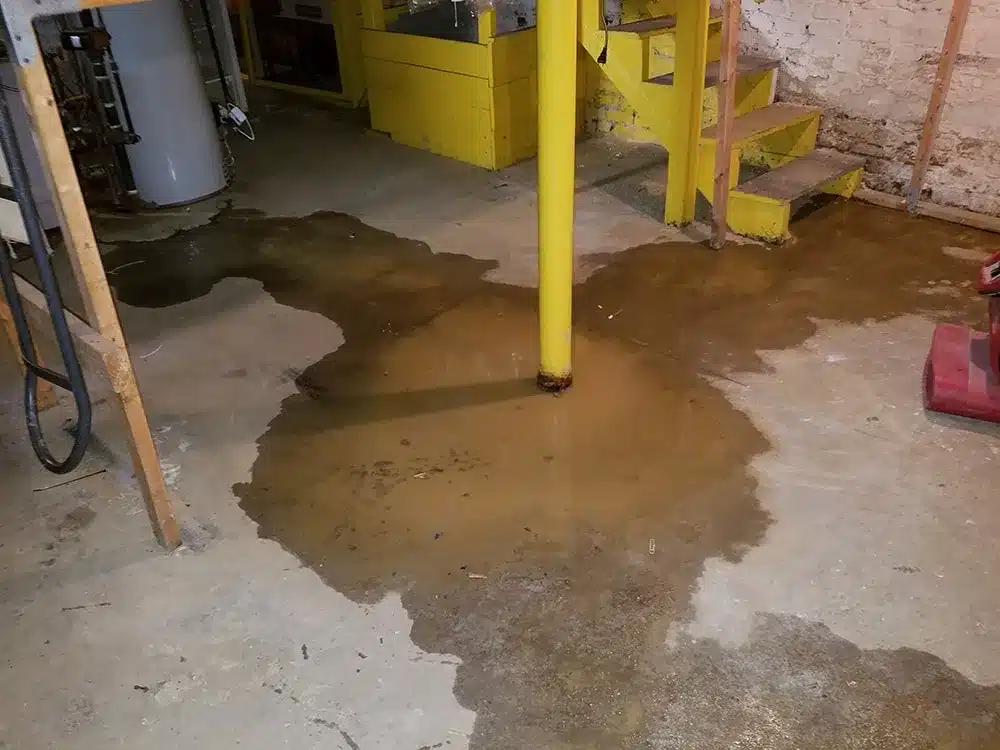
So you’ve noticed some unusual signs in your basement – perhaps an unexplained dampness, a musty odor, or even some water stains on the walls. These could be red flags that your basement needs waterproofing immediately. Ignoring these warnings might not only worsen the condition of your basement but also pose serious health risks due to mold and mildew growth. And what about the integrity of your home? Cracks and bowing in the walls are signs of structural damage that can’t be overlooked. Curious to know more about these signs and how to address them? Let’s explore.
Recognizing Water Stains
Spotting water stains is your first line of defense in identifying a potential waterproofing issue in your basement. These unsightly marks are more than just an aesthetic concern; they’re a warning sign that water’s finding its way into areas it shouldn’t. Ignoring them could lead to severe structural damage down the line.
Water stains typically appear as unsightly brown or yellowish marks on walls, floors, or ceilings. They’re often irregular in shape, and their size can vary greatly. Don’t underestimate small stains; they can indicate a leakage problem just as large ones can.
Check regularly for signs of staining, especially after periods of heavy rain or snow. Examine every nook and cranny, not just visible areas. Use a flashlight if needed, ensuring you don’t miss any potential problem areas.
If you find water stains, don’t panic. It doesn’t necessarily mean you’re dealing with a major problem. But it does mean you need to take action. Identify the source of the water intrusion, if possible, and consider calling a professional for further assessment.
Spotting Mold and Mildew
Now, let’s turn our attention to spotting mold and mildew in your basement.
Knowing how to identify the presence of mold and understanding mildew infestation are essential skills for maintaining a healthy living environment.
We’ll also discuss the potential health risks associated with these harmful organisms.
Identifying Mold Presence
Your basement’s dark, moist environment can become a breeding ground for mold and mildew if not properly maintained. One of the most common signs your basement needs waterproofing is the presence of mold. But how do you identify it?
Mold usually takes the form of black, green, or white specks scattered on surfaces. It’s typically fuzzy or slimy in feel. Sometimes, it mightn’t be visible, hiding behind walls or underneath carpets, but you’ll still be able to smell it.
Mold has a distinctive musty, damp odor that’s hard to miss. Don’t ignore these signs. Mold exposure can lead to health issues such as allergies, asthma, and other respiratory problems.
Use a flashlight to inspect corners, ceilings, and hidden areas. Pay special attention to any spots that are constantly wet.
If you spot or smell mold, it’s time to act. Waterproofing your basement can help control the moisture level, preventing mold growth. Remember, ignoring mold won’t make it go away.
It’s a clear sign you need to waterproof your basement, and the sooner you act, the better.
Understanding Mildew Infestation
While mold is a clear indicator of moisture issues, mildew infestation is another sign that shouldn’t be overlooked. Mildew, like mold, thrives in damp environments, making your basement a potential breeding ground if it’s not waterproofed properly.
Mildew is commonly found on organic materials such as wood, paper, and leather. These materials are often stored in basements, providing an ideal situation for mildew to flourish.
You’ll initially notice mildew as a thin, white or greyish patch on surfaces, which can darken to green or black over time. Unlike mold, it’s less invasive and tends to remain on the surface of materials.
You can test for mildew by dabbing a small amount of household bleach onto the suspect area. If it lightens after a minute or two, you’re dealing with mildew. However, if the spot remains dark, it’s probably dirt or grime.
Health Risks Involved
Exposure to mold and mildew in your basement can pose significant health risks. These fungi produce allergens, irritants, and, in some cases, toxic substances known as mycotoxins. When you inhale these, you may experience allergic reactions like sneezing, runny nose, red eyes, and skin rashes.
If you’ve asthma or other respiratory conditions, they can worsen due to mold exposure. Moreover, prolonged exposure to these fungi can lead to serious health issues such as chronic lung illnesses or infections. Hidden mold and mildew in your basement might be the culprit behind that persistent cough or frequent bouts of sinusitis you’ve been experiencing.
If you’ve noticed a musty smell or visible signs of mold in your basement, don’t ignore it. It’s not just a cosmetic issue; it’s a potential health hazard.
Unusual Basement Smells
You may not realise it, but unusual smells in your basement can be a telling sign of water issues.
A musty odor, often an indicator of mold or mildew resulting from damp conditions, is one common scent you shouldn’t ignore.
Identifying these mold-related smells promptly can be your first line of defense in basement waterproofing.
Identifying Musty Odors
Almost every homeowner has experienced it at some point: that distinctive musty smell wafting up from the basement. This scent isn’t just unpleasant; it can be an important warning sign. If you’re detecting a musty, earthy odor, it’s time to pay attention.
Such an odor is typically indicative of excess moisture in your basement. When your basement retains moisture, it creates the perfect environment for a variety of issues, including the growth of mildew and bacteria. These organisms release gases as they grow and multiply, which are the source of that characteristic musty smell.
If you’re noticing this scent, don’t ignore it. Check for visible signs of dampness such as wet spots or condensation on walls, floors, or windows. See if your basement feels unusually humid. If you can confirm the presence of excess moisture, you should take immediate action.
Ignoring a musty smell might lead to more severe problems down the line like structural damage or health issues.
Mold-Related Basement Smells
Beyond the typical musty smell, a different kind of odor can signal trouble in your basement: a moldy, damp, or even rotten smell. This distinct odor isn’t something to ignore. It’s a red flag, indicating that you’ve got a serious moisture problem on your hands. You shouldn’t dismiss it as just an unpleasant aroma; it’s a sign your basement needs immediate waterproofing.
Mold thrives in moist environments and your damp basement is its perfect breeding ground. If you’re catching whiffs of a mildew-like or rotting smell, it’s likely that mold is growing somewhere unseen, perhaps behind your walls or under your floorboards. Not only does this damage your basement’s structural integrity, it also poses a risk to your health.
Addressing the issue promptly is critical. Mold can cause respiratory problems and trigger allergies. Remember, it’s not just about eradicating the smell; you’ve got to eliminate the source of the problem, the moisture.
Waterproofing is your best defense and remedy. It prevents future mold growth, protects your home, and guarantees a healthier living environment. Don’t wait for the problem to escalate. If your basement smells like mold, it’s time to waterproof immediately.
Cracking or Efflorescence
Have you noticed white, powdery deposits on your basement walls or floors? This is known as efflorescence, a common sign that your basement requires immediate waterproofing. Efflorescence occurs when water seeps through concrete, brick, or stone, bringing salt to the surface. While it’s not harmful to your health, it’s a clear indicator of moisture intrusion.
Furthermore, you can’t overlook visible cracks. Cracks can appear due to a variety of reasons, but when they’re in your basement, it’s often a sign of a more significant issue. These cracks may start small, but they provide an easy pathway for water to enter your home.
Over time, they’ll grow larger and create more serious structural issues.
Now, you might think a small crack or a bit of white powder isn’t a big deal. However, these are typically early warning signs of potential water damage. Ignoring them can lead to costly repairs in the future.
Chronic Dampness Issues
While efflorescence and cracking are prominent signs, don’t overlook the simple, telltale symptom of chronic dampness in your basement. This persistent humidity is more than just a minor nuisance; it’s a clear indication that water is infiltrating your basement’s defenses, compromising its structural integrity.
You may notice a musty, dank smell, or see water stains spreading across surfaces. Dampness can also manifest as condensation on your basement windows or walls. These signs shouldn’t be ignored. Chronic dampness can lead to mold growth, which poses significant health risks, including respiratory issues and allergic reactions.
Furthermore, excess moisture can cause your basement’s materials to deteriorate over time, leading to costly repairs.
Addressing chronic dampness requires a strategic approach. First, identify the source of the water. It could be a leaky pipe, poor drainage, or groundwater seeping in.
Once you’ve pinpointed the issue, it’s time to take action. A professional waterproofing solution may entail the installation of a sump pump, a dehumidifier, or a full-scale basement waterproofing system.
Don’t let chronic dampness ruin your basement. Recognize the signs, seek expert advice, and take proactive measures to protect your home’s foundation.
Bowed or Buckling Walls

Ever noticed your basement walls starting to curve or buckle inwards? This is a serious red flag that your basement needs immediate waterproofing.
Bowed or buckling walls can be caused by prolonged exposure to water, which weakens your home’s structural integrity and results in a dangerous living condition.
As water saturates the soil around your home, hydrostatic pressure builds up. This pressure pushes against your basement walls, leading to cracking, bowing, or buckling.
You’ll first notice horizontal or stair-step cracks. If left unchecked, these small cracks can evolve into noticeable bowing or buckling.
You shouldn’t ignore this issue, however minor it may seem. Over time, it can lead to significant structural damage, making your home unsafe to live in.
Additionally, bowed or buckling walls can also create a conducive environment for mold and mildew growth, posing health risks to you and your family.
If you notice any of these signs, it’s high time to call a professional waterproofing company. They’ll assess the situation, identify the root cause, and recommend the most effective solution.
Frequent Flooding Events
Another significant sign of needing basement waterproofing is dealing with frequent flooding events. If you’re constantly battling water in your basement after a heavy rainfall or snowmelt, it’s a clear indication that your basement’s current water protection is inadequate.
Frequent flooding can lead to a multitude of problems. It’s not just about dealing with the immediate inconvenience of water removal. Over time, repeated flooding can cause serious structural damage to your home, compromise its integrity and lower its value.
It can also lead to the growth of mold and mildew, which can cause health issues for you and your family.
The source of the flooding can be due to several factors. It could be because of a high water table, poor yard drainage, cracked or porous walls, or a failing sump pump.
Whatever the cause, it’s important to address the situation promptly. Waterproofing your basement isn’t just about preventing water ingress, it’s also about ensuring your home remains safe, healthy and structurally sound.
Don’t wait until the next flood, act now. You’ll save yourself time, money, and headaches in the long run.
You’ve noticed brown water stains on your walls, a musty smell, or even mold growth – these are all signs your basement needs immediate waterproofing. Remember, John’s case? His delayed response led to costly structural repairs. Don’t let this happen to you. Address these issues swiftly to protect your home and health. Waterproofing your basement isn’t just about maintaining aesthetics, it’s about safeguarding your home’s integrity.