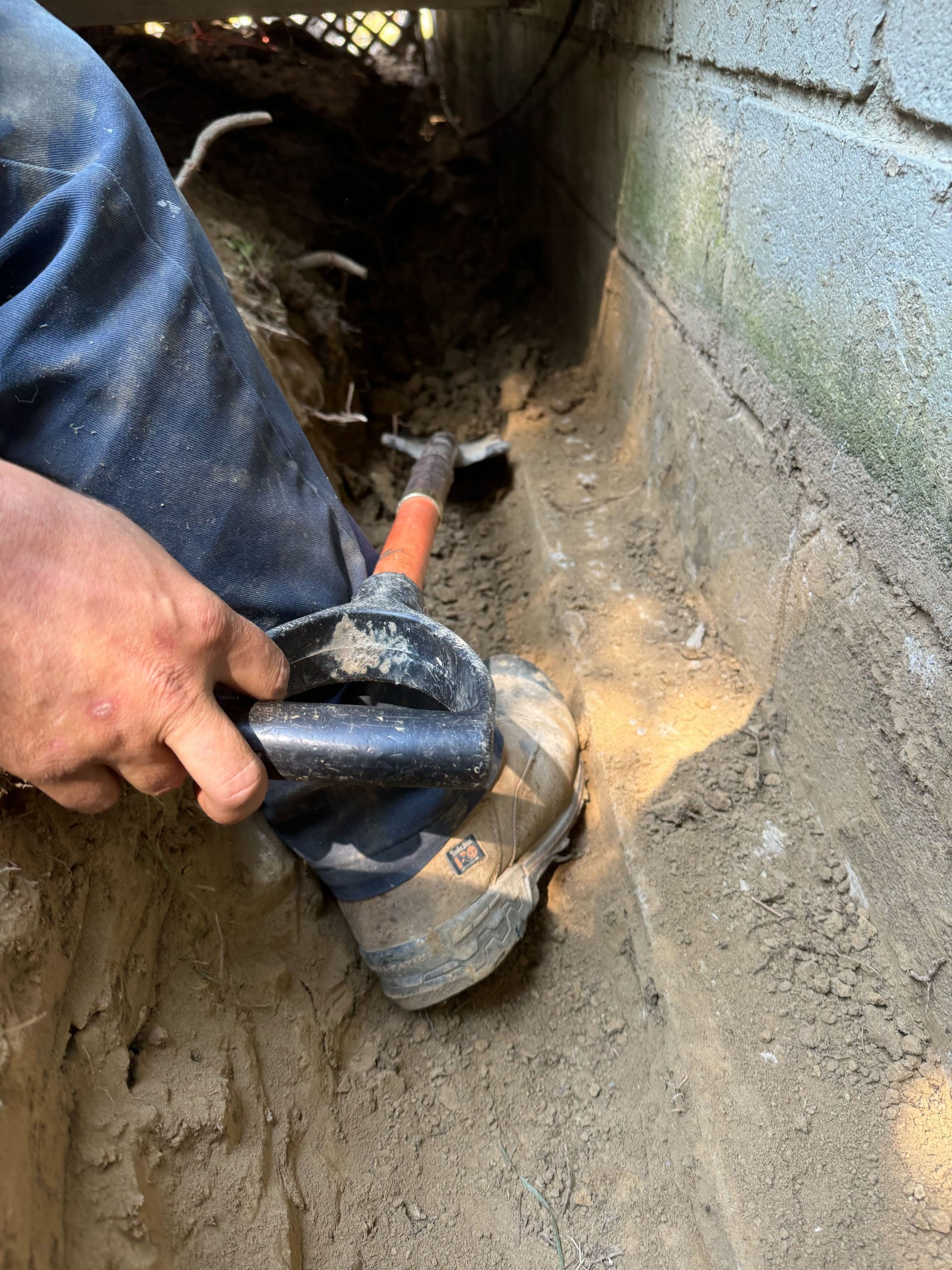
 You’ve likely heard the saying, “local is best,” but have you ever considered how this applies to your basement contractors? Their intimate knowledge of the local soil is paramount in creating a basement that’s not only structurally sound, but also resistant to the harsh elements your local environment can throw at it. They’re the experts in manipulating the unique soil conditions, optimizing moisture control, and managing erosion. Just imagine the peace of mind you’d have knowing your basement’s foundations are in the hands of someone with such specialized knowledge. But, why is this local knowledge so crucial? Let’s explore.
Key Takeaways
- Local contractors have in-depth knowledge of regional soil types, crucial for assessing foundation stability in basement construction.
- They are experienced in soil testing techniques, determining essential properties like moisture content, compaction, and organic matter levels.
- Their expertise in local terrain characteristics allows for accurate site assessments and effective adaptation of construction methods.
- Familiarity with local zoning regulations and soil behavior ensures compliance with building codes and enhances construction practices.
- Hiring local contractors builds community trust and reduces risks of future complications due to their ability to anticipate and manage soil-related issues.
Understanding Soil Types
In the realm of basement construction, understanding soil types is crucial. You’d think it’s all about bricks and cement, but the foundation’s integrity is primarily determined by the soil supporting it. Soil properties, such as texture, consistency, and bearing capacity, are vital to consider when constructing a basement.
The first step is soil testing. It’s not as simple as grabbing a handful and making a judgement call. It’s a precise, scientific process that determines the soil’s properties – its particle sizes, mineral content, and moisture levels.
It’s also essential to note the soil’s resilience to environmental factors such as water, temperature, and pressure changes.
Then there’s the issue of load-bearing capacity. If your soil can’t support the weight of your planned construction, you’re in for a world of trouble. This is where soil types come into play.
Sand, clay, and loam each have unique properties that affect their load-bearing capacities. Sandy soil, for example, drains well but lacks cohesion, making it less stable. Clay, on the other hand, retains water and can cause issues if it swells or shrinks dramatically.
You need to know your soil before you dig your basement. It’s that simple.
Local Soil Variations
Local soil variations pose significant challenges and opportunities when constructing a basement. Soil composition differs greatly, even within a small geographical area. This leads to a variety of soil moisture levels, drainage patterns, and compaction rates.
Understanding soil moisture is critical as it influences the basement’s structural stability. Too much moisture could lead to instability, while too little might cause soil compaction, leading to cracks in the foundation.
Drainage patterns also vary depending on the soil composition – sandy soil drains faster than clay soil, affecting how you’d manage water around your basement.
Organic matter in the soil is another important factor, as it affects both the soil’s capacity to hold water and its susceptibility to erosion. Erosion control becomes vital in areas with high organic matter content since it can lead to soil instability.
To handle these variations, soil testing is recommended. This includes tests for moisture content, compaction, and organic matter levels.
Understanding groundwater levels and seasonal fluctuations is also critical. They can affect the basement’s depth, the type of waterproofing required, and the overall construction plan.
Soil’s Impact on Construction
You’ll find that understanding soil composition is fundamental in construction, particularly when laying building foundations.
The soil’s physical properties, such as density and porosity, can greatly affect the stability and durability of structures.
Hence, it’s crucial that you comprehend these factors thoroughly to ensure successful construction projects and avoid costly repairs or structural failures.
Understanding Soil Composition
Beneath the surface layers of your property lies a world of complex soil composition that significantly impacts construction processes. This subterranean landscape isn’t just dirt; it’s a mix of solids, liquids, and gases, with properties that can be a game-changer for any construction project.
Soil composition typically includes sand, silt, and clay. The ratio of these components can vary greatly, influencing the soil’s properties and behavior under different conditions. Sand, for instance, is coarse and drains quickly, while clay is fine-grained and retains water. Silt, a middle-ground between sand and clay, also has unique characteristics.
Soil properties directly impact the stability, strength, and durability of your construction project. Therefore, understanding these properties is critical.
Soil testing, a common practice among local basement contractors, is a way to determine these properties. This process involves examining the soil for its texture, structure, density, porosity, and moisture content.
Effects on Building Foundations
Grasping the impact of soil on building foundations is key to creating a stable, long-lasting structure. The type and condition of soil significantly affect foundation stability. Soils with good load bearing capacities, such as gravel and sand, reduce settlement issues, making your foundation more robust.
Soil drainage is another critical factor. Poorly draining soils can increase moisture levels around your foundation, leading to potential damage and necessitating costly foundation repair. Similarly, groundwater impact can’t be overlooked. A high water table can increase hydrostatic pressure on your foundation, causing cracks and leaks.
Frost depth is another concern. It’s the maximum depth where groundwater in the soil is expected to freeze. If your foundation doesn’t extend beyond the frost depth, you’re likely to encounter frost heave, causing your foundation to shift and crack.
Soil erosion and soil compaction also play vital roles. Erosion can wash away the soil supporting your foundation, while soil compaction affects the soil’s ability to bear load. Both can lead to significant structural issues.
Local Contractors’ Soil Knowledge
It’s no secret that a strong understanding of soil science is essential for any local basement contractor. They must grasp soil testing techniques, comprehend the impact of climate effects on soil, and appreciate the risks of erosion. Their knowledge drives foundation stability, influences drainage solutions, and ensures effective moisture control.
Here’s a snapshot of their expertise:
| Soil Knowledge | Application |
|---|---|
| Foundation Stability | Ensures structures are built on solid ground |
| Drainage Solutions | Prevents water accumulation and potential damage |
| Moisture Control | Keeps basements dry and mold-free |
| Erosion Risks | Protects the foundation and landscaping |
| Compaction Techniques | Enhances soil stability before construction |
Local contractors also have to be clued up on construction regulations, aware of the best excavation methods, and considerate of landscaping. These factors, coupled with their knowledge of the local climate and soil conditions, enable them to provide the best solutions for every scenario. It’s a complex blend of science, regulation, and local knowledge which sets them apart. So, when you’re looking at basement construction, don’t underestimate the value of a contractor who really knows their soil. Their expertise could be the difference between a solid foundation and a shaky future.
Leveraging Local Expertise
You’ll find that understanding regional soil types is critical in the basement construction industry.
This is where leveraging local expertise comes into play, as local contractors have a unique advantage with their in-depth knowledge of local soil conditions.
The importance of site-specific expertise can’t be overstated; it’s a crucial factor in ensuring the longevity and safety of your basement structure.
Understanding Regional Soil Types
Navigating the complexities of regional soil types can be a daunting task. Understanding the makeup and characteristics of the soil where you plan to build is crucial. Factors such as soil moisture, drainage patterns, and compaction techniques all play a role in determining the stability of the soil and the suitability for construction.
Soil moisture, influenced by seasonal changes and temperature variations, greatly affects soil stability. Too much moisture can render soil unsuitable for construction due to poor compaction and drainage. On the other hand, too little moisture can lead to soil erosion.
Drainage patterns, determined by factors like rock formations and vegetation influence, are another critical aspect of soil stability. Good drainage helps maintain proper soil moisture levels, while poor drainage can lead to oversaturation and instability.
Compaction techniques can help improve soil stability. However, these techniques must be tailored to the specific soil type and conditions, factoring in elements like groundwater levels and erosion factors.
Local Knowledge Advantage
Harnessing the expertise of local basement contractors offers distinct advantages when dealing with regional soil complexities. They’ve got the upper hand when it comes to understanding the unique characteristics of local soil, including its moisture levels and composition.
Balancing soil moisture is a critical factor in basement construction. Too much moisture can lead to structural instability, while too little can cause the soil to compact and create pressure against the basement walls. Local contractors have the practical experience to gauge soil moisture accurately and adjust their construction strategies accordingly.
They’re also proficient in the most effective excavation techniques for local soil types. They understand how the soil reacts under different weather conditions and can anticipate potential issues before they become costly problems.
For instance, they may know that a particular type of soil requires a slower, more methodical excavation process to prevent collapse, or that another type is more prone to shifting and needs additional reinforcement during construction.
This local knowledge advantage shouldn’t be underestimated. It enables these professionals to deliver more reliable, long-lasting results, reducing the risk of future repairs or complications.
It’s one of the key reasons why local basement contractors truly know the soil best.
Importance of Site-Specific Expertise
A significant aspect of basement construction is the leveraging of local expertise, primarily due to the site-specific knowledge these professionals bring to the table.
These experts comprehend the unique characteristics of the local terrain, which is crucial to ensure foundation stability and efficient moisture control.
Here are 4 reasons why it’s vital to leverage local expertise:
- Site Assessment: Local contractors can perform an accurate site assessment, taking into account all the landscape considerations and zoning regulations. This informs the most suitable excavation methods and construction techniques.
- Soil Testing: They’re skilled in soil testing, which is vital to understand the soil composition and erosion prevention strategies.
- Drainage Solutions: Their understanding of the local terrain helps them design optimal drainage solutions, which is key to preventing potential water damage and maintaining the structural integrity of the basement.
- Consideration of Local Regulations: Local contractors are well-versed with the area’s zoning regulations, ensuring that your basement construction adheres to all local bylaws and ordinances.
In essence, local contractors have a nuanced understanding of the ground beneath your feet – the soil, its tendencies, and how best to build within it.
Their knowledge is invaluable in ensuring a sturdy, dry, and legally compliant basement.
Case Study: Successful Basement Builds
In the realm of basement contracting, numerous challenges can present themselves. Among these are design considerations, material selection, and regulatory compliance.
However, local contractors, well-versed in understanding the unique environmental factors of the area, bring innovative techniques to the table that ensure foundation stability.
Let’s look at a case where project challenges were turned into successful outcomes. A local basement contractor was tasked with building a basement in clay-heavy soil. This presented a unique challenge due to the soil’s high expansion rate. By employing best practices in material selection, such as using a specially formulated concrete resistant to expansion, the contractor was able to successfully build a stable base.
Contractor testimonials reveal how a deep knowledge of local soil types allows for better anticipation and mitigation of potential issues. Client experiences, too, highlight the trust engendered by these local experts. One homeowner remarked, “They knew exactly how to handle our soil issues, something a non-local contractor wouldn’t have understood.”
Regulatory compliance is another area where local contractors excel, as they’re up-to-date with local building codes and environmental regulations.
This mastery of local conditions and regulations, combined with innovative approaches, ensures successful basement builds.
Frequently Asked Questions
What Are the Costs Involved in Hiring a Local Basement Contractor?
When you’re budgeting for a basement project, you’ll likely face several costs.
The contractor’s fees might include labor, materials, and sometimes, design services. They’ll evaluate your basement, determine what needs to be done, and provide an estimate.
Additionally, there may be unexpected expenses like addressing structural issues or dealing with water damage.
How Long Does It Typically Take to Construct a Basement?
Your basement construction timeline can vary, but typically, it’s a process of a few weeks.
Excavation duration is generally a week, depending on soil conditions. After that, you’re looking at another week for footings and foundation.
Framing, insulation, and drywall follow, each taking a few days to a week. Plumbing and electrical work fit in around these stages.
What Are the Potential Problems if Soil Conditions Are Not Correctly Assessed?
If you don’t assess soil conditions correctly, you’re risking soil instability, leading to structural damage over time.
For instance, your basement could shift or even collapse. Inadequate evaluations may also overlook potential drainage issues, causing unwanted moisture retention.
This can lead to mold growth, compromising both your health and the integrity of your home.
Therefore, understanding your soil’s characteristics is crucial for a safe and long-lasting basement.
Does a Basement Add Value to My Property?
Yes, a basement can significantly increase your property’s value.
Adding a basement creates additional living or storage space, enhancing your home’s functionality. It’s an investment that can potentially offer high returns, especially if you’re considering selling.
However, the value added depends on the quality of the basement’s construction and design. Thus, it’s crucial to ensure its proper construction, taking into account factors like moisture control and insulation.
What Is the Process of Obtaining Necessary Construction Permits for a Basement?
To obtain necessary construction permits for your basement, you’ll first need to submit a detailed permit application to your local building department.
This should include your construction plans, which must comply with local construction regulations. They’ll review your application and either approve it or request changes.
It’s critical to understand the specific requirements in your area to avoid delays or fines.
Local basement contractors can be helpful in navigating this process.
Conclusion
You’ve seen how local basement contractors’ intimate knowledge of soil types and environmental factors can impact construction outcomes. They’re experts in managing moisture and erosion, tailoring techniques to local conditions, resulting in strong, durable structures. It’s clear that their localized expertise is invaluable. Next time you’re planning a basement build, remember, nobody knows your soil better than your local contractor. So, invest in local expertise, it’ll pay off in the long run.